Can I Use Salted Butter Instead Of Unsalted

Butter is one of the most popular and essential ingredients in kitchens all around the world. Whether you are a seasoned home cook or someone who is just learning their way ar...

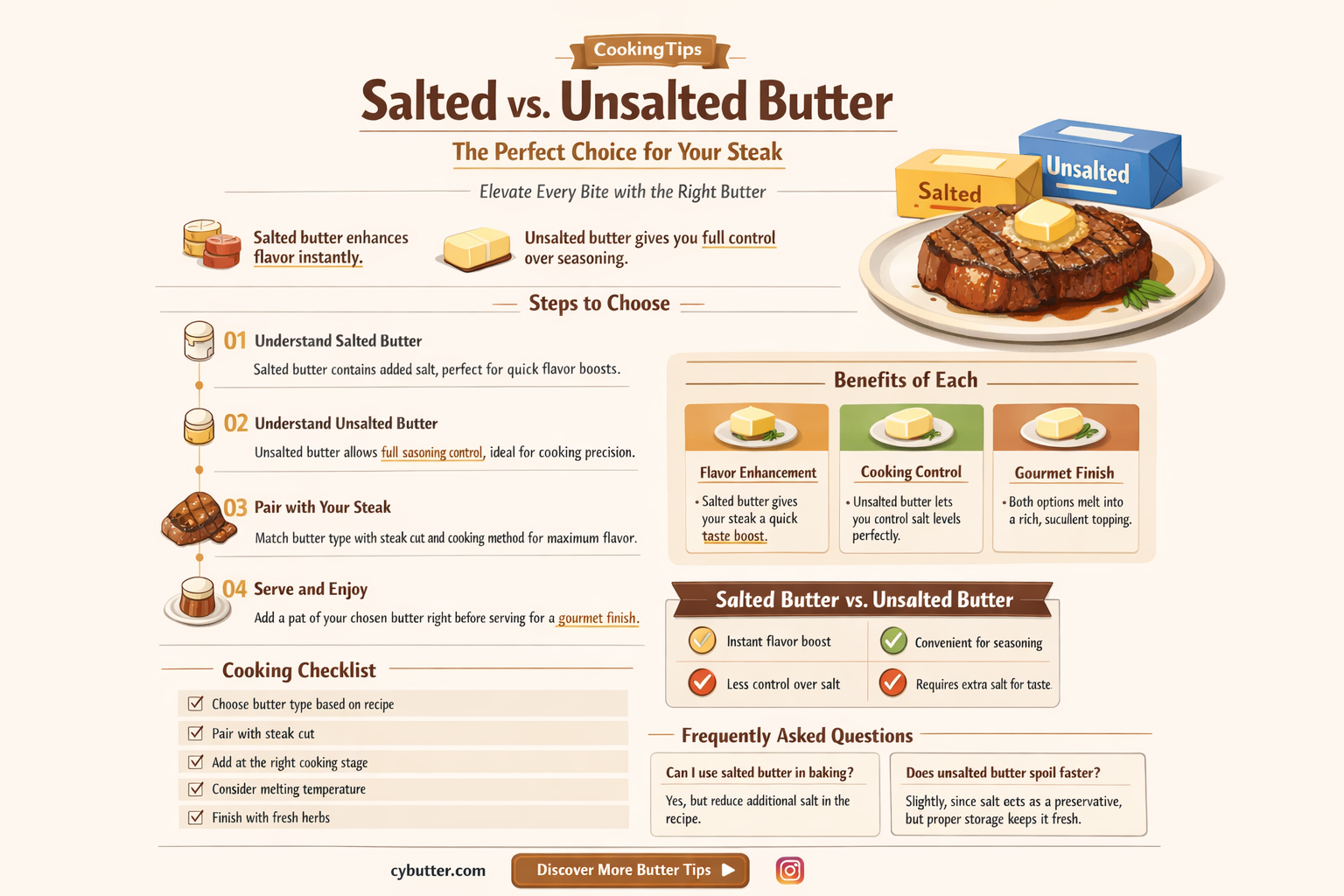
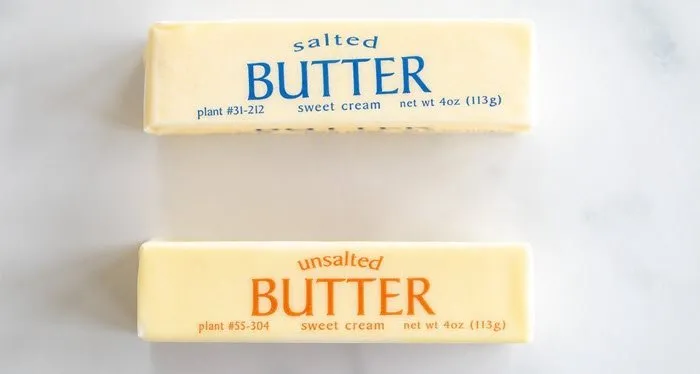
Butter is one of the most popular and essential ingredients in kitchens all around the world. Whether you are a seasoned home cook or someone who is just learning their way around the stove, you have probably encountered recipes that call for unsalted butter. However, not everyone keeps both types of butter in their fridge, and this raises a very common question: Can I use salted butter instead of unsalted? The short answer is yes, but there are a few things worth understanding before you make the swap.
The reason this question matters so much is that butter plays a critical role in how food tastes and turns out. Recipes are carefully balanced, and salt is no exception. Unsalted butter gives bakers and chefs full control over how much salt goes into a dish, while salted butter already contains a measured amount of sodium. For individuals trying to manage their salt intake, for families cooking for people with dietary restrictions, or even for communities that champion healthier eating habits, knowing how to adapt a recipe can make a real difference.
Think about a few everyday real-life scenarios where this swap comes up. Imagine you are baking chocolate chip cookies at 9 p.m., and you realize the recipe calls for two sticks of unsalted butter but you only have salted butter sitting in the butter dish. You probably do not want to make a late-night grocery run. Another example is whipping up fresh bread dough on a weekend morning when your pantry has been restocked with the regular salted variety everyone buys. Or consider families that plan weekly dinners together; they often grab a single tub of butter from the shelf and use it for everything from sauteing vegetables to spreading on toast. In all these cases, the salted butter works just fine as a substitute.
Must Read
Here are some practical suggestions that can help you apply this knowledge right away. First, when substituting salted butter for unsalted in a recipe, try reducing or omitting any additional salt the recipe calls for. A good rule of thumb is to cut back on added salt by about a quarter teaspoon per stick of salted butter. Second, taste your batter or mixture before it goes into the oven or on the stovetop; this gives you a chance to adjust the seasoning if needed. Third, keep in mind that salted butter has slightly different moisture content, so for delicate recipes like souffles, custards, or French fine pastries, sticking to unsalted butter is always the safer choice.
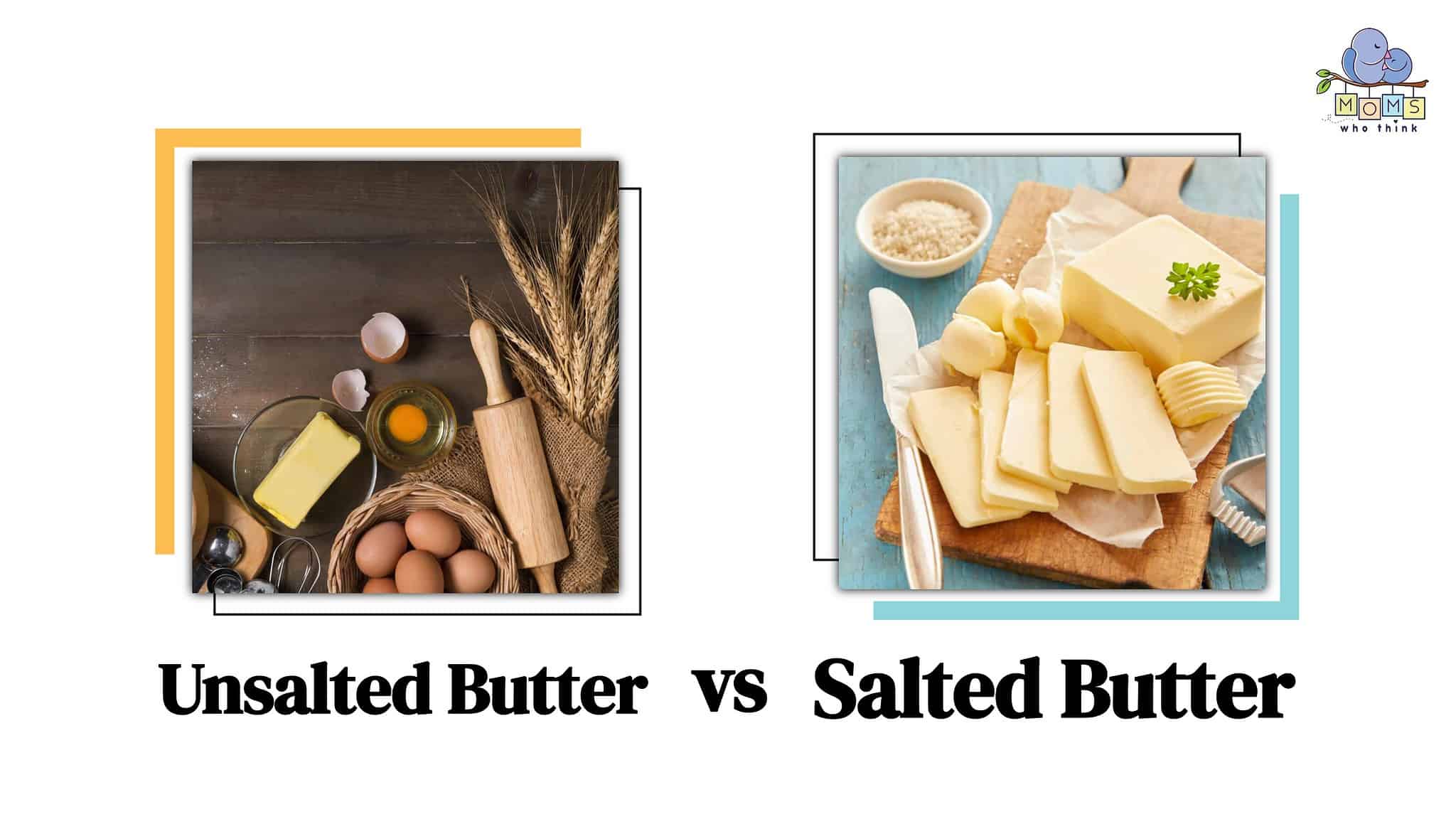 Salted vs. Unsalted Butter: When Should You Use Each?
It also helps to remember that most everyday cooking tolerates the swap without any noticeable difference. Spreading it on warm bread, melting it over roasted potatoes, or folding it into pancake batter will produce delicious results whether you reach for salted or unsalted. The key decision factor is really about precision. If you are someone who loves experimenting with recipes and adjusting flavors on the fly, salted butter gives you less ADJUSTMENT control, but a skilled cook can easily compensate. On the flip side, if you bake as a hobby and follow recipes to the letter, keeping unsalted butter on hand is a smart habit.
In the end, the question of salted versus unsalted butter is less about a strict rule and more about understanding what each one brings to your cooking. Both types of butter are fantastic, and knowing when and how to use them gives you more confidence in the kitchen. So the next time a recipe calls for unsalted butter and you only have salted, do not overthink it. Make the swap, taste as you go, and enjoy the process. Cooking should feel fun and accessible, not stressful, and this small piece of knowledge can help you and your family save time, reduce waste, and still put a wonderful meal on the table.