Can I Use Regular Milk In Place Of Evaporated Milk

Welcome to the wonderful, slightly magical world of kitchen substitutions! Have you ever been halfway through a recipe for a creamy pumpkin pie, a dreamy tres leches cake, or...
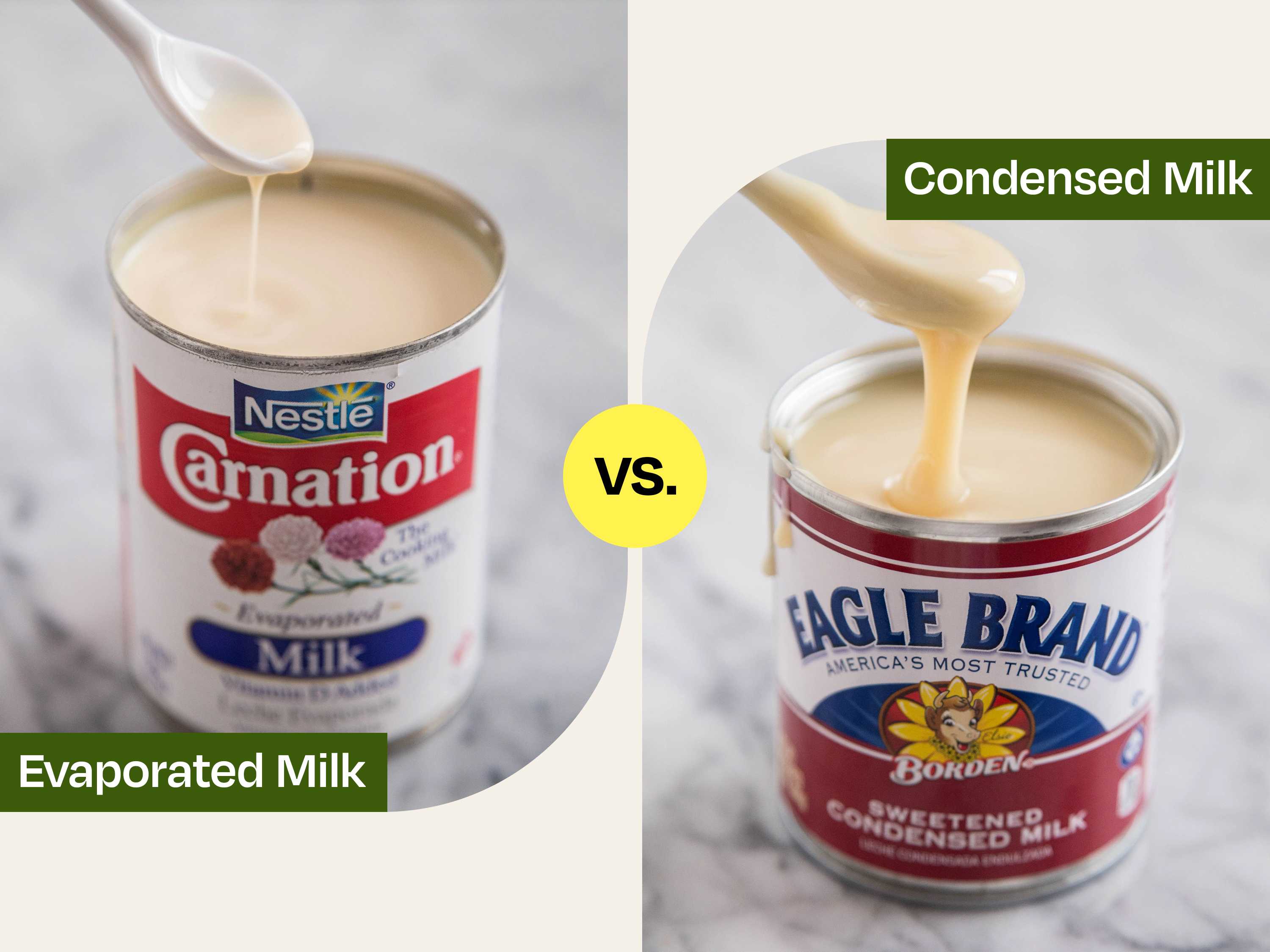
Welcome to the wonderful, slightly magical world of kitchen substitutions! Have you ever been halfway through a recipe for a creamy pumpkin pie, a dreamy tres leches cake, or a silky mac and cheese, only to realize you don't have that single can of evaporated milk? You stand there, a pint of regular milk in your hand, and the big question pops up: Can I use regular milk instead? It’s a fantastic question because the answer unlocks a whole new level of baking flexibility. This isn’t about a desperate last-minute swap; it’s about understanding how your kitchen staples can do double duty. We’re going to explore why this substitution is not just a survival trick but actually a clever way to control the texture and richness of your favorite dishes, saving you a trip to the store and a little bit of pantry panic.
First, let’s get the fundamental truth out there: yes, you can absolutely use regular milk in place of evaporated milk, but you’ll need to adjust your expectations. Evaporated milk is exactly what it sounds like: regular milk that has had about 60% of its water removed through a gentle heating process. This concentration makes it creamier, thicker, and gives it a subtle, cooked, caramelized flavor. Using straight-up regular milk will give you a thinner final product. Think of it as the difference between full-fat crème fraiche and whole milk. For recipes where the consistency is paramount, like in fudge or a dense cheesecake, the substitution needs a helper. But for soups, sauces, and even some custards, a 1:1 swap of regular milk works perfectly fine—it just creates a lighter, more delicate version of the dish.
Now, here’s where the fun begins. The most creative and effective workaround is to simulate evaporated milk by reducing regular milk yourself. It’s incredibly easy and feels very "master chef." Simply pour 1 ½ cups of regular milk (whole milk for best results) into a saucepan. Simmer it over medium-low heat, stirring occasionally to prevent scorching, until it reduces down to about 1 cup. This takes roughly 15–20 minutes. You’ve just concentrated the milk solids, tightened up the texture, and even given it that faintly nutty, sweet deepness that the canned stuff has. Boom: homemade evaporated milk. This works beautifully in baked goods like pumpkin roll or magic bar recipes, where the structural integrity of the milk is part of the magic.
Must Read
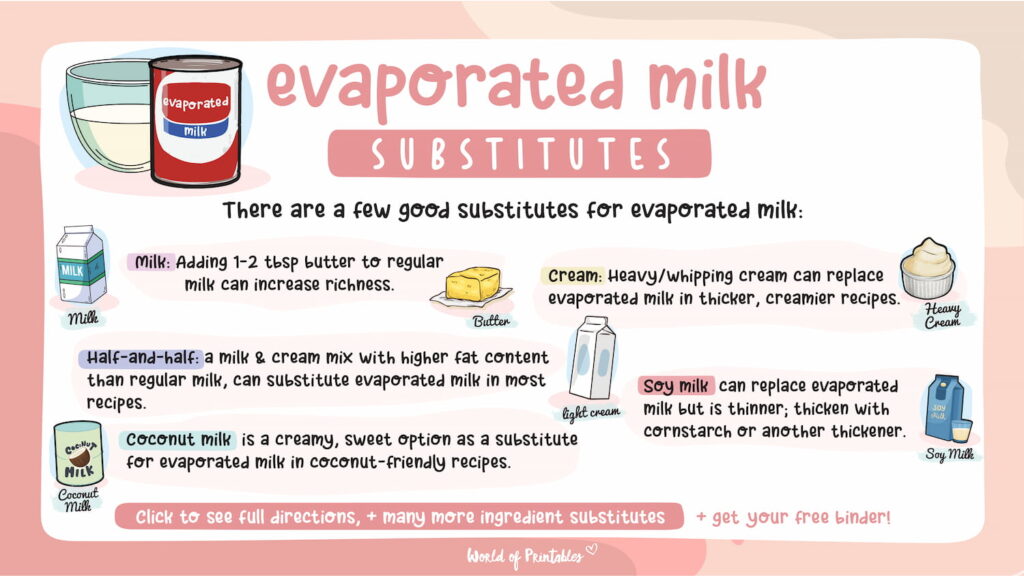
But wait—what about that high-fat magic that makes evaporated milk so divine in savory dishes like mac and cheese or creamy chowders? The trick here is to boost the richness of your regular milk. Since evaporated milk often has a higher fat content (especially the common 2% or whole versions), you can fake its luxuriousness by using half-and-half or by adding a tablespoon of melted butter to a cup of whole milk. For example, if a recipe calls for one can of evaporated milk (about 1 ¾ cups), you can use 1 ½ cups of whole milk plus ¼ cup of heavy cream. Stir it into your soup, and your tongue won’t know the difference. This is a game-changer for anyone who wants a velvety cream soup without opening a can.
Let’s talk about a few specific scenarios with some practical examples. First, the classic pumpkin pie. Will it set without evaporated milk? Yes, but with a caveat. The reduced-milk method (simmering for 20 minutes) is your best bet here. If you just pour in regular milk, the pie may be slightly softer and less firm—still delicious, but it might weep water as it cools. Second, for fudge or caramels, do not use raw regular milk. You need the concentrated sugar and milk solids to achieve proper set. Instead, use the reduction method or a combination of milk and a small amount of cornstarch slurry (1 teaspoon cornstarch per cup of milk, whisked in) to help thicken. Third, for coffee creamer or quick sauces, straight regular milk is a perfectly fine swap. It just won’t be quite as thick. The advantage? You get a lighter, fresher-tasting sauce that doesn’t have that slight tinny note from a can.
 Can You Use Evaporated Milk Instead Of Heavy Cream In Coffee
Here is your cheat sheet for perfect results. First, always choose whole milk over skim or 2% when substituting. The extra fat compensates for the missing richness and helps emulsify the dish. Second, if you’re baking something that needs structure, like a custard or a dense cake, always reduce the milk first—that single step removes the guesswork. Third, don’t be afraid to add a pinch of sugar to your regular milk (about ½ teaspoon per cup) if the recipe is sweet, because evaporated milk has natural lactose sweetness that whole milk lacks. Fourth, for savory dishes, a tiny splash of vanilla extract or a pinch of baking soda can mimic the subtle cooked, alkaline flavor of evaporated milk. And finally, trust your senses. If your batter looks too thin after substituting, you can always stir in a little more flour (for cakes) or cook it a bit longer (for sauces).
In a nutshell, using regular milk in place of evaporated milk is not a downgrade—it’s an opportunity to be resourceful. You’re not a robot following a can; you’re a cook who understands the principles of texture and flavor. The next time you reach for that can and find you don’t have it, don’t frown. Take a breath, grab the milk from your fridge, and decide: “Do I want a lighter version, or do I have 15 minutes to create a perfect homemade substitute?” Either way, you’ll produce something delicious. So go ahead and experiment. Your kitchen is your lab, and the only wrong answer is not trying. Swap, stir, and enjoy the creamy (or lighter!) outcome with confidence. Happy cooking!
