Can I Use Powdered Sugar Instead Of Granulated Sugar

We’ve all been there. You’re halfway through whipping up a batch of chocolate chip cookies, feeling like a baking superstar, when you reach for the sugar. And then it hits you...

We’ve all been there. You’re halfway through whipping up a batch of chocolate chip cookies, feeling like a baking superstar, when you reach for the sugar. And then it hits you: the granulated sugar bag is empty. All you see is that fluffy, powdery bag of powdered sugar staring back at you from the pantry. The panic is real, right?
So, can you just swap them? The short answer is: sometimes, but you have to know what you’re doing. It’s not a straight one-for-one trade, and if you’re not careful, your cookies might turn into weird little pancakes. Let’s break it down in a way that doesn’t feel like a science lecture.
The Secret Difference: Cornstarch
Here’s the little secret most people don’t think about: powdered sugar isn’t just ground-up granulated sugar. It’s blended with a small amount of cornstarch to keep it from clumping. That cornstarch is a sneaky game-changer.
Must Read
Think of it like this: granulated sugar is a reliable, sturdy building block. Powdered sugar is that same block, but it’s been crushed into dust and then mixed with a little bit of flour. It behaves differently, especially when heat is involved.
The Cookie Test: Real Life in Your Kitchen
I tried swapping powdered sugar for granulated in my favorite sugar cookie recipe once. The dough felt soft and almost too easy to handle. But after baking? The cookies spread out into thin, crunchy discs that tasted like powdered donuts.
And not in a fun way. They were delicious, don’t get me wrong, but they weren’t what I wanted. The texture was all wrong—crispy and almost sandy on the inside instead of chewy and soft. The cornstarch had absorbed too much moisture.
When You Absolutely Should NOT Swap
Do not use powdered sugar in any recipe where the structure of the baked good is critical. That means your go-to sugar cookies, meringues, or anything that needs to hold its shape. The cornstarch will mess with the science.
Also, stay away from it in recipes that rely on creaming butter and sugar together for air. Granulated sugar creates little air pockets as you beat it. Powdered sugar just makes a dense, smooth paste. Your cakes will come out heavy and sad.
When It’s Absolutely Brilliant
Here’s the fun part: powdered sugar is a hero in some situations. If you’re making frosting, glazes, or a simple dusting for pancakes, it’s perfect. It dissolves instantly and gives a silky finish that granulated sugar could never achieve.
My favorite hack? Use it in a quick, 2-ingredient cookie. Mix one cup of peanut butter with one cup of powdered sugar. Bake at 350°F for 10 minutes. No cornstarch drama, just a chewy, sweet treat that tastes like a Reese’s cup.
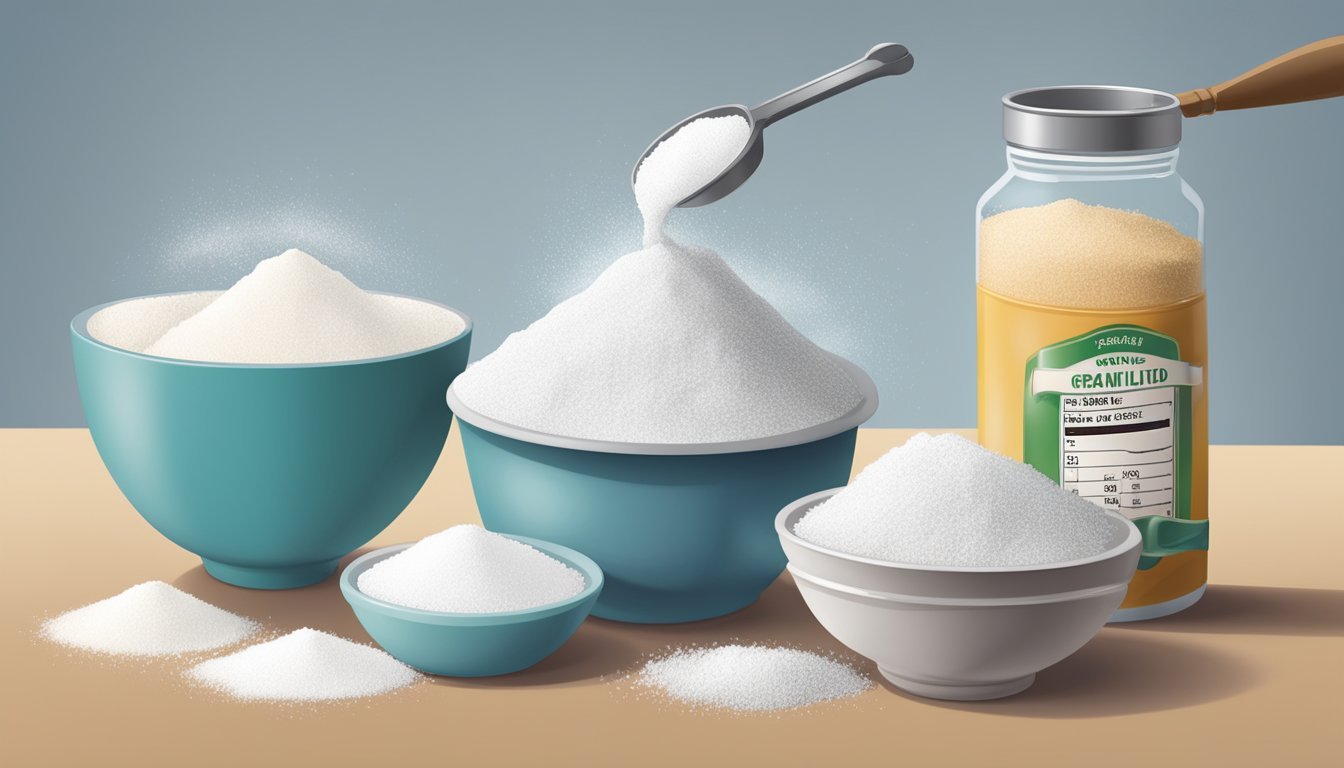 How to Substitute Powdered Sugar for Granulated Sugar
The Cream Cheese Frosting Miracle
Think about your last birthday cake. The fluffy, cloud-like frosting on top? That was almost certainly made with powdered sugar. Granulated sugar would leave a gritty, crunchy texture that nobody wants on their cake.
If you try to swap powdered sugar for granulated in a frosting recipe, you’re doing the right thing. It’s the only choice for smooth, velvety frostings. Just remember: don’t swap the other way. Never use granulated sugar for a buttercream. You’ll be crunching on sugar crystals for days.
How to Swap (If You Really Have To)
Okay, so you’re out of granulated sugar and the store is closed. You can do a swap, but you have to be smart. For every 1 cup of granulated sugar, use about 1 ¾ cups of powdered sugar.
But here’s the kicker: reduce the liquid in your recipe by about 2 tablespoons. The cornstarch will absorb more moisture, so you need to compensate. And lower your baking temperature by 25°F to prevent over-spreading. It’s a lot of work, but it might save your dessert.
A Little Story for the Road
My neighbor once tried to make lemonade with powdered sugar because she was out of regular sugar. She stirred it in, and it made a cloudy, chalky mess. She took one sip and said, “This tastes like a math homework assignment.” I laughed until I cried.
The lesson? For drinks, always stick to granulated. Powdered sugar is for pretty dustings and silky frostings, not for sweetening your iced tea. Your taste buds will thank you.
The Bottom Line
Can you use powdered sugar instead of granulated? Yes, but only if you know the rules. It’s like asking if you can wear flip-flops to a formal dinner. You can, but the results might be awkward and disappointing.
Keep granulated sugar in your pantry for baking, and save that powdery stuff for finishing touches. Your cookies will stay chewy, your cakes will stay fluffy, and your family will think you’re a kitchen genius. And honestly, isn’t that the sweetest reward of all?
