Can I Use Plain Yogurt Instead Of Sour Cream

In kitchens around the world, sour cream has long been a beloved ingredient that adds richness, tang, and creaminess to countless dishes. From baked potatoes topped with a gen...
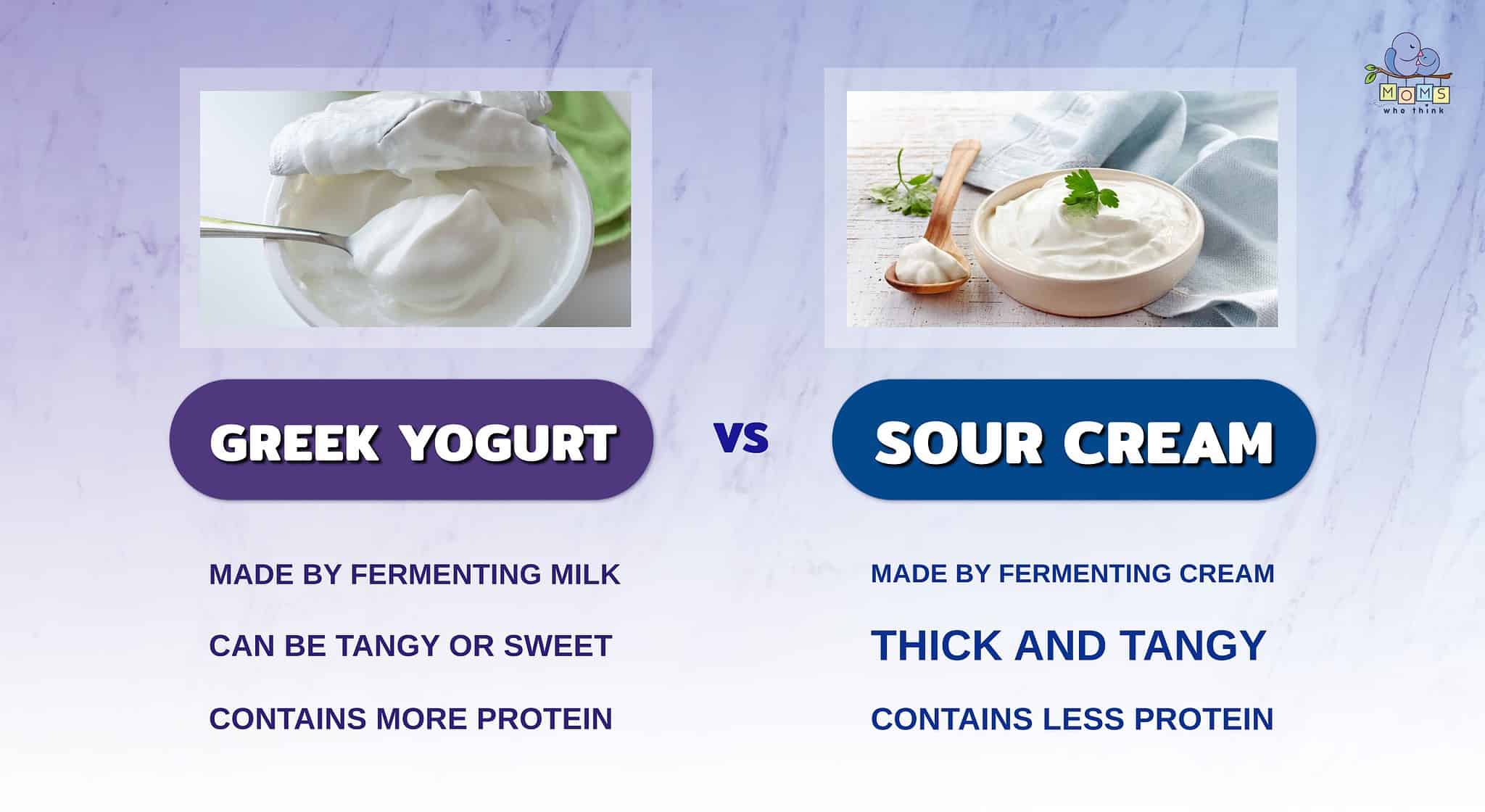
In kitchens around the world, sour cream has long been a beloved ingredient that adds richness, tang, and creaminess to countless dishes. From baked potatoes topped with a generous dollop to creamy dips and frostings, sour cream plays a crucial role in balancing flavors and achieving the right texture. However, many home cooks find themselves standing in the kitchen without that tub of sour cream, wondering what to do. The good news is that plain yogurt is not just a viable substitute — it can actually be a smarter, healthier choice in most situations. Understanding when and how to swap one for the other can save you a trip to the store and even improve the nutritional profile of your meal.
The main reason people reach for sour cream is its ability to add a tangy richness that rounds out both savory and sweet dishes. Plain yogurt, particularly full-fat or Greek yogurt, shares this same tangy character, making it a near-perfect stand-in. Whether you're whipping up a batch of baked potatoes, mixing a creamy sauce, or preparing a refreshing soup, substituting yogurt for sour cream works remarkably well. The key is to choose plain, unflavored yogurt — never a fruit-sweetened variety — so that the flavor profile stays consistent with what sour cream would have contributed. In many cases, you won't even notice the difference.
One of the most compelling benefits of using plain yogurt instead of sour cream is its superior nutritional value. Commercial sour cream typically contains high levels of saturated fat and fewer beneficial nutrients, while plain yogurt — especially Greek yogurt — is richer in protein, lower in fat (if you choose a reduced-fat version), and contains live active cultures that support gut health. For example, if you're trying to eat lighter or increase your protein intake, swapping sour cream for Greek yogurt on tacos or in a creamy pasta sauce gives you a dish that tastes just as indulgent but comes with a healthier nutritional profile. Everyday scenarios like topping a chili with yogurt instead of sour cream demonstrate how this simple swap can quietly support your wellness goals without sacrificing taste.
Must Read
There are a few practical differences to keep in mind when making the swap. Sour cream is generally thicker and holds its shape better when used as a topping, while plain yogurt can be a bit looser in consistency. If you need a thicker texture — perhaps for a baked dish or a dense dip — strained Greek yogurt is your best bet because it closely mimics the body and mouthfeel of sour cream. On the other hand, if you're stirring yogurt into hot soups or sauces, it can sometimes curdle due to its higher acidity. To prevent this, add the yogurt gradually, reduce the heat before incorporating it, and stir constantly for a smooth result. These small adjustments ensure your dish turns out beautifully every time.
 Use Plain Yogurt Instead Of Sour Cream In A Recipe at Stacey Luker blog
The skincare and cosmetic world also quietly values this same principle: yogurt's naturally occurring lactic acid gently exfoliates, much like how its acidity brightens and balances flavors in food. The connection is a fun reminder that versatile ingredients often bridge multiple aspects of daily life — from what we eat to how we care for ourselves. This dual-purpose quality is part of why plain yogurt has earned such a lasting place in households everywhere.
To get started experimenting with this substitution, try these simple tips. First, always use plain, unsweetened yogurt so that the flavor remains authentic to the dish. Second, do a 1:1 swap by volume — one cup of sour cream equals one cup of yogurt — and adjust to taste from there. Third, if the dish is acidic by nature, consider tempering the yogurt slightly with a pinch of baking soda to mellow it out and prevent separation. Finally, keep both options in your mental recipe bank: use sour cream when you absolutely need maximum thickness and stability, and reach for yogurt when you want a lighter, protein-rich alternative. With these guidelines, you'll never have to worry about running out of sour cream again.


