Can I Use Flour In Place Of Cornstarch

Ever reached for the cornstarch only to find an empty box staring back at you? Yeah, we've all been there. But don't panic — you might already have the solution sitting in you...

Ever reached for the cornstarch only to find an empty box staring back at you? Yeah, we've all been there. But don't panic — you might already have the solution sitting in your pantry.
The Big Question: Can You Actually Swap Them?
Floor and cornstarch are both thickeners, so technically, yes, you can use flour instead. They serve a similar purpose in cooking, which is kind of cool when you think about it. But like swapping a sneaker for a sandal, the results won't be exactly the same.
Cornstarch is basically pure starch with no protein, which makes it a powerful thickener. Flour, on the other hand, contains gluten and protein alongside its starch content. That difference matters more than you might expect.
Must Read
How Much Flour Do You Use?
Here's the golden rule: use double the amount of flour compared to cornstarch. So if your recipe calls for one tablespoon of cornstarch, reach for two tablespoons of flour instead. Easy math, right?
Flour is simply less concentrated as a thickening agent. It needs a bit more help to do the same job cornstarch does. Think of it like using a wide brush versus a fine tip — they both paint, but one needs more strokes.
What About the Velvety Smooth Texture?
Here's where things get interesting. Cornstarch gives sauces that glossy, translucent finish we all love in stir-fries and gravies. Flour thickens things up but leaves the dish looking a little more opaque and cloudy.
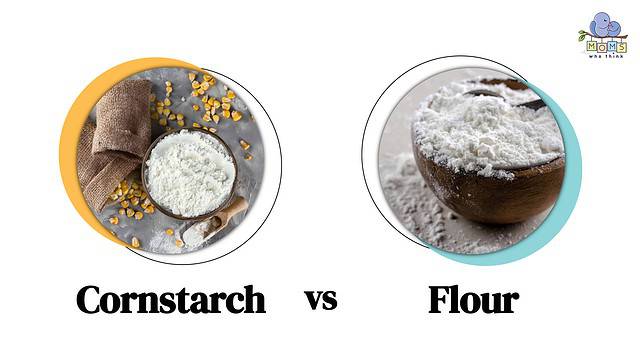 Cornstarch vs. Flour: When to Cook with Each & Key Differences
Does that matter? Sometimes, sure. For everyday cooking like soups or stews, nobody's going to notice a slight difference in shine. For a fancy presentation sauce? You might.
One Tricky Thing: Raw Flour Taste
Flour can taste pasty if it's not cooked properly in your dish. Cornstarch, weirdly enough, doesn't have that problem the same way. This is why some cooks recommend a quick roux — mixing flour with a little fat — before adding it to liquid.
Making a roux is super simple and only takes a minute or two. Just stir flour into butter or oil over low heat until it smells nutty. Wow, your kitchen suddenly smells amazing and you've worked around that raw flour flavor.
It Works Great for Fried Foods Too!
Ever wonder why some restaurant-style fried chicken is unbelievably crispy? Cornstarch in the coating plays a big role in that crunch. Flour will still get you a crunchy result, but the texture will lean more toward classic breading.
 Does Cornstarch Have A Taste? - (Things You Need To Know!)
Flour gives you a heartier, more substantial crust. Cornstarch delivers that shatteringly thin crispiness. It's like the difference between a crunchy chip and a puffy prawn cracker — both awesome, just different vibes.
What About Baking?
If you're making a pie filling and only have flour, go for it. Just remember to increase the amount and check for that characteristic cloudiness. Some bakers honestly don't mind — a slightly creamy look can feel surprisingly cozy.
For cookies or cakes, replacing cornstarch with flour changes the texture significantly. Cornstarch in baked goods adds tenderness and a delicate crumb. Flour will make things a touch denser, which can be perfectly fine depending on what you're going for.
Allergies and Considerations
One more fun fact: not everyone can use flour freely. People with gluten sensitivity or celiac disease need to steer clear of wheat flour entirely. That's actually one big reason cornstarch exists as such a popular alternative.
 CORNSTARCH VS FLOUR. What to use? Can I use cornstarch instead of flour
But what about a gluten-free option like rice flour or potato starch? Those work too and might surprise you with their results. It's a whole world of thickening possibilities waiting to be explored.
So, Should You Actually Make the Swap?
Absolutely — when you're in a pinch! Having a simple substitution in your back pocket is one of those kitchen skills that feels empowering. You don't need to rerun to the store for a single ingredient.
Just keep the ratio boost in mind, cook off that raw flour taste, and manage your texture expectations. And honestly? Most dishes taste just as delicious with a flour-thickened sauce. Your family and friends aren't running a starch quality analysis committee.
The next time cornstarch goes missing, smile a little and reach for the flour. Cooking is supposed to be chill, and knowing these little hacks makes it even more fun. Isn't being at peace in the kitchen what we're all after anyway?
