Can I Use Dried Thyme Instead Of Fresh

Thyme is one of those timeless herbs that appears again and again in kitchens around the world. Whether sprinkled into a hearty stew, rubbed onto roasted chicken, or steeped i...
Thyme is one of those timeless herbs that appears again and again in kitchens around the world. Whether sprinkled into a hearty stew, rubbed onto roasted chicken, or steeped in a warming cup of tea, thyme brings an earthy, slightly peppery depth to countless dishes. For many home cooks, the question of whether they can substitute dried thyme for the fresh variety is a practical one — especially when the herb garden hasn't grown yet or the grocery store leans dry instead of green.
The key purpose of thyme in cooking is to enhance flavor without overwhelming it. It pairs beautifully with garlic, lemon, rosemary, and olive oil, forming the backbone of Mediterranean and French cuisines. Fresh thyme sprigs brighten a pan sauce, while dried thyme adds a concentrated, slightly more mellow warmth that blends seamlessly into slow-cooked meals. Knowing when and how to use each form gives you flexibility in the kitchen and ensures you never have to skip the recipe just because you're missing an ingredient.
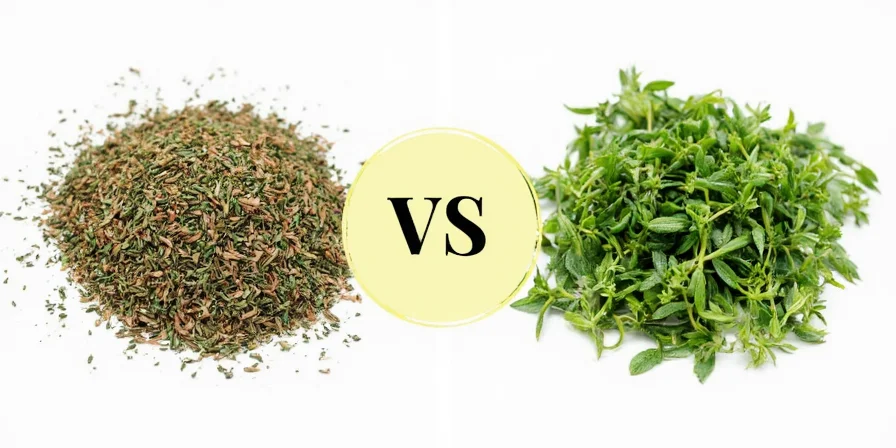
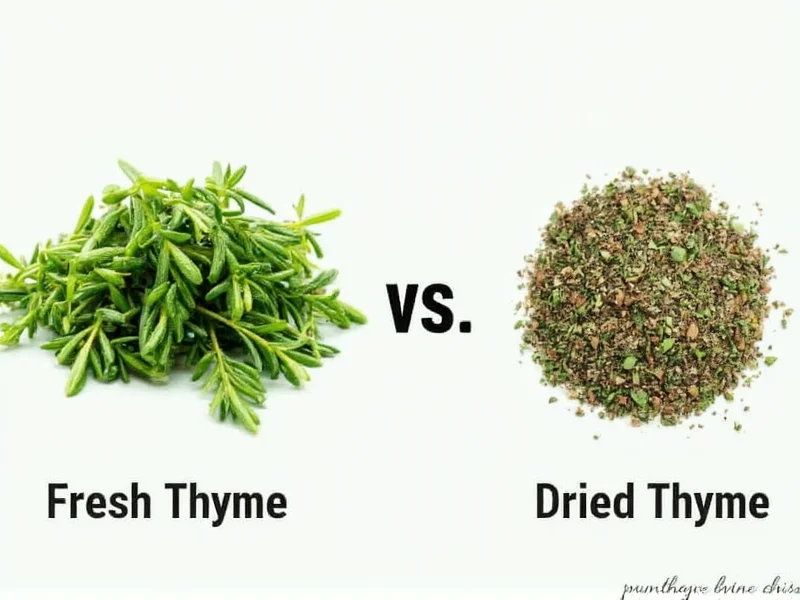
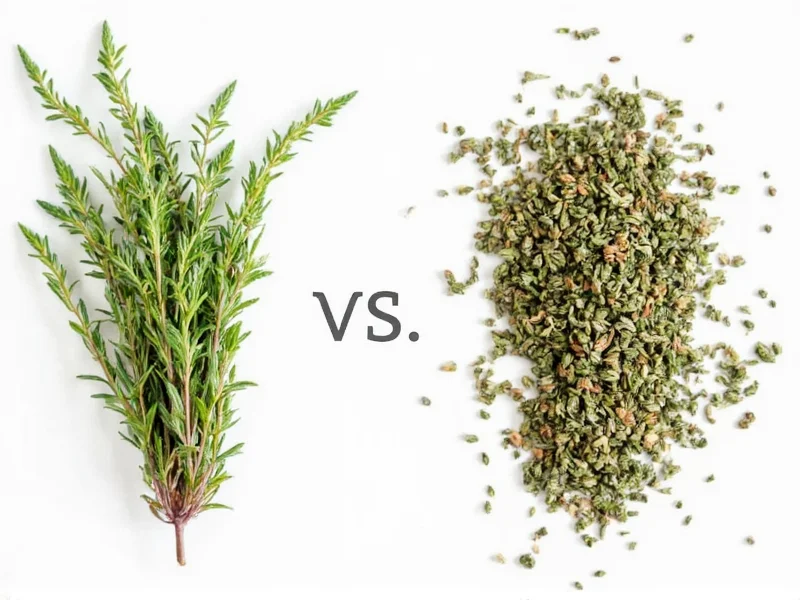
Can you use dried thyme instead of fresh? Absolutely. The two forms are not identical, but dried thyme is a perfectly acceptable — and often convenient — substitute. The main difference lies in intensity. Dried herbs are more concentrated because all the moisture has been removed, so you need less of them to achieve a comparable effect. A widely used guideline is to replace one tablespoon of fresh thyme with one teaspoon of dried thyme, roughly a one-to-three ratio. This adjustment keeps the balance of your dish intact and prevents any single flavor from dominating.
Must Read
Consider a common scenario: you're preparing a roasted root vegetable medley on a weeknight, but the only thyme you have is the dried jar in your spice rack. Simply measure one-third of the amount the recipe calls for, toss the vegetables with olive oil, salt, pepper, and the dried thyme, and roast as directed. The result is a dish that still carries thyme's signature herbaceous warmth, just with a slightly more subdued, dried-herb profile compared to the bright, almost floral punch of fresh leaves. In slow-braised dishes like beef stew or lamb shanks, the difference becomes even less noticeable.
The benefits of keeping dried thyme on hand extend beyond convenience. Dried herbs have a much longer shelf life — typically one to three years when stored in a cool, dark pantry — so you reduce food waste and always have flavor close at hand. They're also more affordable for many households, especially when fresh herbs must be purchased in bundles and often go unused before wilting. Keeping a well-stocked spice collection empowers you to cook spontaneously, turning what's already in your pantry into something delicious.
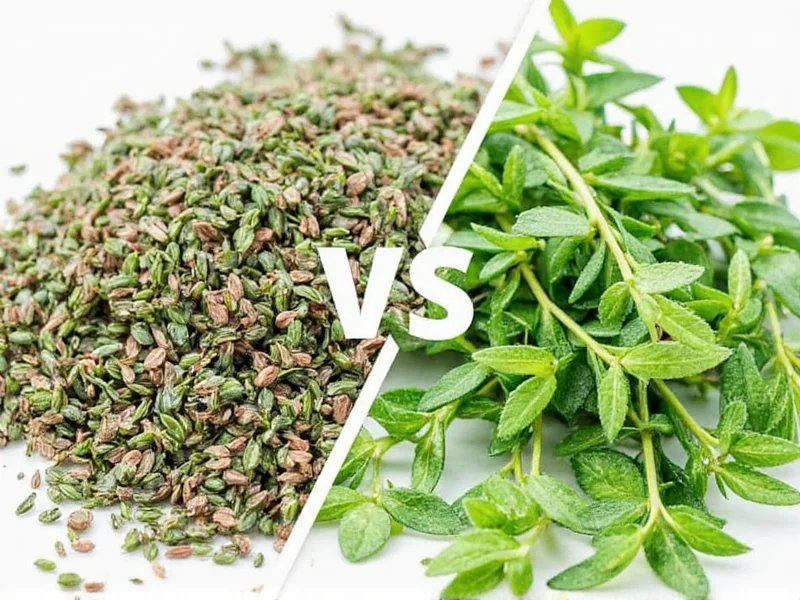 Thyme Dry to Fresh Conversion: The Exact 1:3 Ratio Guide
To get the most out of both forms, try a few simple tips of your own. First, smell your dried thyme before using it — if it gives off little to no aroma, it's lost its potency and should be replaced. Second, when using dried thyme during the early stages of cooking, add it early so the flavors have time to rehydrate and meld with the other ingredients, similar to how fresh herbs are often stirred in near the end. Third, if a recipe specifies fresh thyme, think about whether your dish benefits from a bright, herbaceous top note — if so, fresh may be worth the extra trip to the store. Otherwise, dried thyme will serve you well, saving time, money, and maybe even your patience in the kitchen.
Ultimately, both forms have a place in the modern kitchen. Fresh thyme shines in salads, garnishes, and quick sauces where its vibrant color and aroma take center stage, while dried thyme quietly supports long, slow cooking with reliability and depth. Understanding the distinction — and the simple substitution ratio — lets you cook with confidence and creativity, no matter which form is sitting on your shelf.