Can I Use Cornstarch Instead Of Baking Powder

Okay, let’s get our hands a little floury and dive into a kitchen question that’s probably crossed your mind mid-recipe: Can I use cornstarch instead of baking powder? It’s a...
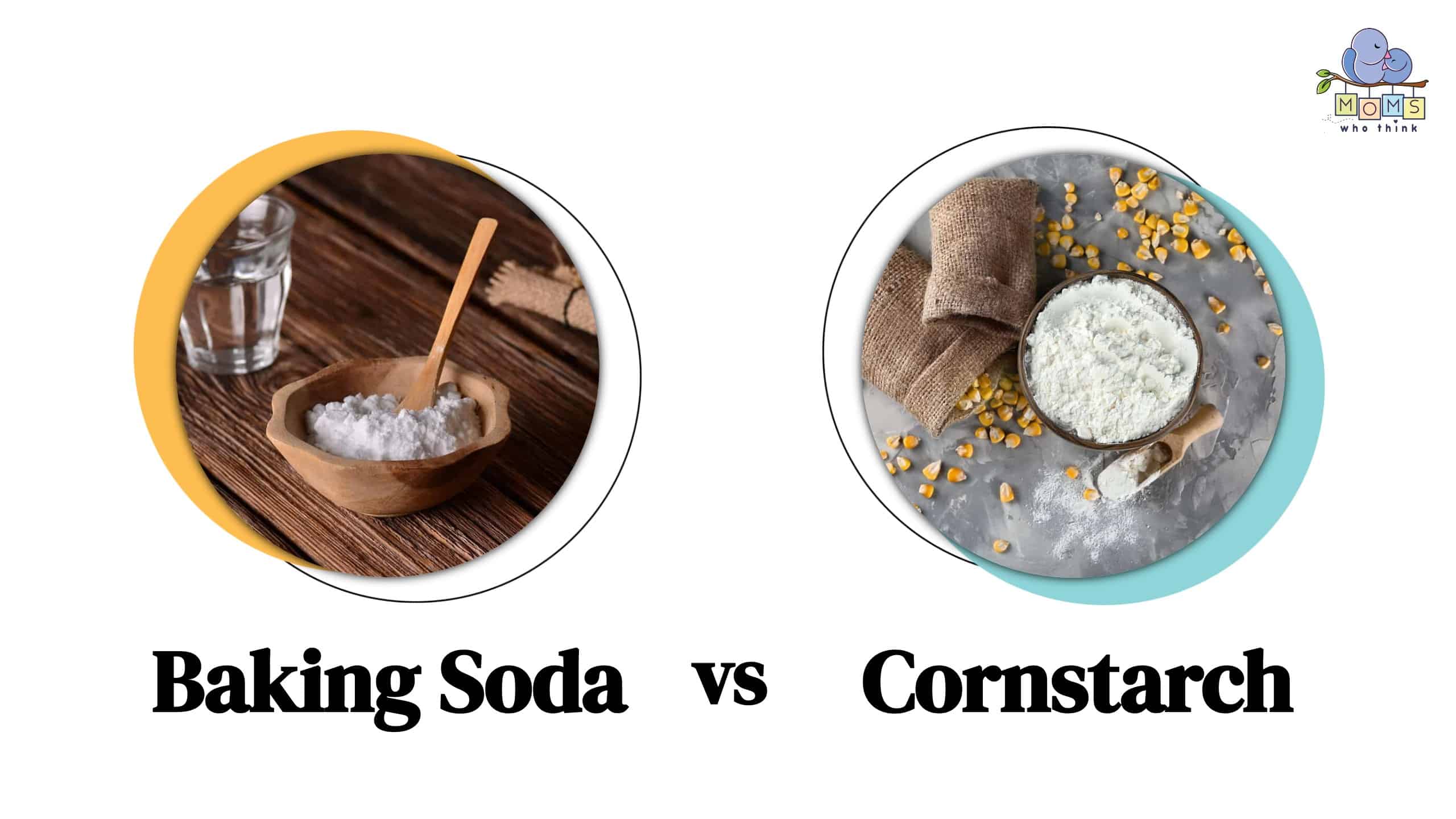
Okay, let’s get our hands a little floury and dive into a kitchen question that’s probably crossed your mind mid-recipe: Can I use cornstarch instead of baking powder? It’s a classic pantry panic—you’re ready to bake, you reach for the baking powder, and… crickets. But there’s that box of cornstarch staring at you from the shelf. Its names both start with “corn,” right? They must be related.
Well, not exactly. Think of it like this: baking powder is the party starter, and cornstarch is just a very quiet wallflower in the back. Baking powder creates bubbles—those tiny explosions of carbon dioxide that make your cake, muffin, or pancake rise into a fluffy cloud. Cornstarch? Its only job is to thicken things, like gravy or pudding. One blows things up; the other just makes them goopy. Fun, right?
The Chemical Showdown
Why are they so different? Baking powder is a leavening agent, meaning it contains a mix of baking soda (a base) and an acid (like cream of tartar), plus a bit of cornstarch to keep it dry. When you add wet ingredients and heat, it fizzes and releases gas. That’s the stuff that gives your banana bread its lovely dome.
Must Read
Cornstarch, in contrast, is pure starch. It’s a long chain of sugar molecules that absorb water and swell, turning a thin liquid into a thick one. Swap baking powder for cornstarch in a cookie recipe, and you’ll get a dense, flat, almost rubbery disc—not a cookie, but a sad, heavy hockey puck. Ever seen a hockey puck in a bakery? Me neither.
Is There Any Hope? A Tiny Glimmer
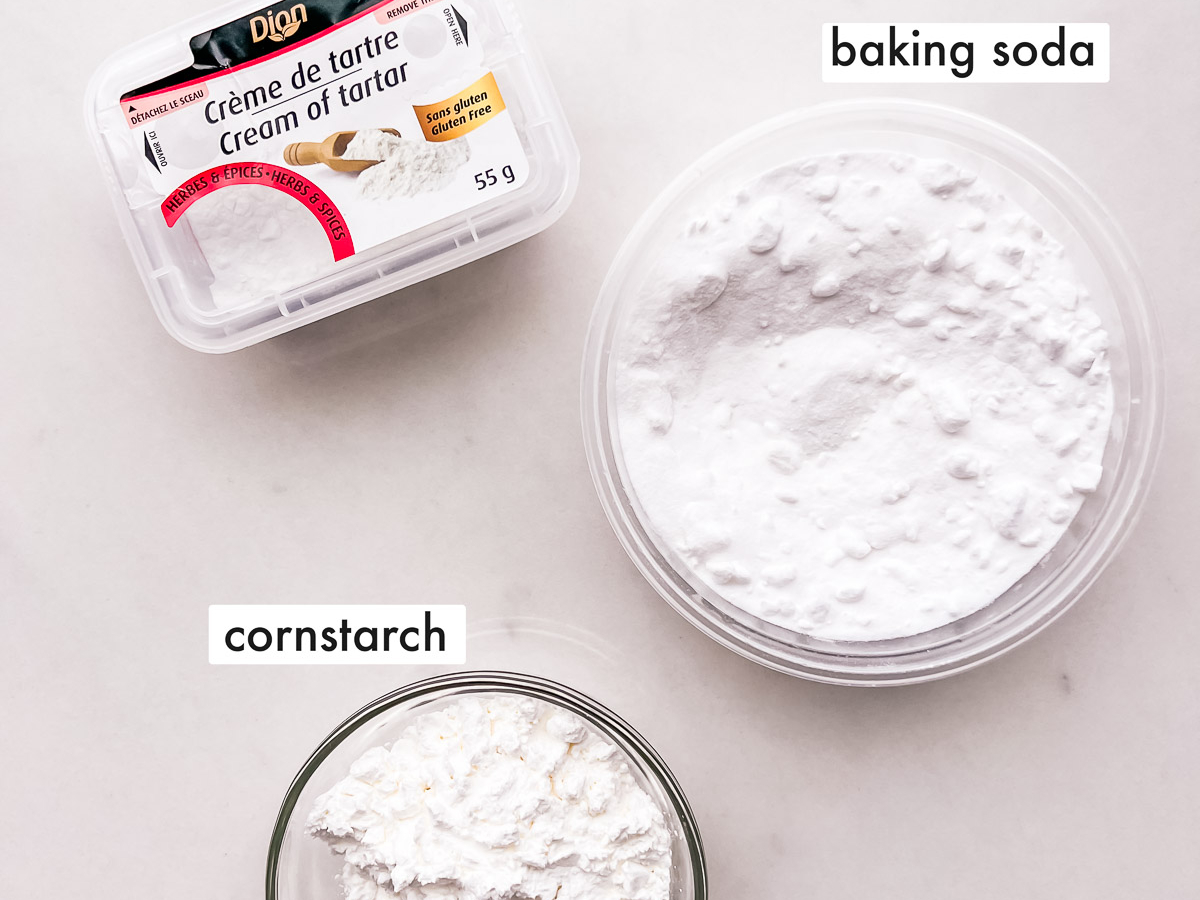
Okay, so you cannot just swap them one-for-one—do not do that—unless you want a brick. But here’s where it gets interesting: you can fake baking powder using cornstarch as a helper. Take one part baking soda, two parts cream of tartar (an acid powder), and one part cornstarch. Mix it up, and boom: you’ve made your own DIY baking powder!
Why is cornstarch in that mix? It’s the dry stabilizer. It absorbs moisture from the air so the baking soda and cream of tartar don’t react early inside your jar. Think of it as the bodyguard that keeps the party crashers in line until they hit the batter. So yes, cornstarch is part of the solution—but only if you use it as a middleman, not the main act.
The Texture Trap
Let’s talk texture, because that’s where your taste buds will notice the difference. Cornstarch, when used in a recipe that expects it, gives a delicate, almost velvety crumb—think shortbread cookies or some Asian sponge cakes. But if you accidentally dump it in where baking powder should go, you’ll get a dense, gummy mess with a weird “raw” starch flavor.
It’s a bit like hiring a painter to fix your plumbing: they’ll do something, but it won’t be pretty. You know what’s worse? The sinking feeling when your muffins don’t rise. So please, save the cornstarch for silky pie fillings, crispy fried chicken, or the perfect stir-fry sauce. Let baking powder handle the air.
 Baking Powder Vs Cornstarch: Differences, Uses, Substitutes
What About Double-Acting Magic?
Here’s a fun fact: most store-bought baking powders are “double-acting.” This means they create bubbles twice—once when you mix the wet and dry ingredients, and again when they hit the oven’s heat. That’s why your cake doesn’t flop while you’re tying your apron. Cornstarch doesn’t do that. It’s firmly one-and-done (and “one” is just thickening).
You could try to use cornstarch as a thickener in a batter, thinking it might “trap” air. But those trapped air pockets collapse quickly because you need chemical gas to hold them up. It’s like trying to fill a balloon with smoke instead of helium—it might look full for a second, but then it just lies there. Embarrassing for everyone.
When You Absolutely Must Sub
If you are in a truly desperate situation—like, the shops are closed and you need pancakes now—there is a workaround. Beat your egg whites separately until stiff, then fold them very gently into your batter. The whites act as a mechanical leavener, trapping air like tiny balloons. Then add your cornstarch for structure (if the recipe calls for it).
This is not a perfect fix, but it’s better than using straight cornstarch alone. Think of it as swapping a sports car for a tricycle—you’ll still move forward, but you won’t be winning any races. Your pancakes will be denser, more like a flatbread, but they’ll still taste good with syrup. Sometimes “good enough” is the best you can bake.
The Final Verdict (Chill Edition)
So, back to the original question: Can you use cornstarch instead of baking powder? In a word: no, not as a direct swap. But you can use it as part of a homemade baking powder blend, or as a texture modifier if you understand the risks. The real star here is knowing your ingredients—and having fun experimenting.
Next time you’re in the baking aisle, grab both. Give the cornstarch a little nod for being a fantastic thickener, and shake the baking powder to hear the tiny, sleepy bubbles inside. They’re partners in different kitchen dramas. And hey, if you ever do mix them up, you’ll have a hilarious story and a very dense cake to laugh over. That’s science you can taste!
