Can I Use Canola Oil In Place Of Vegetable Oil

Cooking is one of life’s great everyday pleasures, and at the heart of that pleasure is the simple, reliable bottle of oil. Whether you’re sautéing vegetables for a quick week...
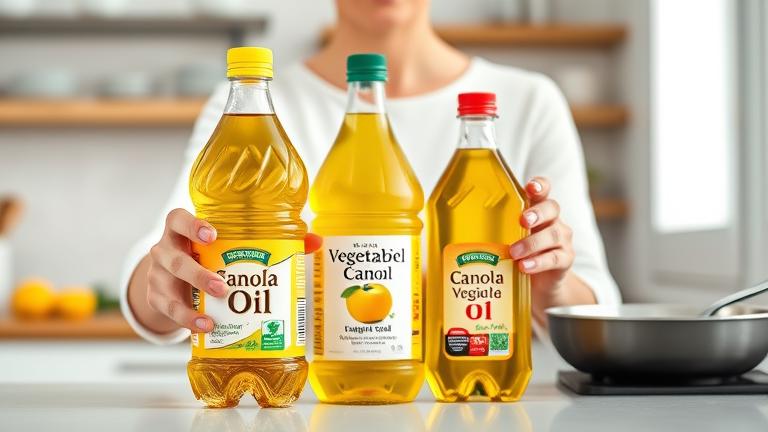
Cooking is one of life’s great everyday pleasures, and at the heart of that pleasure is the simple, reliable bottle of oil. Whether you’re sautéing vegetables for a quick weeknight dinner, baking a moist chocolate cake, or frying crispy chicken for a weekend treat, oil is the silent partner that makes it all possible. It carries heat, locks in moisture, and adds a subtle richness that transforms ingredients. For many home cooks, the pantry staple is a bottle labeled “vegetable oil.” But when that bottle runs dry, a common question arises: Can I use canola oil in place of vegetable oil? The short answer is yes, and understanding why can make your cooking life easier, healthier, and just as delicious.
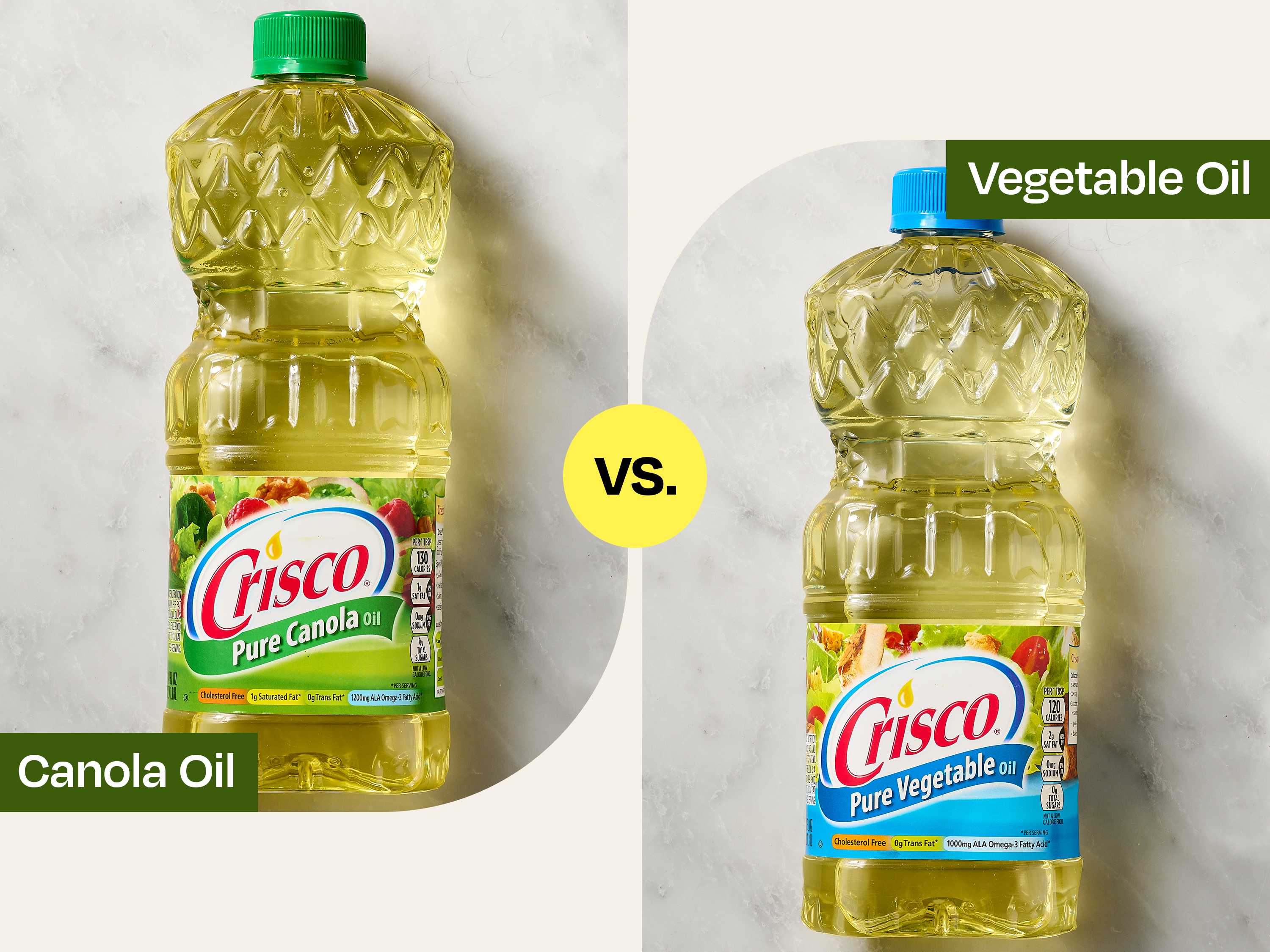
The key purpose of a neutral cooking oil is to transfer heat evenly without overpowering the flavor of your food. Both canola and vegetable oils are designed for this role. Vegetable oil is a broad term—often a blend of soy, corn, palm, or sunflower oils—chosen for its high smoke point and neutral taste. Canola oil, pressed from the seeds of the rapeseed plant, shares these exact qualities. It has a smoke point of about 400–450°F, similar to most vegetable oils, meaning it won’t burn or smoke in your pan during frying or stir-frying. In terms of taste, canola oil is remarkably neutral, making it an ideal stand-in for any recipe that calls for vegetable oil without altering the final flavor.
One of the greatest benefits of swapping canola for vegetable oil is its health profile. Canola oil contains significantly less saturated fat than many vegetable oil blends—about 7% compared to 10–15% in typical soy-based vegetable oils. It is also rich in monounsaturated fats and contains a good amount of omega-3 fatty acids, which are beneficial for heart health. For example, if you are preparing a batch of homemade salad dressing or roasting a tray of root vegetables, using canola oil not only works perfectly but adds a nutritional advantage. It’s a small change that can improve your everyday meals without costing you flavor or texture.
Must Read
To see this swap in action, consider a common scenario: you’re about to bake a batch of chocolate chip cookies. The recipe calls for half a cup of vegetable oil. You open the pantry and find you have only canola. Should you dash to the store? Absolutely not. Pour the canola oil into your mixing bowl—your cookies will be just as moist, tender, and rich. The same holds true for homemade pizza dough, brownies, or even fluffy pancakes. In each case, canola oil will not change the color, rise, or taste of the final product. It’s a direct substitute in a 1:1 ratio, meaning you can use the exact same amount without any adjustments.
Another everyday win is in stir-frying or deep-frying. Imagine you’re making a quick vegetable stir-fry with broccoli, bell peppers, and tofu. A high smoke point is crucial here to get that perfect, slight char without greasiness. Canola oil excels at high-heat cooking, matching or even surpassing most generic vegetable oils in stability. For deep-frying foods like tempura or french fries, canola oil is a favorite among chefs because it resists burning and has a light, clean taste that doesn’t linger. So not only can you replace vegetable oil with canola, you might actually prefer the results for crispy, golden fare.
 How To Say Canola
To explore this substitution on your own, here are a few simple tips. First, always check the recipe’s intent: if you are making something that relies on a distinct flavor—like a nut oil or extra-virgin olive oil for a pesto—canola is not the right replacement because it is neutral. But for anything that says “vegetable oil,” canola is your go-to. Second, store canola oil in a cool, dark cabinet to keep it fresh, just as you would any cooking oil. Third, for baking, you can even use canola oil as a lower-fat alternative in recipes that call for butter or shortening, though texture may become slightly more cakey. Finally, if you are health-conscious, consider using canola oil for salad dressings and marinades—its light flavor lets herbs and vinegars shine.
In conclusion, the answer to “Can I use canola oil in place of vegetable oil?” is a confident yes. This simple swap retains all the cooking functionality you need while offering a slightly better nutritional profile. Whether you are an experienced cook or a beginner in the kitchen, knowing that canola oil can replace vegetable oil in almost any application—from frying to baking to sautéing—gives you flexibility and peace of mind. The next time you reach for a bottle, don’t hesitate to grab the canola. It’s a small, smart change that supports your everyday cooking joy and your health.
