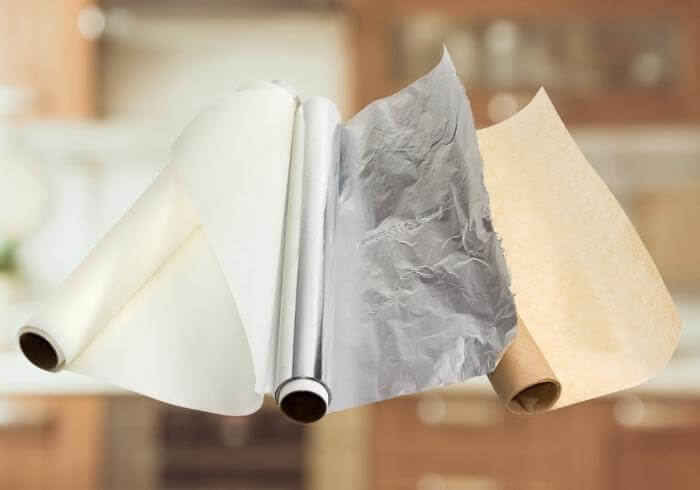
Can I Use Baking Paper Instead Of Foil

Baking paper and aluminum foil are two staples found in almost every kitchen. Whether you're lining a tray, wrapping food for the oven, or covering a dish for the fridge, havi...
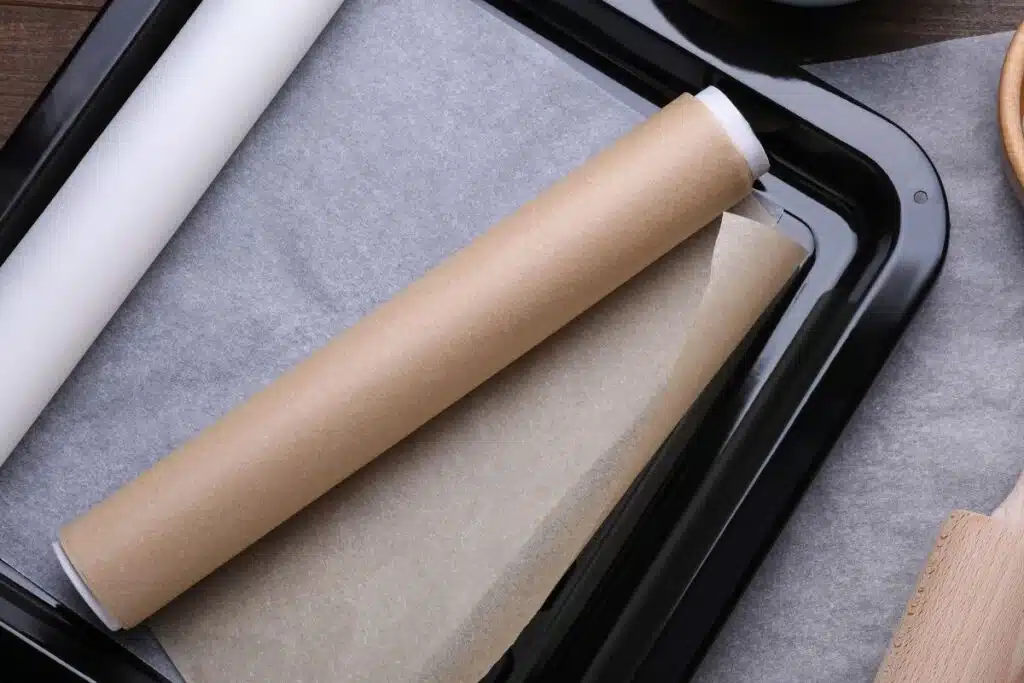
Baking paper and aluminum foil are two staples found in almost every kitchen. Whether you're lining a tray, wrapping food for the oven, or covering a dish for the fridge, having both on hand can make cooking a lot easier. But here's a question many home cooks ask: can you actually use baking paper instead of foil? It's a common swap people consider when they run low on one material or simply want to make a healthier or more eco-friendly choice during meal prep.
The short answer is yes, in many situations you can. Baking paper (also called parchment paper) is great for lining baking sheets, making sure cookies and roasted vegetables don't stick. It handles the oven's heat well and creates a non-stick surface without any added oil. Foil, on the other hand, is better when you need to cover food tightly to trap moisture or reflect heat back onto a dish. It's also ideal for grilling because it can withstand open flames and direct heat that would destroy parchment paper in seconds.
There are solid reasons why this swap matters for everyday families and communities. Baking paper is generally more non-toxic than foil since aluminum has been questioned by some health advocates for potential leaching into acidic foods over long cooking times. Choosing baking paper also reduces reliance on single-use metal products, which supports a small step toward more sustainable kitchen habits. For families trying to make greener choices, switching to parchment for certain tasks is an easy and impactful adjustment.
Must Read
Think about real-life examples. Imagine a weeknight dinner where you're roasting chicken and vegetables on a sheet pan. Lining the tray with baking paper means less scrubbing and cleanup after the meal, while the food still cooks evenly. Now consider a busy parent prepping muffins for a school bake sale — baking paper liners keep every muffin neat and easy to remove. On the other hand, if you're wrapping a piece of salmon for the ocean in foil to lock in all that flavorful steam, foil clearly earns its place. Each material rides in when it's truly the right tool for the job.
Here are some practical tips to help you decide which one to reach for. Use baking paper when lining trays, wrapping individual portions loosely for the oven, separating layers in storage containers, or creating a makeshift piping bag. Reach for aluminum foil when covering roasting pans completely, crimping edges around fish on the grill, shining pans to reflect light (a clever life hack), or as sturdy insulation when keeping food warm. One simple rule: if the task involves trapping heat or moisture aggressively, foil is your friend; if it involves non-stick prevention, parchment wins hands down.
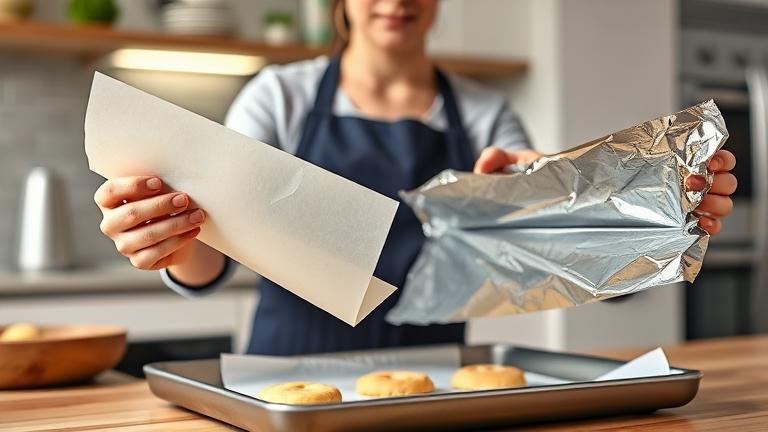 can i use wax paper instead of aluminum foil when baking? - Test Food
It's also worth noting that neither material is perfect for every recipe. Parchment paper isn't designed for boiling water or very high broil temperatures, and foil isn't great when you need food to remain perfectly visible while cooking. When you understand what each one does best, you build a smarter, more intentional kitchen routine that saves time, reduces waste, and produces better-tasting food every single time you cook.
In the end, having versatility in your kitchen is what makes mealtime smoother and more enjoyable. Baking paper and foil both have their special talents, and knowing when to swap one for the other puts you in greater control of your cooking. So the next time you reach into the drawer and think about can I use baking paper instead of foil, the answer is: absolutely, as long as it matches what the recipe asks for. A little kitchen knowledge goes a long way toward happier meals and a happier planet.