Can I Use Apple Cider Vinegar Instead Of White Vinegar

So, you’re mid-recipe, and you grab the white vinegar. Empty. Panic? No. Your eyes land on a bottle of apple cider vinegar. Can you swap them? The short answer: yes. But buckl...
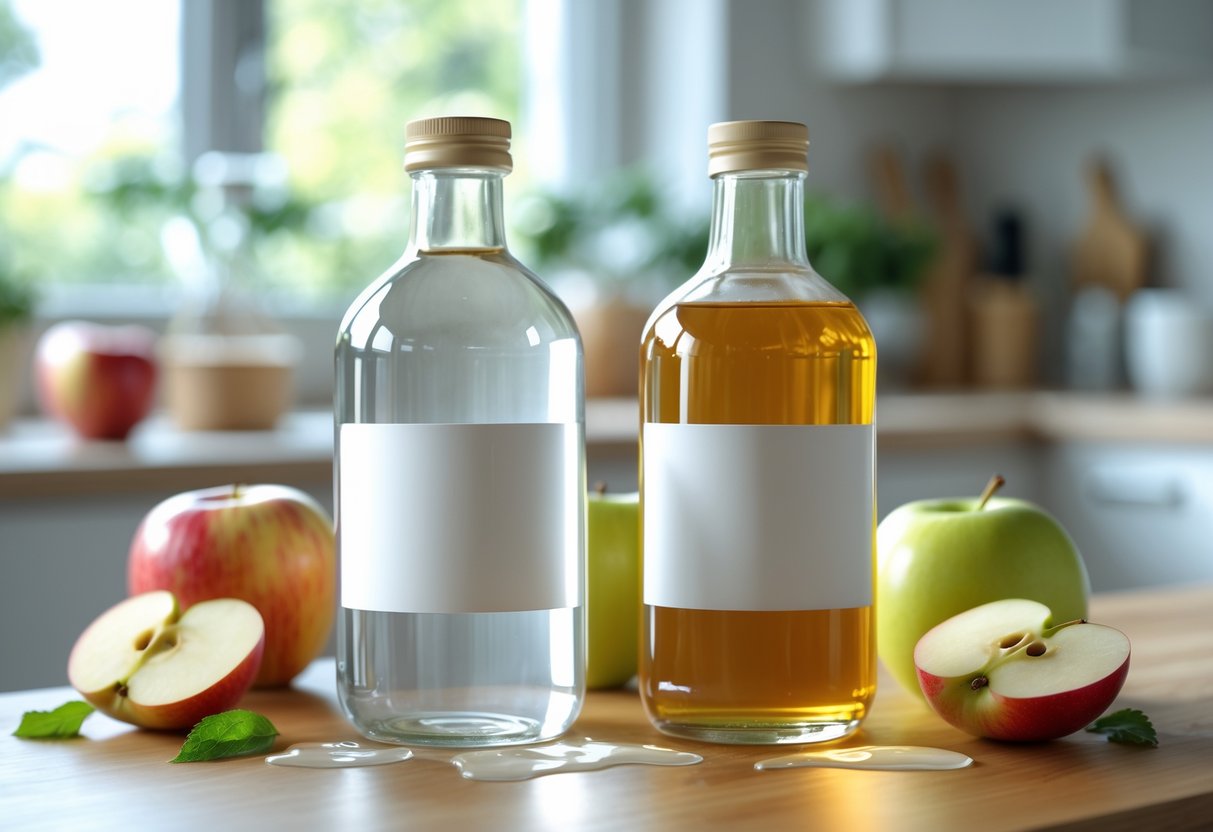
So, you’re mid-recipe, and you grab the white vinegar. Empty. Panic? No. Your eyes land on a bottle of apple cider vinegar. Can you swap them? The short answer: yes. But buckle up, because this kitchen switcheroo is weirder and way more fun than you think.
The Great Vinegar Identity Crisis
Here’s the deal: both are acetic acid dissolved in water. Chemically, they’re almost twins. But apple cider vinegar comes from fermented apple juice. White vinegar is made from grain alcohol. One smells like a salad bar; the other smells like a science lab.
That smell difference is where the magic (and the trouble) begins. Your pickles might taste like apples. Your cleaning spray might smell like a fruit bowl. That’s not bad—it’s just different. And different is where the fun lives.
Must Read
When to Say YES to Apple Cider Vinegar
Salad dressings? Absolutely. Apple cider vinegar is the star here. It’s fruity, mellow, and makes your vinaigrette sing. White vinegar is too harsh—it would yell in your salad.
Baking is a wild card. Apple cider vinegar reacts with baking soda just like white vinegar does. Your cakes will rise. But your cake might whisper “apple” instead of “neutral.” That’s a good thing if it’s a spice cake. Not so great for a plain vanilla.
Pickling is a risky adventure. Traditional pickling recipes call for white vinegar to keep the color bright. Apple cider vinegar will make your pickles cloudy and gently sweet. Some people love that. Others call it a crime. You decide.
The Cleaning Trap (Don’t Do It)
Here’s the funny part: people try to clean with apple cider vinegar. Stop. It contains natural sugars. You will literally mop your floor with a sticky, fermented invitation to ants. White vinegar evaporates clean. Apple cider vinegar leaves a film that smells like a rotten apple pie three days later.
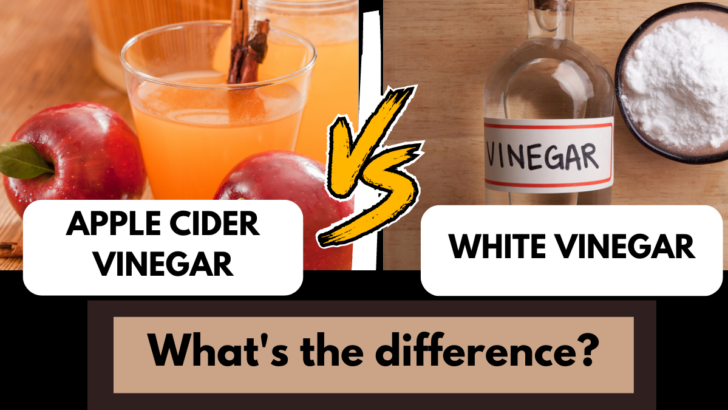 Apple Cider Vinegar vs. White Vinegar: What's The Difference?
One time, a friend used it to descale her coffee maker. The coffee tasted like cider doughnut for a week. She pretended it was intentional. It wasn’t. Stick to white vinegar for windows, counters, and laundry.
The Science of Sour Fun
Did you know apple cider vinegar has a “mother”? That’s the cloudy, stringy blob of good bacteria floating in raw versions. It’s like sourdough’s weird cousin. White vinegar has no mother. It’s an orphan in a sterile bottle.
That mother means apple cider vinegar is slightly alive. It continues fermenting—slowly—in your pantry. White vinegar sits there, as dead as a rock. Which is better? Depends if you want your kitchen to feel like a science experiment or a tomb.
The Taste Test You Need to Do
Grab two glasses of sparkling water. Add a splash of white vinegar to one. Add apple cider vinegar to the other. Taste both. The white vinegar tastes like static electricity. The apple cider vinegar tastes like a fizzy apple soda. You will laugh at how different they are.
 Apple Cider Vinegar Vs White Vinegar For Pickling: The Ultimate Verdict
Now imagine that difference in a recipe. That’s the fun of cooking. You’re not just swapping ingredients—you’re changing the story of the dish. Sometimes, a story with apples is better.
The Final Verdict (No Drama)
Can you use apple cider vinegar instead of white vinegar? Yes, if you know what you’re doing. For cooking, it’s often a delightful twist. For cleaning, it’s a sticky disaster.
Here’s the rule of thumb: if the recipe wants only acetic acid (like for dyeing eggs or making slime), use white. If the recipe wants personality, use apple cider. Your pickles will be rebels. Your cakes will have secrets. Your salad will be unforgettable.
So go ahead. Make the swap. Be a kitchen rebel. Just don’t mop your floor with it. Unless you want ants that smell like autumn. That’s on you.
