Can I Use All-purpose Flour In Place Of Bread Flour

Welcome to the wonderful, flour-dusted world of baking, where a single question can turn a simple recipe into a thrilling kitchen experiment. Have you ever been halfway throug...
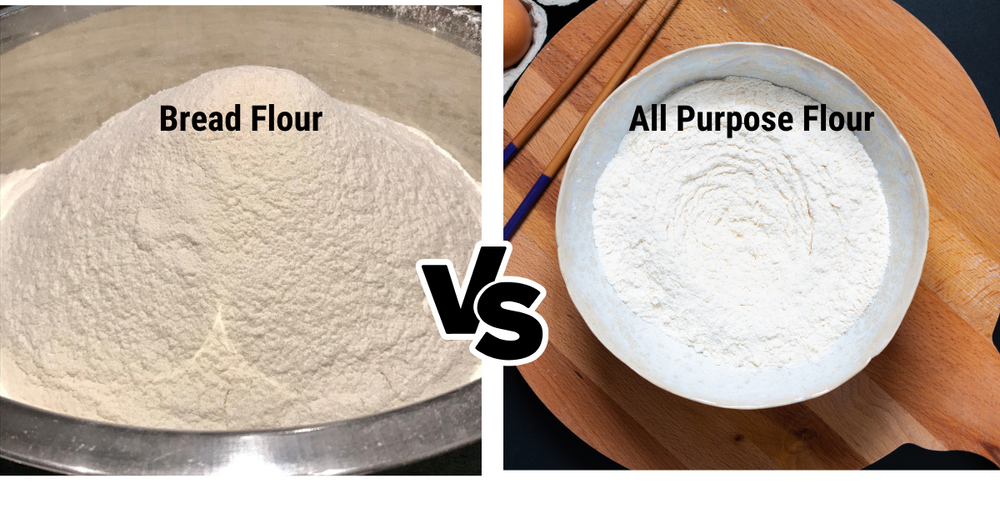
Welcome to the wonderful, flour-dusted world of baking, where a single question can turn a simple recipe into a thrilling kitchen experiment. Have you ever been halfway through a recipe for chewy bagels, artisan loaves, or crusty pizza dough, only to realize you’re completely out of bread flour? Panic not. The answer is a resounding yes, you can almost always use all-purpose flour in place of bread flour. This isn’t just a hack for emergencies; it’s a liberating secret that unlocks a world of creativity, saves you a trip to the store, and teaches you the true heart of baking: flexibility. The purpose of this guide is to show you how to turn a potential kitchen disaster into a triumph, and the advantages are many: less pantry clutter, more spontaneous baking, and a deeper understanding of how flour works. Let’s dive in and prove that great bread is born from confidence, not just a specific bag of flour.
First, let’s demystify the difference. Bread flour is a high-protein flour (12-14% protein), while all-purpose flour typically sits at a moderate 10-12%. That protein is the key to gluten, the elastic network that traps gas and gives bread its signature chewy crumb and lofty rise. When you swap all-purpose for bread flour, you’re simply reducing the potential for gluten development. The result? Your bread will still be wonderful, but it will be slightly softer, less chewy, and a touch more delicate. Think of it like swapping sturdy leather boots for comfortable sneakers—both will get you where you’re going, but the walk feels different. For recipes like soft sandwich loaves, dinner rolls, or sweet enriched doughs (like brioche or cinnamon rolls), this swap is nearly invisible. In fact, many professional bakers argue that all-purpose makes a superior scone, pancake, or tender biscuit because you don’t want tough gluten there. So the creative win is clear: you can use all-purpose to intentionally soften the texture of anything from pizza crust to focaccia, giving it a more pillowy, homey appeal.
But what about those recipes that seem to demand bread flour’s strength—a classic sourdough boule, a baguette, or a chewy New York-style bagel? Here’s where your inner baker shines. The secret isn’t just swapping flour; it’s adjusting technique. Because all-purpose has less protein, you need to work a bit harder to develop gluten. The classic solution is a longer, slower rise. If your recipe calls for a 2-hour proof, try stretching it to 3 or even 4 hours at a cool room temperature, or refrigerate the dough overnight for a cold fermentation. This extended time gives the gluten in all-purpose flour more opportunity to cross-link and strengthen. Another pro tip: use the “windowpane test.” Take a small ball of your dough and gently stretch it between your fingers—if it forms a thin, translucent sheet without tearing, your gluten is developed enough. If it rips easily, knead it a few more minutes. For a final creative boost, you can add a tablespoon of vital wheat gluten to your all-purpose flour (about 1 tablespoon per cup) to bump up its protein content to bread flour levels. This is like giving your all-purpose a superpower—it instantly mimics bread flour’s structure, perfect for ambitious projects.
Must Read
Let’s get practical with some fun, real-world examples. Imagine you’re craving no-knead artisan bread. This recipe relies on a long, gentle fermentation (12-18 hours) precisely because it uses low-protein flour for a soft, airy crumb. Using all-purpose here is ideal—the long rest develops just enough gluten for a beautiful, open texture. Or consider pizza: a classic Neapolitan pizza uses high-protein “00” flour, but for a home oven, all-purpose makes a crispier, less chewy crust that many people prefer. Simply roll the dough thinner and preheat your baking steel or stone for 45 minutes. For enriched doughs (like buttery croissants or sweet doughs for cinnamon rolls), all-purpose is actually better. The added fats (butter, sugar, eggs) already tenderize the dough, and high-protein bread flour can make it tough and dense. So swap freely here! The key takeaway: all-purpose is a chameleon in the kitchen, adapting to your needs if you give it time and a little TLC.
Here are some practical tips to ensure success every time. First, measure by weight, not volume. A cup of all-purpose flour can vary by 20-30 grams depending on how you scoop it, which drastically affects hydration. Use a kitchen scale (1 cup of all-purpose flour = 120-125 grams; 1 cup bread flour = 130-135 grams). Second, reduce the liquid slightly if you’re making a wet dough. Bread flour absorbs more water due to its higher protein, so all-purpose may result in a stickier dough. Start with 5-10% less water, then add more if needed. Third, don’t fear a longer bake. All-purpose crumb is often softer, so a slightly higher oven temperature (by 10-15°F) or an extra 5 minutes can help set the crust and prevent a gummy interior. Finally, embrace the imperfections. Your first loaf with all-purpose might be a little shorter or less airy than one made with bread flour, but it will smell like heaven, taste delicious, and be yours. That’s the true joy of baking—the journey of discovery.
 Bread Flour vs. All-Purpose Flour: Which Has More Protein?
Beyond bread, think of all-purpose flour as your universal baking partner. Use it for cookies, cakes, muffins, pie crusts, pasta, and even thickening sauces. The advantage? One bag replaces three, simplifying your pantry and reducing waste. If you’re a regular baker, consider keeping both flours on hand: bread flour for chewy projects (pretzels, bagels, artisan loaves), and all-purpose for everything else. But if you can only have one? All-purpose wins every time. It’s the Swiss Army knife of flours—capable of making a simple sandwich loaf, a tender scone, or, with a few tricks, a crusty boule that will impress your friends.
So next time you’re staring at a recipe that calls for bread flour, ask yourself: “What do I want my bread to feel like?” If you want a soft, tender, and comforting result, all-purpose is the answer. If you want a chewy, dramatic ear on your sourdough, you can still get there with a long rise and a gentle hand. The moral of this flour story? Baking is an art, not a science of rigid rules. All-purpose flour is your invitation to experiment, to be creative, and to learn that the best bread comes from confidence in your own kitchen, not a specialized ingredient. Go ahead, bake something today—and remember, even if it isn’t perfect, it will still be delicious, because you made it.
