Can I Substitute White Vinegar For Apple Cider Vinegar

There’s something almost magical about the humble bottle of vinegar sitting in your pantry. Whether you’re a home cook perfecting a tangy salad dressing, a DIY enthusiast craf...
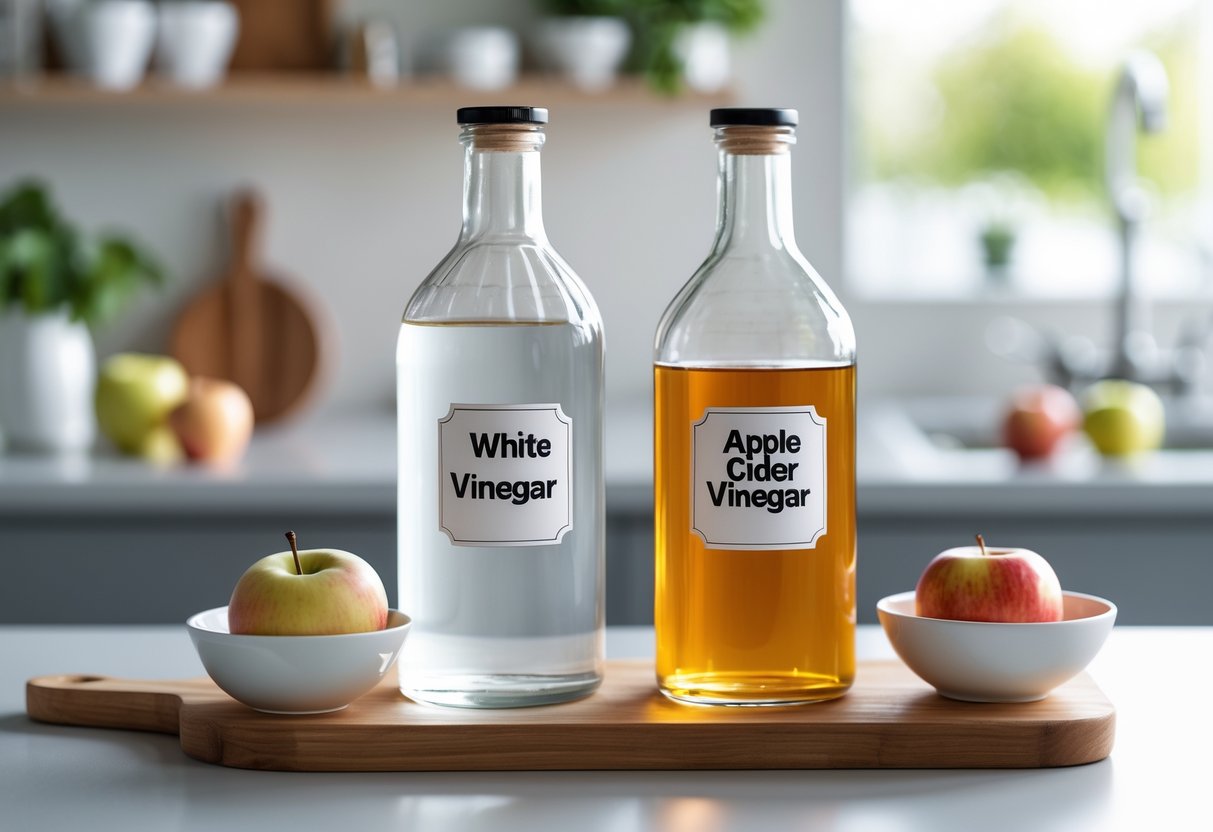
There’s something almost magical about the humble bottle of vinegar sitting in your pantry. Whether you’re a home cook perfecting a tangy salad dressing, a DIY enthusiast crafting natural cleaning solutions, or a health-conscious individual sipping an “ACV tonic” for digestion, vinegar is a quiet workhorse. Its key purpose is to provide bright acidity—that sharp, sour note that balances flavors, preserves food, and even cuts through grease. For everyday life, vinegar offers a versatile, affordable, and natural way to enhance meals, clean your home, and support personal wellness routines.
But when a recipe calls for apple cider vinegar (ACV) and you only have white vinegar on hand, a common question arises: “Can I substitute white vinegar for apple cider vinegar?” The short answer is yes—but with important caveats. Both are acetic acid solutions (typically 5% acidity), which means they serve chemically similar roles in cooking, preserving, and cleaning. However, their flavor profiles are distinct. White vinegar is sharp, neutral, and aggressively tangy, while apple cider vinegar carries a mild, fruity, and slightly sweet undertone from fermented apples. This difference matters most when the vinegar’s taste is meant to shine through.
Consider a scenario: you’re making a classic coleslaw dressing that calls for apple cider vinegar. If you use white vinegar, the result will be harsher and less mellow—the fruity sweetness that softens the cabbage and mayonnaise will be missing. Similarly, in a homemade vinaigrette for a fruit-forward salad (think strawberries or peaches), white vinegar can overpower the delicate flavors. However, for recipes where vinegar plays a background role, such as in marinades, pickling brines, or savory braises, the substitution works beautifully. For example, a chicken marinade with herbs, garlic, and white vinegar will still tenderize the meat and add acidity without a noticeable flavor clash.
Must Read
Beyond cooking, the substitution is nearly seamless in household and health applications. White vinegar is actually preferred for many DIY cleaning solutions because it is colorless and leaves no residue—apple cider vinegar’s darker hue can stain light fabrics or surfaces. For a natural glass cleaner or countertop spray, white vinegar is the standard. In wellness routines, such as taking a diluted vinegar drink for digestion, white vinegar is technically safe but lacks the probiotic benefits sometimes associated with raw, unfiltered apple cider vinegar. If your goal is the “mother” culture’s potential gut-health effects, then substituting white vinegar will not replicate those benefits. For basic acidity support, however, it will suffice.
To master this swap, here are a few simple tips. First, adjust the quantity: white vinegar is slightly stronger, so start by using about three-quarters of the amount called for in the recipe, then taste and add more if needed. Second, sweeten the deal: if the recipe’s character depends on ACV’s fruitiness, add a pinch of sugar or a splash of apple juice alongside the white vinegar to mimic that sweetness. Third, match the context: use white vinegar boldly in pickles, marinades, and cleaning tasks, but reserve apple cider vinegar for recipes where its nuanced flavor is the star—like in chutneys, a savory glaze for pork, or a morning tonic with lemon and honey.
 what can i use instead of apple cider vinegar - Larrea | Restaurant in
Another key insight: heat changes everything. In cooked dishes, the sharpness of white vinegar generally mellows as it simmers, making it a reliable stand-in for stews, soups, or slow-cooked beans. For instance, a pot of Southern-style collard greens that calls for ACV can use white vinegar without ruining the dish—just add a dash of smoked paprika or a bit of honey to round out the flavor. Conversely, in no-cook applications like salad dressings or sauces (e.g., açaí vinaigrette or a fresh salsa), the substitution is more risky. Taste as you go, and consider diluting with a splash of water or oil to soften the bite.
Ultimately, the answer depends on your priorities. If you value taste and want the recipe to shine, stick with apple cider vinegar or accept a slightly different result. If convenience and practicality rule your kitchen—and you don’t mind a more intense, less fruity edge—white vinegar is a perfectly fine stand-in. Experiment with half-and-half blends: use half white vinegar and half apple cider vinegar to bridge the gap. The beauty of vinegar is its forgiving nature, so don’t be afraid to swap, taste, and adjust. Your culinary and household experiments will teach you more than any guide ever could.