Can I Substitute Mascarpone For Cream Cheese

There's something wonderfully satisfying about discovering that two ingredients in your kitchen are more interchangeable than you ever realized. The question of whether you ca...
There's something wonderfully satisfying about discovering that two ingredients in your kitchen are more interchangeable than you ever realized. The question of whether you can substitute mascarpone for cream cheese sits right at that delightful intersection of practicality and culinary curiosity. Whether you're planning a last-minute cheesecake, stirring together a creamy pasta sauce, or simply trying to make do with what's in your fridge, knowing how these two rich, velvety ingredients relate to each other can save you a trip to the store and unlock new possibilities in the kitchen. This topic appeals to home bakers, busy parents, aspiring chefs, and anyone who loves cooking without overthinking it.
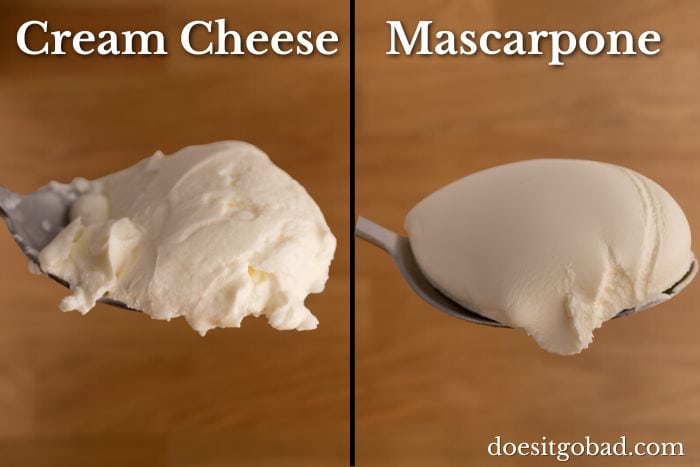
Mascarpone and cream cheese are both soft, spreadable cheeses with a similar buttery profile, which makes them natural candidates for substitution. Cream cheese, the kind most of us grew up with on bagels, is made from cow's milk and has a slightly tangy, acidic edge from lactic acid cultures. Mascarpone, originating from northern Italy, is crafted from heavy cream that's gently acidified with citric or tartaric acid, giving it an incredibly smooth, almost custard-like texture that's noticeably richer and less tangy. Both are beloved worldwide — think of classic New York cheesecake or Italian tiramisu — and that shared familiarity makes swapping between them feel intuitive rather than risky.
In everyday cooking, the substitution works remarkably well in many common dishes. You can stir mascarpone into cream cheese frosting for an extra-silky finish, blend it into whipped dips for your next party, or swap it one-for-one in cheesecake batters without losing structure. People also recognize this swap in pastas like fettuccine Alfredo, where either cheese creates a luscious, coating sauce. Savory spreads, stuffed mushrooms, and even overnight oats all tolerate the exchange gracefully. The key takeaway is that when the cheese plays a supporting or enriching role, mascarpone steps in beautifully without dramatically altering the final result.
Must Read
Of course, there are a few situations where the swap deserves a bit more caution. Because mascarpone is richer and has no tangy bite, baked goods that rely on cream cheese's acidity for flavor balance — like a classic frosted carrot cake — may taste slightly different. You might want to add a small squeeze of lemon juice or a teaspoon of sour cream to mimic that brightness. Similarly, if you're making a no-bake cheesecake where structure matters, mascarpone's higher fat content can make the texture a touch softer, so chilling the dessert longer helps. For deep tang-based desserts like cheesecake sundaes or pimento cheese, cream cheese itself might actually be the better fit.
 Can You Substitute Cream Cheese for Mascarpone? Recipe Uses & Tips
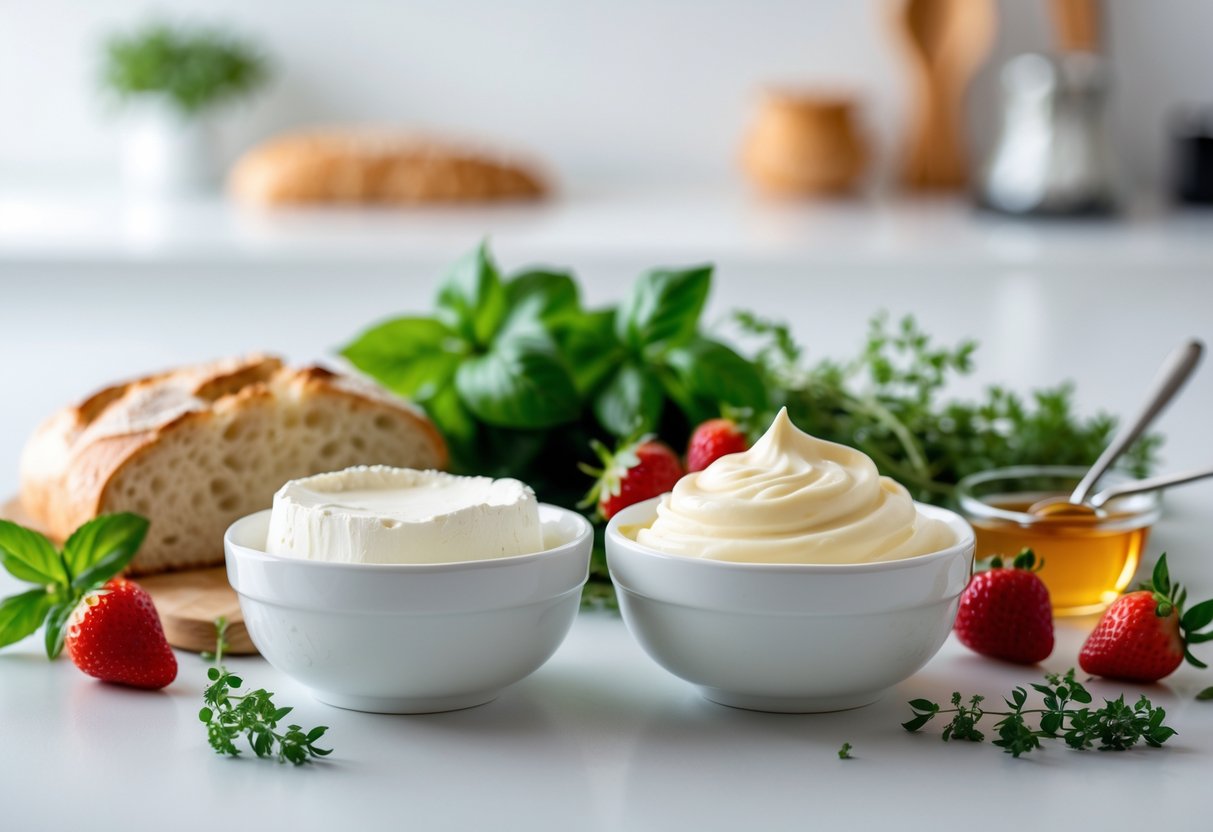
Here are a few simple, actionable tips to make the most of this substitution: start with a one-to-one ratio — one cup of cream cheese equals one cup of mascarpone — and adjust from there by taste. Bring both ingredients to room temperature before mixing, as mascarpone softens quickly and can become too fluid if warmed too much. If the dish needs extra tang, add a few drops of lemon juice. Master chefs often blend half mascarpone and half cream cheese for recipes that need both richness and a subtle sharpness, giving you the best of both worlds.
Ultimately, whether you reach for mascarpone or cream cheese depends on the mood of the dish and what's handy at the moment. Neither choice is wrong, and the joy of cooking lies precisely in these small, confident decisions. So the next time your recipe called for cream cheese and you find a tub of mascarpone instead, don't pause — go ahead and indulge in the swap, and let your taste buds tell you the story.