Can I Substitute Condensed Milk For Evaporated Milk

Welcome to the wonderfully sticky, occasionally confusing world of canned milks! If you’ve ever stood in the baking aisle, staring at two almost identical cans—one labeled swe...

Welcome to the wonderfully sticky, occasionally confusing world of canned milks! If you’ve ever stood in the baking aisle, staring at two almost identical cans—one labeled sweetened condensed milk and the other evaporated milk—you are not alone. This is one of the most common kitchen mix-ups, and it’s also a fantastic little puzzle to solve. Why is it fun? Because understanding the difference unlocks a secret superpower in your pantry: the ability to tweak recipes, save a dessert, or even create something entirely new. The purpose here is to demystify these two dairy cousins, showing you that while they aren’t twins, they can occasionally pinch-hit for each other—with a few clever adjustments. The advantage? You’ll never panic when a recipe calls for one and you only have the other, and you’ll gain a deeper appreciation for how a little sugar or heat transforms simple milk into two very different stars.
Let’s start with the cheat sheet: evaporated milk is just milk that has had about 60% of its water removed. It’s creamy, slightly caramelized from the heating process, and unsweetened. Its main job is to add richness without the sugary punch. Sweetened condensed milk, on the other hand, is also evaporated milk, but with a huge dose of added sugar (usually around 40-45% sugar by weight). It’s thick, syrupy, and almost jam-like. So, the short, disappointing answer to “Can I substitute one for the other?” is: not directly. If you swap condensed milk for evaporated milk in a savory soup or a mashed potato dish, you will end up with a weirdly candy-sweet disaster. But here’s the creative twist: you can make it work with a little culinary alchemy. For example, if a recipe calls for evaporated milk and all you have is condensed, your best bet is to dilute it with water (roughly ¾ cup water to ½ cup condensed) and then add a pinch of salt to balance the sweetness—but know that the result won’t be perfect for delicate sauces.
Now for the more common and exciting scenario: substituting condensed milk for evaporated milk in desserts. This is where the fun really begins. Imagine you’re making a key lime pie or a tres leches cake, and the recipe begs for both sweetened condensed milk and evaporated milk. If you’re out of condensed, you can’t just dump in more evaporated—it won’t have the oomph. But here’s a pro move: make your own “mock condensed milk” by simmering a can of evaporated milk with a cup of white sugar until it thickens. Yes, it’s a bit of a science project, but it works beautifully. Similarly, if a dessert calls for evaporated milk but you’re holding a can of sweetened condensed, you can use it as a richer, sweeter base. For instance, in a pumpkin pie, swap half the evaporated milk for a reduced amount of condensed (about ⅔ cup of condensed, plus a splash of water) and cut the recipe’s sugar by ⅓. The result? A denser, almost fudge-like pie that some people actually prefer. The number one tip here is always: the sugar factor. Always, always adjust the sugar in your overall recipe.
Must Read
Let’s get creative with a few real-life examples. Think about your morning coffee or tea. If you love that thick, syrupy taste of Vietnamese iced coffee, you need sweetened condensed milk. But what if you only have evaporated milk? No problem: just stir a spoonful of honey, maple syrup, or simple sugar into the evaporated milk before adding it to your brew. It won’t be as thick, but it will be delightfully creamy and sweet. Conversely, if you’re making a creamy pasta sauce and you mistakenly grab the condensed milk, turn it into a caramelized pasta sauce! Use it sparingly—say, a tablespoon—with a strong tomato base and a dash of chili flakes. The sugar will caramelize beautifully in the pan, giving your sauce a deep, almost Mexican-candy kind of richness. Another favorite trick: if you’re baking cookies and a recipe calls for evaporated milk (like a classic oatmeal cookie), but you have condensed, try using half the amount of condensed, then add a splash of milk or water to thin it, and reduce the white sugar in the dough by two tablespoons. The cookies will be chewier and more golden.
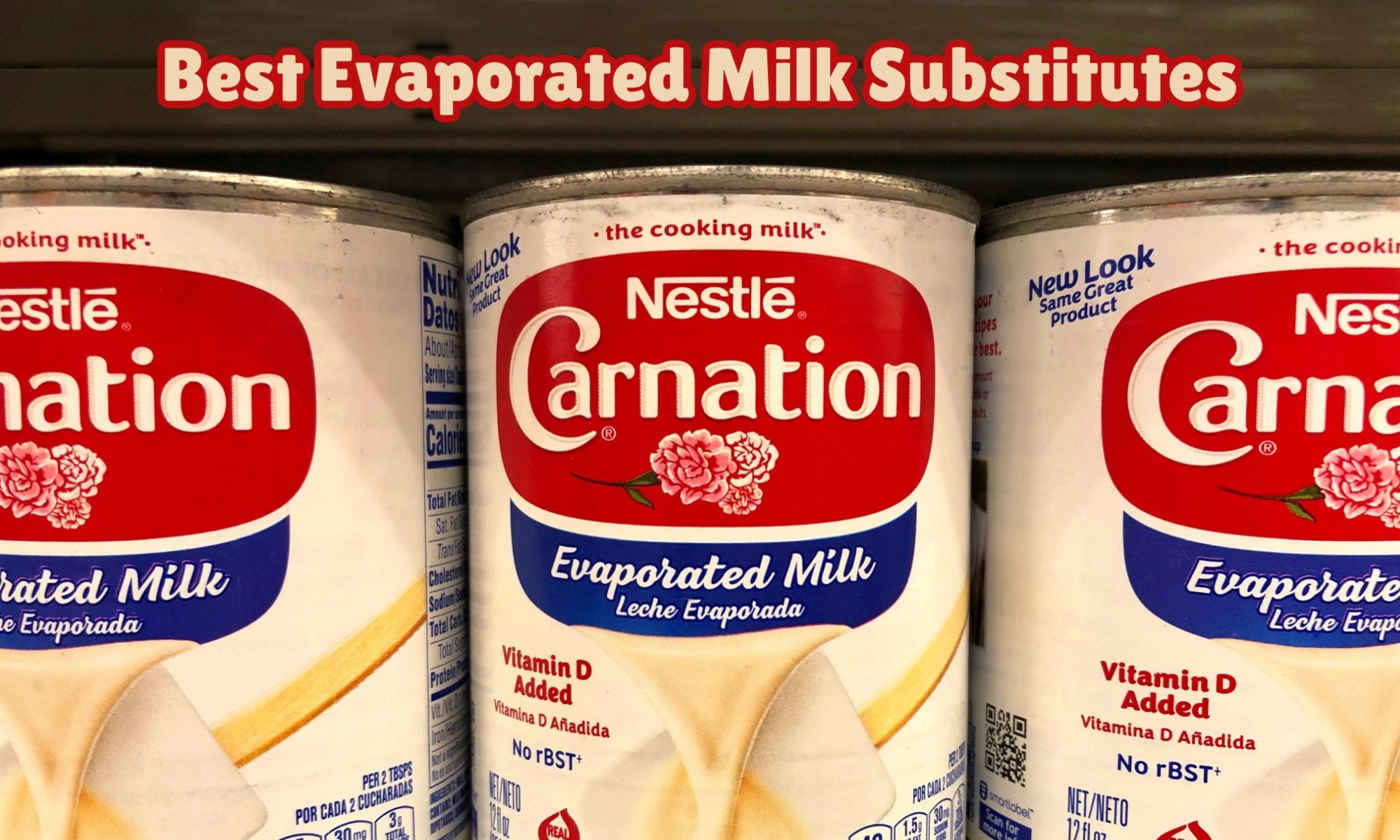 Ideal Evaporated Milk The Best Evaporated Milk Substitutes | The
Here’s your practical, no-fail tip for making the substitution work every time: think of sweetness and thickness as two separate dials. When replacing evaporated with condensed, turn the sweetness dial way down (add plain water or unsweetened milk) and turn the thickness dial down (don’t use as much). When replacing condensed with evaporated, you need to turn the sweetness up (add sugar or honey) and turn the thickness dial up (simmer it down or add a tiny bit of cornstarch slurry). Also, keep a mental note of acidity. Condensed milk is more acidic due to its sugar content, so if your recipe has baking soda, it may bubble more. That’s okay—just be prepared. And never, ever use condensed milk in a recipe where the sweet flavor will clash, like a creamy mushroom soup or a cheese sauce. In those cases, it’s better to run to the store for the right can, or use a different substitute altogether (like a mix of whole milk and heavy cream).
Finally, remember that the best part of this substitution game is the discovery. Maybe you’ll accidentally create a new family favorite. For instance, if you have a recipe for fudge that calls for condensed milk, but you only have evaporated and a bit of powdered sugar, you can make a lower-sugar, lighter-colored fudge by whisking the evaporated milk with powdered sugar and cocoa powder. It won’t be as chewy, but it will be creamy and less cloying. Or, if you’re making a batch of banana pudding and you’re out of condensed milk, try using evaporated milk whisked with a few tablespoons of brown sugar—it gives the pudding a lovely caramel-note twist. The key takeaway? Don’t be afraid to experiment. Write down what you did. Taste as you go. These cans are more flexible than they look, and with a little sugar, water, or patience, you can often make one stand in for the other. So next time you find yourself in a canned-milk bind, smile, take a deep breath, and remember: it’s just milk and sugar—you’ve got this.
