Can I Substitute Almond Flour For Coconut Flour

Picture this: you’re barefoot in your kitchen, halfway through a gluten-free brownie recipe, and you reach for the almond flour. But your pantry only coughs up a sad, half-emp...

Picture this: you’re barefoot in your kitchen, halfway through a gluten-free brownie recipe, and you reach for the almond flour. But your pantry only coughs up a sad, half-empty bag of coconut flour. Your first thought? “Eh, they’re both flour, right? What’s the worst that could happen?” Oh, my sweet, summer child. Let me save you from a baking disaster that smells like a tropical vacation but eats like a beach towel.
The Great Flour Face-Off
Let’s get the headline out of the way: No, you cannot simply swap almond flour for coconut flour in a 1:1 ratio. If you try, you will not get a brownie; you will get a dense, crumbly hockey puck that tastes vaguely of sadness and regret. I’ve done it. My oven still gives me side-eye.
Almond flour is made from blanched almonds—basically, nutty little clouds of fat and protein. Coconut flour, on the other hand, is the desiccated, high-fiber ghost of a coconut after all the milk has been squeezed out. These two flours are like comparing a fluffy duvet to a brick of sandpaper.
Must Read
The biggest shocker? Coconut flour absorbs liquid like a sponge on steroids. One cup of coconut flour can drink up three to four cups of liquid before it even thinks about getting moist. Almond flour is a rookie in comparison—it holds onto liquids like a miser hoards gold.
The Math Problem You Didn’t Sign Up For
If you’re stubborn and want to try a substitution, here’s the magic formula: for every 1 cup of almond flour, use about ¼ cup of coconut flour. But wait—you also need to add one extra egg for every ¼ cup of coconut flour you use. Yes, your recipe just became an egg-laying contest.
Why the eggs? Because coconut flour is a texture terrorist. Without extra eggs, your baked goods will crumble into a pile of sand that makes a flourless chocolate cake look rock-solid. The eggs act as glue, binding the thirsty coconut flour into something resembling a dessert instead of a science experiment.
Oh, and you’ll also need to add a splash more liquid—milk, water, or even booze if you’re feeling adventurous. Think of it as negotiating a hostage situation between dry ingredients and your oven.
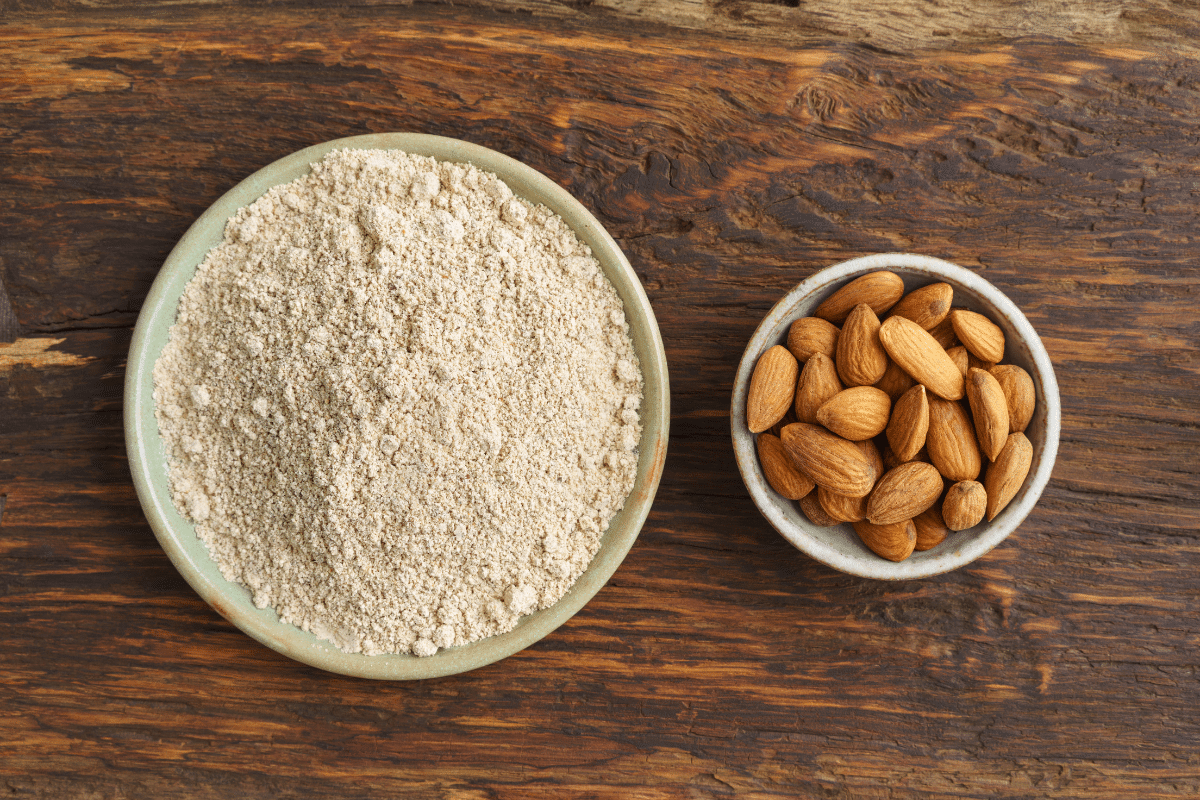 5 Best Substitutes For Coconut Flour
Flavor: The Good, The Bad, and The Coconutty
Almond flour has a mild, buttery taste that plays nice with almost everything—chocolate, vanilla, even savory dishes. Coconut flour, meanwhile, is like that friend who shows up to every party uninvited and starts talking loudly about the tropics. Your cookies will taste like a piña colada whether you wanted that or not.
If you’re making a recipe that pairs well with coconut—like Thai curry, mango desserts, or anything involving rum—then go for it. But if you’re trying to substitute coconut flour into a delicate lemon cake? Prepare for your guests to ask, “Why does this have a tropical aftertaste?” while you fake a coconut craving.
A surprising fact: coconut flour is actually lower in carbs and higher in fiber than almond flour. So if you’re on a keto diet and miss having a digestive system that works, coconut flour is your best friend—just don’t feed it to anyone who’s expecting a fluffy pancake.
When It Actually Works (I Promise)
There is one scenario where substituting coconut flour for almond flour isn’t a crime against baking: when the recipe is already designed for coconut flour. That’s like saying you can swap a bicycle for a unicycle—technically both have wheels, but only one will give you a hernia.
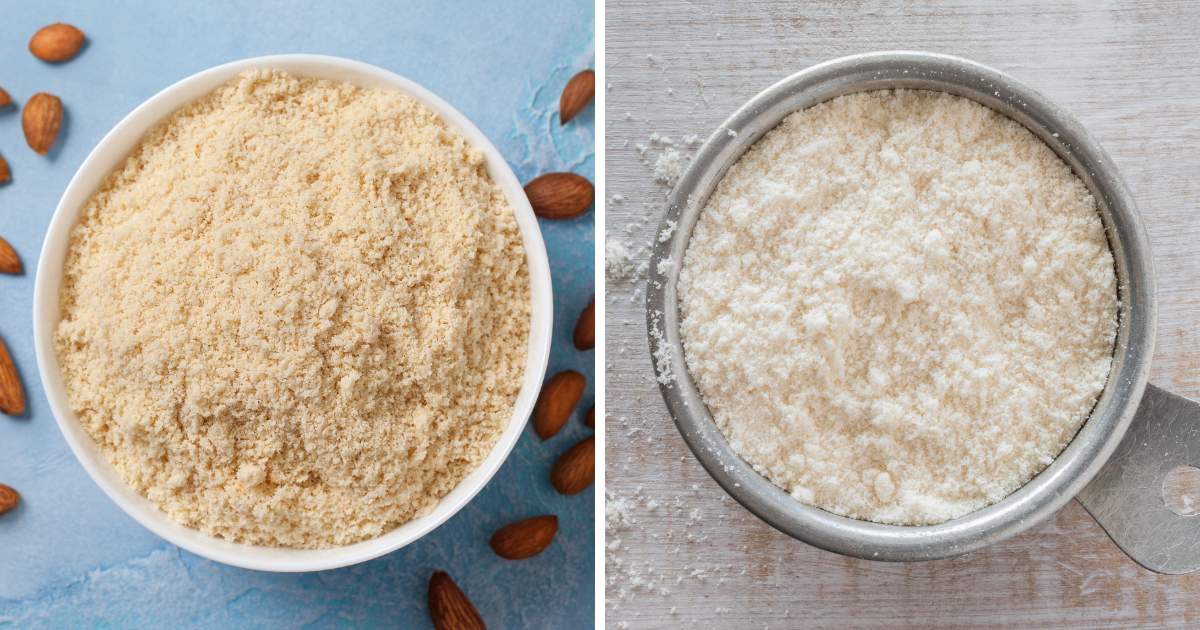 Almond Flour vs. Coconut Flour Face-Off: Which is Best?
For example, if you find a specific “coconut flour brownie” recipe, use coconut flour. If it says “almond flour,” stick with almonds. Don’t be the chef who tries to fake it—I’ve seen grown adults cry into a plate of rubbery cookies.
Also, coconut flour works beautifully in recipes that need a dense, moist crumb, like fudgy brownies or mug cakes. Just remember the egg-army requirement and you might end up with something edible. Maybe even good.
The Verdict (Served with a Side of Sass)
So, can you substitute almond flour for coconut flour? Technically yes, practically no—unless you’re prepared to rewrite your recipe like a frantic scientist. You’re better off buying a bag of almond flour or accepting that your life now includes a backup plan: the local bakery.
My advice? Keep both flours in your pantry, but treat them like ex-lovers. They operate alone. If you must embrace the chaos, start with a small batch and prepare for a texture surprise. And when your friends ask why your cake tastes like a beach in a blender, just smile and say, “It’s art, honey.”
Now, go forth and bake—or don’t. You can always just eat the almonds straight from the bag and call it a balanced breakfast. I won’t judge.
