Can I Sub Cocoa Powder For Cacao Powder

Okay, let’s get this out of the way: You’re standing in your kitchen, staring at a recipe that demands cacao powder, but all you have is that dusty can of cocoa powder from la...
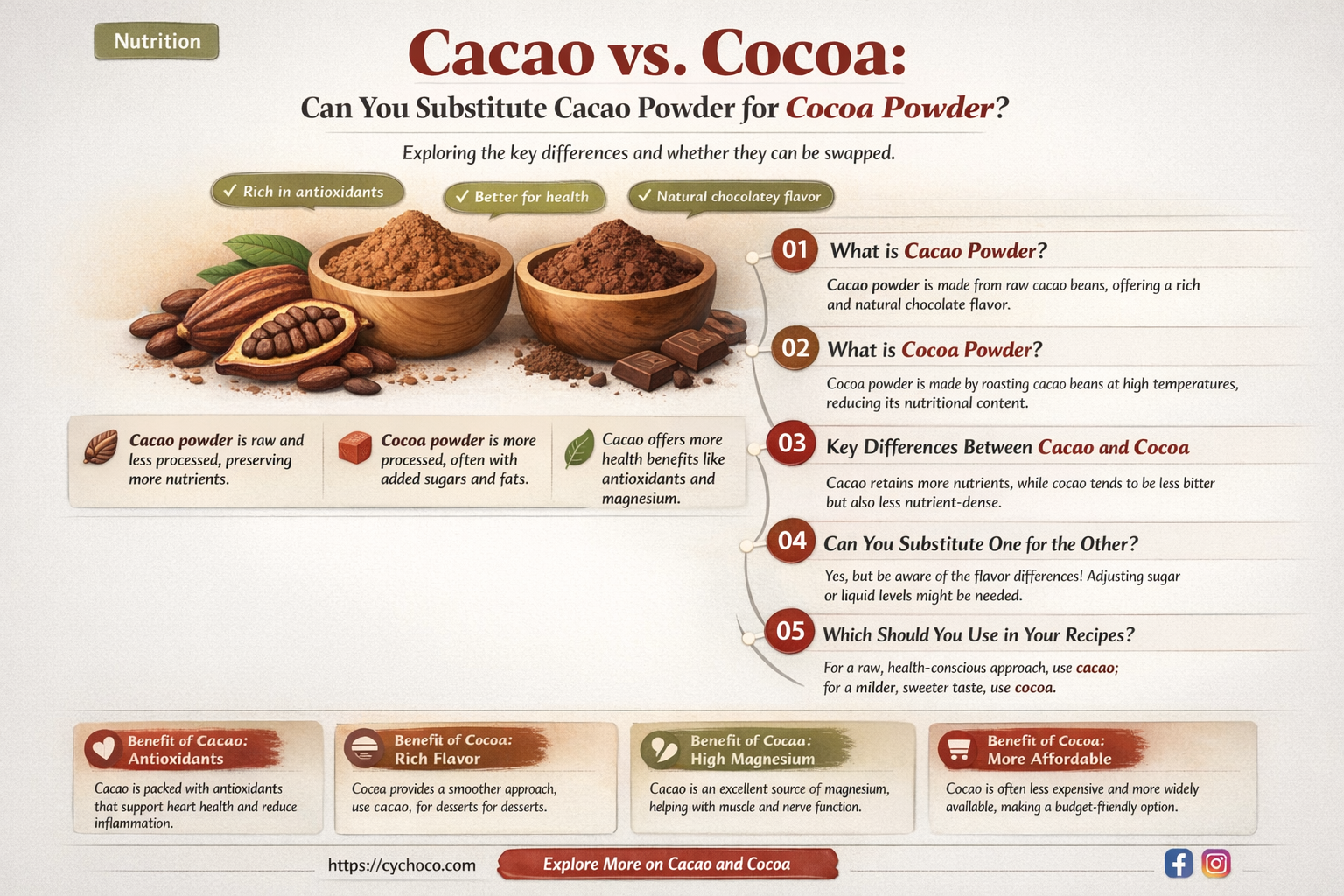
Okay, let’s get this out of the way: You’re standing in your kitchen, staring at a recipe that demands cacao powder, but all you have is that dusty can of cocoa powder from last year’s baking spree. You’re thinking, “It’s brown, it’s powdery, it’s chocolate-y. What’s the big deal?” I feel you. I’ve been there—mid-recipe, one sock on, hair a mess, and a desperate need for brownie therapy.
Here’s the honest truth, friend: Yes, you can substitute cocoa powder for cacao powder, but it’s a bit like swapping a Lululemon legging for a pair of sweatpants from your college dorm. Both will get you through a yoga class, but one is raw, unapologetic, and athlete-level, while the other is cozy, processed, and totally okay for Netflix binges. Let’s break it down.
First, a quick science snack: Both powders come from the cacao bean, but they take very different roads to your pantry. Cacao powder is the raw, rebellious teenager—it’s made by cold-pressing the beans, keeping all those antioxidants, magnesium, and mood-boosting flavonoids intact. Cocoa powder, on the other hand, is the roasted, mellowed-out adult. It’s been fermented, roasted, and often alkalized (that’s “Dutch-process” for you fancy folks), which gives it a smoother, less bitter taste and a darker color—but it also charrs away some of those precious nutrients. So, health-wise? Cacao is the MVP. Flavor-wise? Cocoa is the friend who shows up with wine and doesn’t judge your messy kitchen.
Must Read
Now, for the swap itself, tread carefully with liquid. Cacao powder is thirsty—it absorbs more liquid than cocoa because it hasn’t been roasted. If you just do a 1:1 swap in a cake batter, you might end up with a dry, crumbly situation that tastes like a very sad, healthy cardboard. My rule of thumb? Add an extra tablespoon of milk, water, or oil per ¼ cup of cacao if you’re subbing it for cocoa. And if you’re using cocoa instead of cacao? No worries—cocoa is less absorbent, so your batter will be a touch wetter, but it’ll bake up just fine. You might notice a slightly less intense “raw” chocolate flavor, but nobody’s going to call the baking police (I checked—they’re all on vacation).
Here’s where it gets fun: If your recipe calls for hot liquid—like in a mug cake or a vegan brownie—use Dutch-process cocoa for a richer, velvet finish. Cacao in hot liquid can get a little... grainy and weird (it’s sensitive, bless it). For cold recipes like smoothies or no-bake energy balls, cacao is a superstar—it’s bold, unrefined, and makes you feel like you’re living in a wellness influencer’s Instagram. Cocoa will work too, but it’ll taste more like a childhood hot chocolate than a superfood bowl. Both are valid. Both are delicious. The choice is yours.
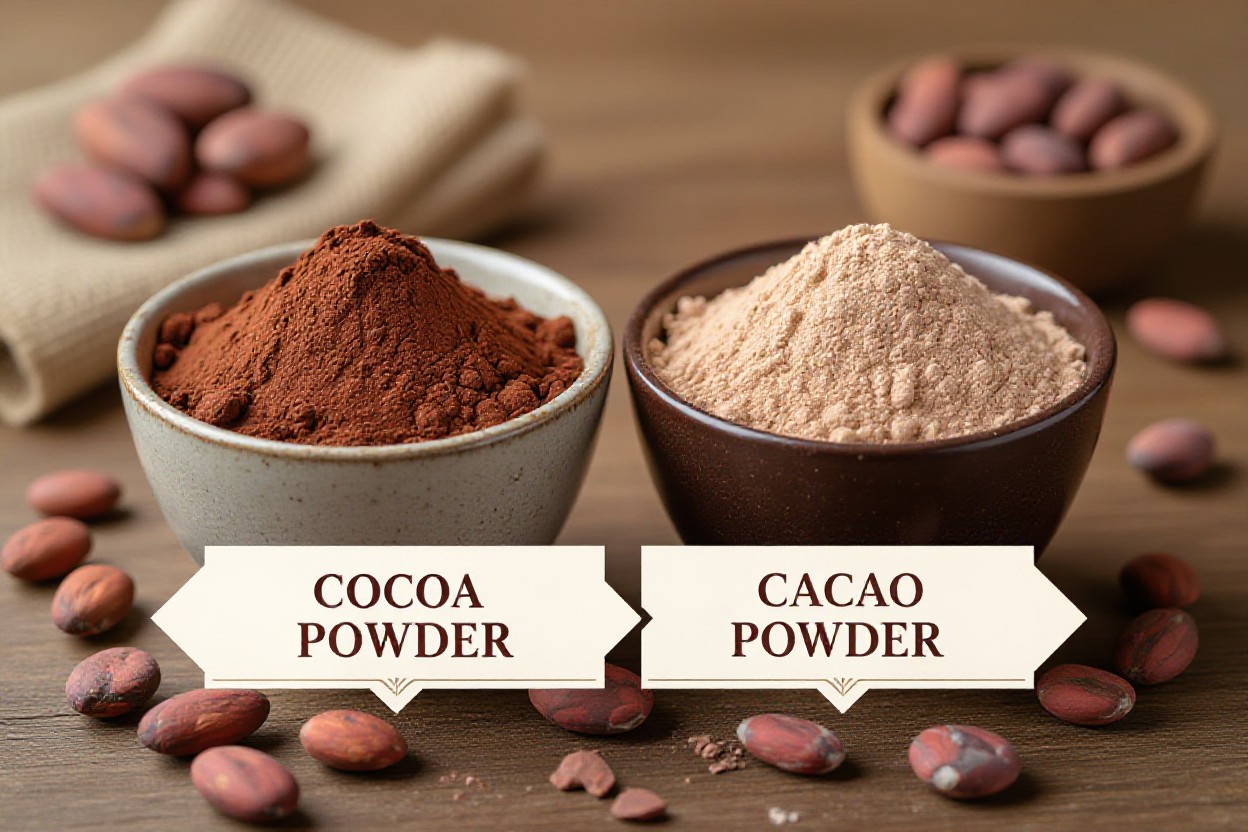 Cocoa Powder vs. Cacao Powder: Processing Differences and Health
And please, whatever you do, don’t stress. Unless you’re baking for a Michelin star chef who sniffs out alkalized powders like a truffle pig, the world will not end. The most important ingredient in any recipe is the joy you bring to it. So if you use cocoa when cacao is called for, just laugh, add a little extra splash of oat milk, and call it “a happy accident.” Or if you use cacao and your cake comes out a little dense, just tell everyone it’s artisan. They’ll nod and ask for seconds.
So go ahead, swap away. Embrace the beautiful mess of being a human who forgets to buy cacao powder. Because at the end of the day, whether you’re baking with the raw, mighty cacao or the cozy, familiar cocoa, you’re still making chocolate magic. And that’s something to smile about. Now get in that kitchen, crank up the music, and trust the process—both powders are just waiting to make your world taste a little sweeter.
