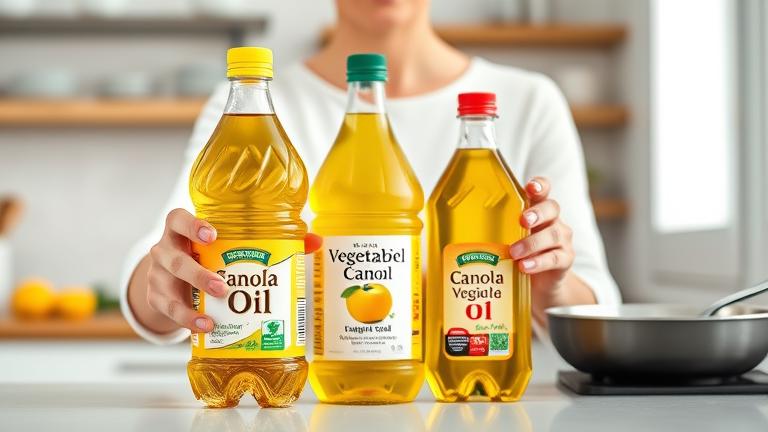
Can I Mix Canola Oil And Vegetable Oil

Most home cooks treasure the versatility and convenience of having a flexible cooking oil on hand, and few questions arise as often as whether two popular oils can safely be c...

Most home cooks treasure the versatility and convenience of having a flexible cooking oil on hand, and few questions arise as often as whether two popular oils can safely be combined. Canola oil and vegetable oil are staples in many kitchens, valued for their neutral flavors, affordability, and ability to perform across a wide range of techniques—from sautéing vegetables to deep-frying chicken. Understanding how these oils interact helps you make smarter decisions when you find yourself running low on one or simply want to experiment with a custom blend.
The key purpose of mixing cooking oils lies in balancing practical needs. Sometimes you simply don't have enough of one oil to fill your pan, or you might want to slightly adjust the fat profile of a recipe. Canola oil is naturally rich in omega-3 fatty acids and has a high smoke point of around 400°F (204°C), while vegetable oil—a blend that typically includes soybean, corn, or sunflower oil—also offers a neutral taste and a smoke point near 400°F. Because both oils share similar cooking characteristics, combining them creates a functional blend that works for nearly any everyday cooking application.
From a health standpoint, mixing the two won't cause problems. You won't lose nutritional benefits by blending, and the ratio you choose simply redistributes the small differences in their vitamin and fatty-acid content. Imagine you're preparing a stir-fry on weeknight and realize your canola oil container is nearly empty; pouring in an equal part of vegetable oil to finish the job yields the same reliable results without compromising taste or safety. This kind of everyday scenario is exactly where mixing proves most useful.
Must Read
Bakers and professionals also find blended oils valuable. If a recipe calls for vegetable oil but you only have canola, the substitute works almost seamlessly because both oils are mild and neutral. Conversely, a recipe specifying canola oil can accommodate a vegetable oil addition when necessary. The primary benefits for everyday life include cost savings, reduced waste, and the ability to keep cooking without an emergency trip to the store. Since these oils are generally inexpensive, having two types on hand gives you flexibility without stretching your budget.
That said, a few simple tips can help you get the most out of this practice. First, always check the smoke points if you plan on high-heat cooking like searing or deep-frying, and stick to oils that sit in a similar temperature range. Second, store your blended oil in a sealed, dark container away from heat and light to prevent it from turning rancid sooner than individual oils would. Third, pay attention to flavor profiles—both canola and vegetable oil are neutral, so mixing them won't introduce unwanted tastes into delicate dishes like vinegrettes or cakes.
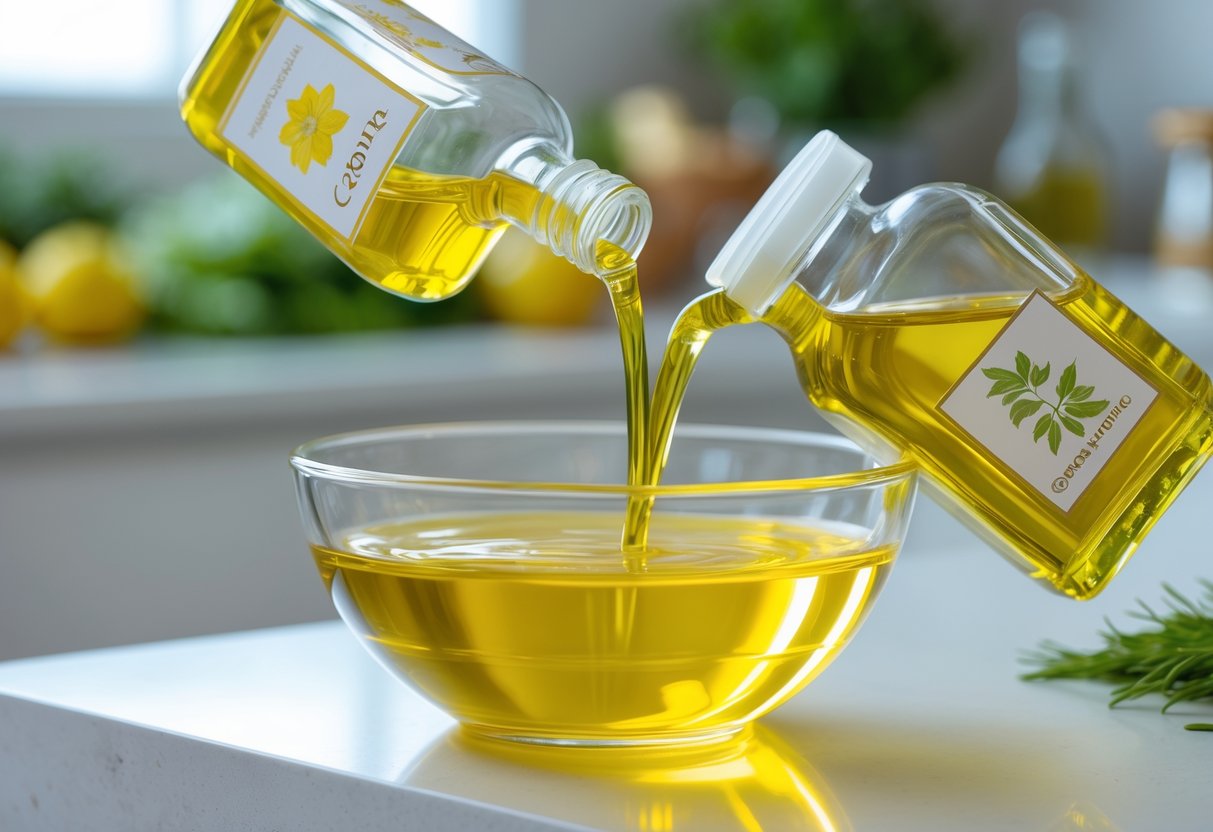 Can You Mix Canola Oil and Vegetable Oil? Tips for Baking & Frying
Finally, experiment at a comfortable pace. Try a simple side-by-side test: sauté the same ingredient in pure canola oil on one burner and in your 50/50 canola–vegetable blend on another. Notice any subtle differences in crisping, browning, or flavor. In most cases, you'll find them virtually indistinguishable. Over time, this hands-on approach builds confidence and helps you develop a personalized oil routine that suits your cooking habits and pantry reality.
In conclusion, mixing canola oil and vegetable oil is not only safe but also a smart, practical strategy for any home cook. Because their properties align closely, the blend behaves predictably across frying, baking, and general sautéing. Whether you're conserving resources, adjusting a recipe, or simply using what's available, this combination keeps your kitchen running smoothly without sacrificing quality or health considerations.