Can I Eat Sourdough Bread With High Cholesterol

There’s something undeniably cozy about a slice of sourdough bread—crispy crust, tangy aroma, and that satisfying chew. This topic feels especially practical because bread is...
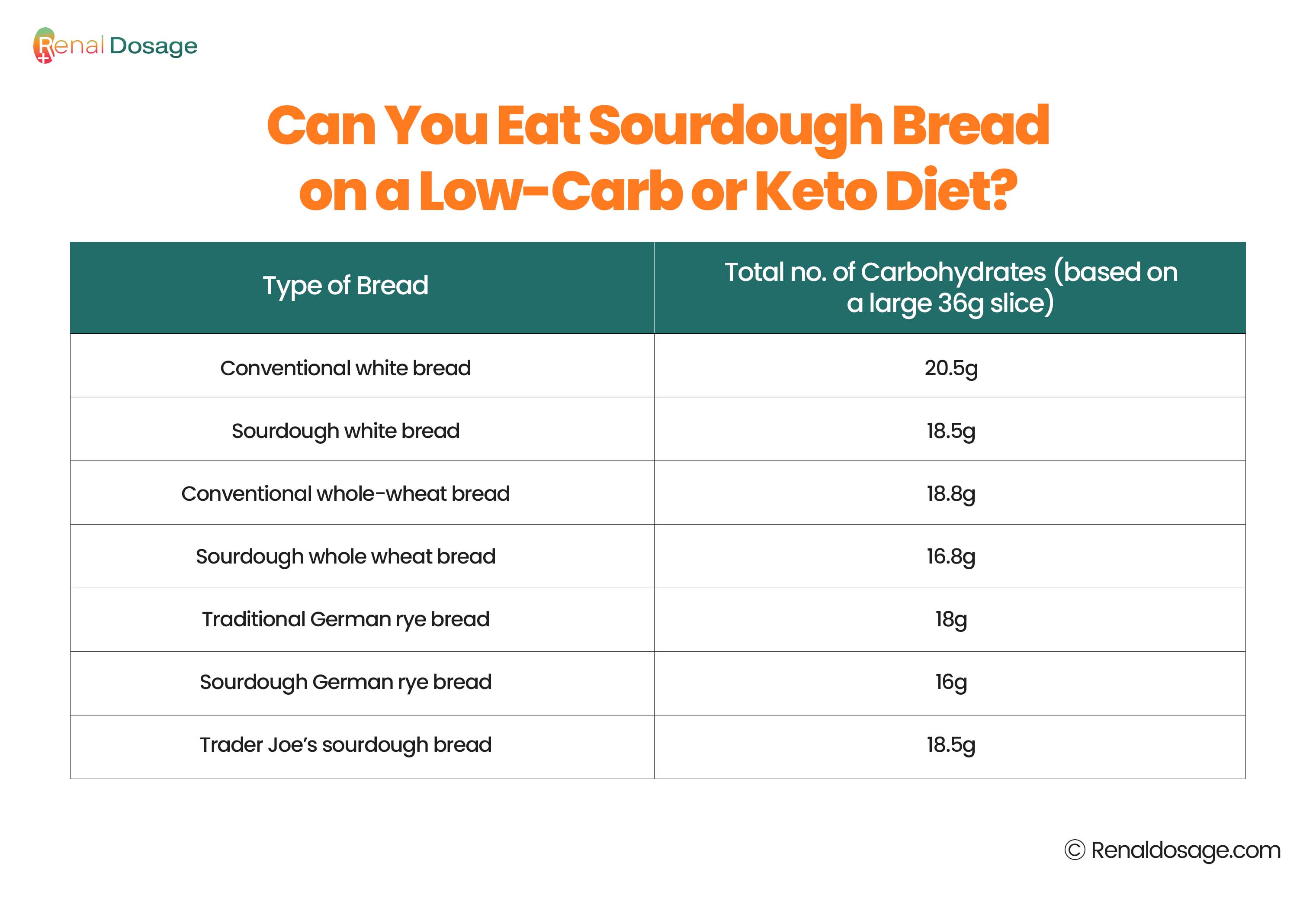
There’s something undeniably cozy about a slice of sourdough bread—crispy crust, tangy aroma, and that satisfying chew. This topic feels especially practical because bread is such a staple in so many lives, and for anyone managing high cholesterol, it’s easy to wonder if that daily toast or sandwich could be a hidden problem. The good news? Sourdough bread often gets a green light from nutritionists, and understanding why can make your meals both delicious and heart-smart. The main purpose here is to clear up the confusion: you don’t have to give up bread entirely. Instead, you can learn how sourdough’s fermentation process actually supports better cholesterol management, benefiting everyone from busy parents to health-watchful seniors. Common variations you might recognize include whole wheat sourdough, rye sourdough, or even seeded versions—each adding its own twist of fiber and flavor.
First, let’s talk about the science behind the tang. Sourdough is made through natural fermentation, where wild yeast and lactic acid bacteria break down phytic acid and starches. This process lowers the bread’s glycemic index, meaning it doesn’t spike your blood sugar as much as regular white bread does. Why does that matter for cholesterol? Because stable blood sugar helps your body manage insulin levels, which in turn reduces the risk of LDL (bad) cholesterol oxidation. So that first bite isn’t just tasty—it’s a metabolic helper. Even the vinegar-like compounds in sourdough, such as acetic acid, have been shown to improve lipid profiles over time.
Fiber is another big player. While sourdough isn’t naturally high in fiber, choosing a whole-grain sourdough version can make a real difference. Whole grains retain the bran and germ, which are packed with soluble fiber—the kind that binds to cholesterol in your digestive tract and escorts it out before it enters your bloodstream. If you’re used to eating standard white bread, swapping to a hearty whole wheat or spelt sourdough is a simple shift. For example, a morning toast with avocado on whole-grain sourdough gives you healthy fats plus fiber—a double boost for heart health. Look for loaves labeled “100% whole grain” or check the ingredient list for “whole wheat flour” as the first item.
Must Read
Portion control is the key to keeping sourdough a positive part of your diet. Even with its benefits, bread is still calorie-dense, and eating too many carbs can still affect triglycerides. A practical tip: aim for one or two slices per meal, and pair them with protein or healthy fats, like a poached egg or a smear of nut butter. This slows digestion even further. If you’re buying artisan sourdough, be mindful of added sugars or oils—some commercial versions include hidden fats that could nudge up your daily intake. Stick to traditional recipes with just flour, water, salt, and starter for the cleanest option.
Variations like rye sourdough deserve a special mention. Rye flour is naturally rich in beta-glucan, a type of fiber that has been proven to reduce LDL cholesterol significantly. Many European bakeries offer dense, dark rye sourdough that’s both filling and heart-friendly. You might also explore sourdough made with oat flour or barley—both are cholesterol-lowering powerhouses. If you bake at home, you can experiment by substituting up to 30% of the white flour with whole-grain alternatives. The tangy starter does the rest of the work, so you don’t need fancy equipment—just patience and a warm spot in your kitchen.
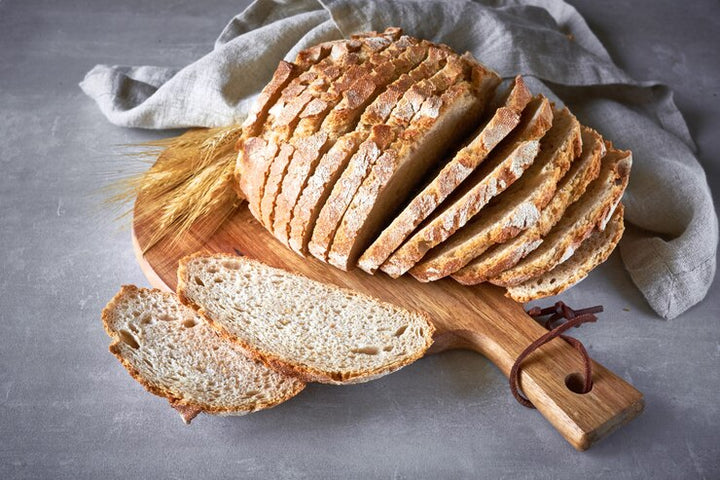 Sourdough Bread: A Delicious Way to Maintain Cholesterol – Naturachol
Another overlooked benefit is that sourdough fermentation produces short-chain fatty acids, which nourish your gut microbiome. A healthy gut is increasingly linked to lower inflammation and better cholesterol regulation. So when you enjoy a modest serving of sourdough, you’re not just feeding your taste buds—you’re supporting your whole digestive system. Think of it as a gut-and-heart duo in one slice. For the best effect, let your bread rest for a day after baking; the cooling process further lowers its glycemic impact, making it even gentler on your cholesterol numbers.
Finally, the most actionable tip: start small and listen to your body. Swap one regular bread serving per day for a quality sourdough, and see how you feel. Many people notice better digestion and fewer cravings. If you have high cholesterol, this isn’t about eating sourdough instead of medication or lifestyle changes—it’s an enjoyable, practical part of a balanced plate. So go ahead, toast that slice, add some fresh tomatoes and herbs, and savor it. With a bit of mindfulness, sourdough bread can absolutely stay on your menu and even help you feel good about the choice.

