Can I Eat Something On The Use By Date

Let's be real — we've all stood in front of the fridge, staring at a carton of milk or a pack of chicken, wondering: can I still eat this? The date printed on the label says "...
Let's be real — we've all stood in front of the fridge, staring at a carton of milk or a pack of chicken, wondering: can I still eat this? The date printed on the label says "use by," and you're probably tempted to push your luck. It's one of the most common kitchen dilemmas, and honestly, the answer isn't always black and white. But don't worry — understanding what "use by" really means can help you make better choices, save money, and reduce food waste without putting your health at risk.
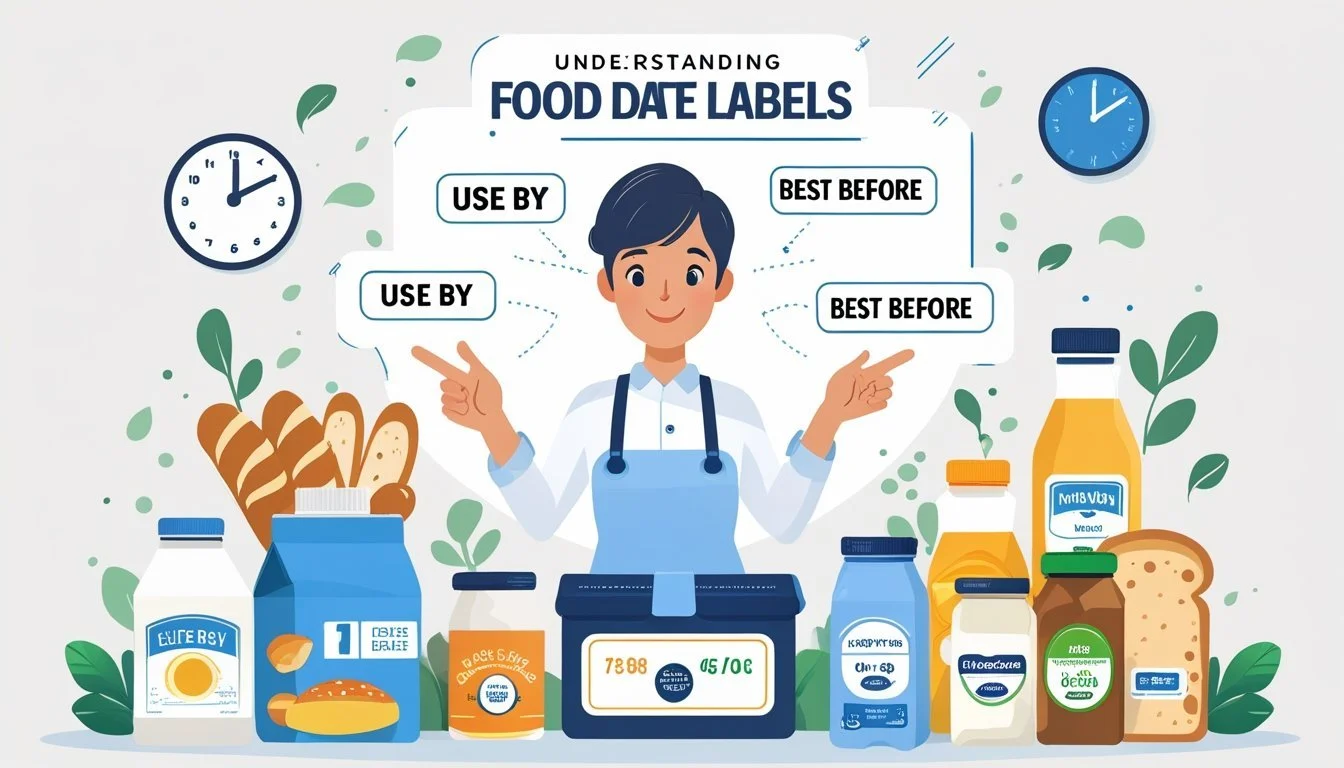
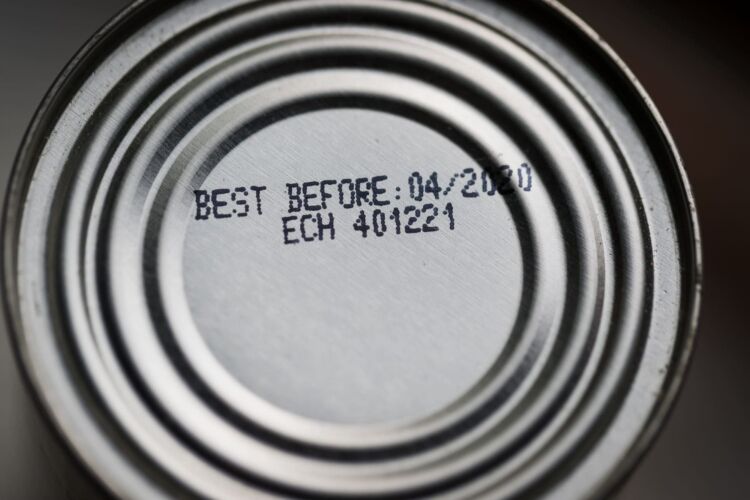
"use by" date actually means. Unlike "best before" dates, which are all about quality and freshness, the "use by" label is primarily about safety. It tells you the last date the manufacturer recommends for consuming the product to avoid potential health risks. So when your yogurt says "use by March 15," the brand is essentially saying, "After this date, we can no longer guarantee it's safe." That said, it doesn't always mean the food becomes dangerous the very next day — there's often a little wiggle room depending on the item.
So, does it matter? Absolutely. Eating expired food isn't just a minor inconvenience — it can genuinely affect your health, especially for vulnerable groups like children, the elderly, and anyone with a weakened immune system. Beyond health, this knowledge helps families and communities save money and cut down on food waste. Think about it: millions of pounds of perfectly good food get thrown away every year simply because people misunderstand what those dates mean. When we learn this distinction, we become smarter shoppers and more responsible consumers.
Must Read
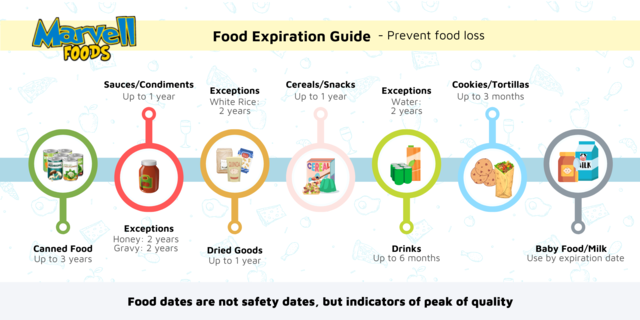
Let's look at some practical examples to make this clearer. Fresh milk often lasts a day or two past its "use by" date if it's been stored properly — just give it a sniff and check for curdling. Cooked leftovers like pasta or soup can usually survive an extra day in the fridge. However, deli meats, raw chicken, soft cheeses, and fresh seafood are much less forgiving — when they pass their "use by" date, it's wiser to toss them rather than risk foodborne illness. On the other hand, items like canned goods, frozen items, and hard cheeses can sometimes be enjoyed well after their printed dates without concern.
Here are some easy tips to help you navigate this every day: First, always practice the "sniff, look, and feel" test — if something smells off, looks discolored, or has an unusual texture, don't eat it regardless of the date. Second, store food properly — keeping your fridge at 0 to 4°C (32–40°F) and your freezer below -18°C (0°F) dramatically extends shelf life. Third, adopt the FIFO method (first in, first out) when stocking your pantry — place newer items behind older ones so you use the older food first. Fourth, when in doubt, freeze things before the expiry date; freezing essentially pauses the clock on most foods.
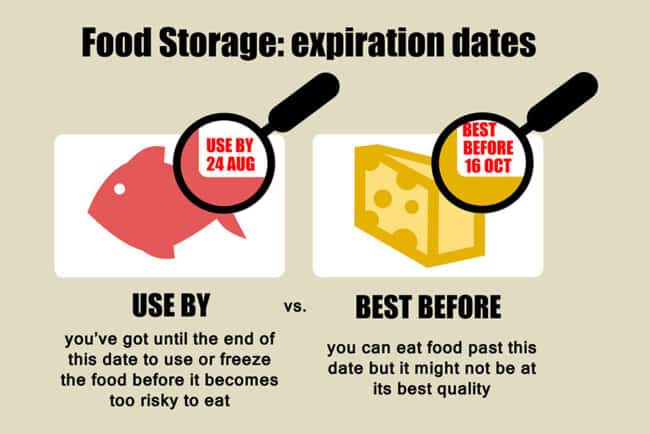 Use By and Best Before Dates: What Is the Difference?
And here's something worth thinking about: trusting your senses over the calendar can save you from throwing away perfectly good groceries. Many food manufacturers set "use by" dates conservatively, meaning the food is likely still safe beyond that point. That said, never ignore the date on high-risk foods like raw meat, dairy with added ingredients, or ready-to-eat meals meant for vulnerable populations. It's all about balancing caution with common sense.
In the end, understanding what a "use by" date really tells you is a simple yet powerful skill. It empowers you to make informed decisions in your kitchen, your wallet, and your health. By paying attention to storage conditions, using your senses, and knowing which foods can safely go a little past their date — and which can't — you'll waste less, spend less, and eat with confidence. So the next time you're eyeballing that expiration label, don't panic. Just think smart, stay safe, and enjoy your food the way it's meant to be enjoyed — fresh, safe, and stress-free. After all, a little knowledge in the kitchen goes a long way!