Can I Eat Hibiscus Flowers

So, there I was, strolling through my local farmer's market, when I spotted something that stopped me in my tracks. A vibrant, deep magenta flower, looking all sorts of exotic...
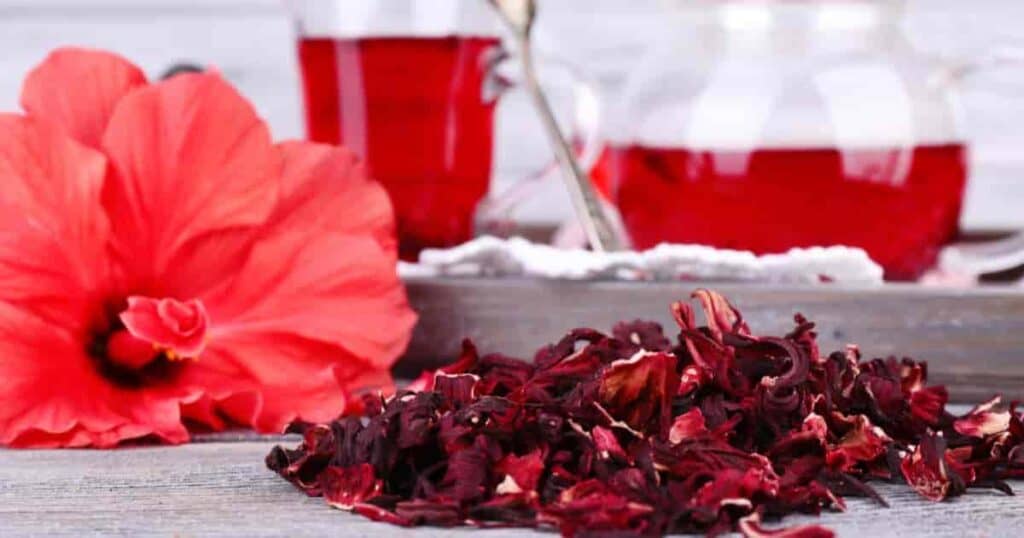
So, there I was, strolling through my local farmer's market, when I spotted something that stopped me in my tracks. A vibrant, deep magenta flower, looking all sorts of exotic and delicious, sitting pretty on a stall dedicated to 'edible flowers'. I did a double-take, because, you know, who expects to see flowers they can actually eat? But there it was, the hibiscus flower, staring back at me, daring me to ask, "Can I eat you?"
Now, I'm not one to shy away from a challenge, especially when it comes to my taste buds. But before I started chomping on these petals like a rabbit on a salad bar, I figured I'd better do a little digging. After all, I've learned the hard way that not everything that looks pretty is safe to eat (looking at you, poison ivy).
Meet the Hibiscus
First things first, let's get to know our new friend, the hibiscus. It's a tropical plant, native to warm climates like Hawaii, Mexico, and parts of Asia. It's not just a pretty face, though. Hibiscus is packed with vitamins and antioxidants, and it's been used in traditional medicine for centuries. But the big question on my mind was, "Is it safe to eat?"
Must Read
Can I Eat Hibiscus Flowers?
Short answer? Yes, you can! But hold your horses, because there's a bit more to it. The petals are the edible part, and they've got a tart, citrusy flavor that's often compared to cranberries. They're used in all sorts of dishes, from salads and soups to jams and teas. But here's where things get a little tricky.
You see, not all hibiscus flowers are created equal. Some varieties are more bitter than others, and some can even be toxic. So, it's important to know what you're looking at. The most common edible variety is Hibiscus sabdariffa, also known as roselle or Jamaica hibiscus. It's the one you'll find in those vibrant teas at your local café.
But even with the right variety, you've got to be careful. Hibiscus can interact with certain medications, so if you're on any, it's a good idea to chat with your doc before you start chowing down. And as always, if you're pregnant or breastfeeding, it's best to steer clear, just to be on the safe side.
How to Eat Hibiscus Flowers
Now that we've established that yes, you can eat hibiscus flowers, let's talk about how. The petals are the tastiest part, and they're often used to add a tangy kick to dishes. You can find them dried and ready to use in specialty stores or online, or you can grow your own and use them fresh.
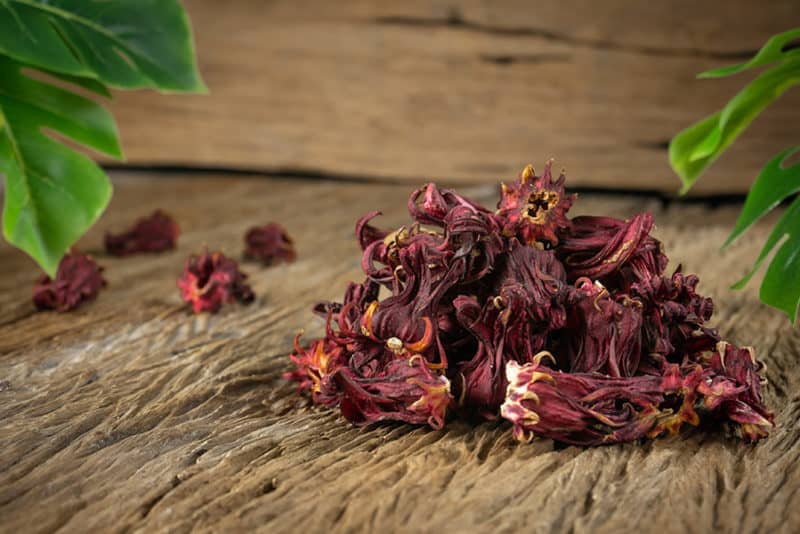 How to Grow Edible Hibiscus Flowers in Your Garden
One of my favorite ways to enjoy hibiscus is in a refreshing tea. It's super easy to make - just steep the petals in hot water for a few minutes, then strain and sweeten to taste. You can also use the petals to make a tangy syrup that's great in cocktails or over ice cream.
But listen, don't go crazy with the hibiscus. It's high in organic acids, which can be tough on your teeth and stomach if you overdo it. A little goes a long way, so use it sparingly and enjoy the unique flavor it brings to your dishes.
So, Should You Eat Hibiscus Flowers?
If you're curious and want to try something new, then yes, give hibiscus a go! Just make sure you're using the right variety and that it's safe for you to consume. And remember, as with anything, moderation is key. Your taste buds (and your tummy) will thank you.
Now, if you'll excuse me, I've got a date with a cup of hibiscus tea. Who knows, maybe I'll even find a recipe for hibiscus-infused ice cream. After all, a girl's gotta live dangerously, right? Until next time, happy eating!
