Can I Eat A Big Mac That Was Left Out Overnight

Welcome, late-night snackers and leftover-lovers! We’ve all been there: it’s 2:00 AM, the fridge is a barren wasteland, and on the counter sits a lonely Big Mac—a glorious, be...

Welcome, late-night snackers and leftover-lovers! We’ve all been there: it’s 2:00 AM, the fridge is a barren wasteland, and on the counter sits a lonely Big Mac—a glorious, beefy relic from yesterday’s lunch run. The question burning in your sleepy brain is surprisingly deep: Can I eat a Big Mac that was left out overnight? This isn’t just about hunger; it’s a fun, high-stakes game of culinary roulette. Understanding the science behind this fast-food dilemma is incredibly helpful—it can save you from a midnight stomachache, prevent food waste, and even upgrade your late-night storytelling. The advantage? Once you know the rules, you’ll never gamble with your gut again. Let’s unwrap this mystery together, one juicy layer at a time.
First, let’s talk about the villain of our story: the “Danger Zone.” According to food safety experts, bacteria love temperatures between 40°F and 140°F. That’s the same cozy range as your kitchen counter on a warm night. After just two hours, bacteria like Staphylococcus aureus can start throwing a party on your Big Mac’s beef patty and special sauce. Overnight? That’s eight, maybe ten hours—a full-blown bacterial rave. Your burger’s bun might look the same, but under the surface, it’s become a tiny, invisible city of potential trouble. The fun twist? Most people think, “It’s just a burger, it’ll be fine.” But the reality is much grosser—and that’s what makes this story worth telling.
Here’s a creative example to picture: imagine you’re a food scientist with a microscope. You grab that overnight Big Mac and zoom in. The pickles are still tangy, but they’ve absorbed moisture, becoming a slippery safehouse for microbes. The special sauce, with its mayo base, is a bacterial buffet because it’s eggy and rich. The lettuce is limp, weeping water, turning the bun into a soggy petri dish. Even the sesame seeds aren’t safe—they can trap moisture. In a fun, mad-scientist thought experiment, you could watch a timelapse: within four hours, the burger begins to degrade in texture; by morning, it’s a microbiological city with a population of millions. This isn’t horror fiction—it’s the boring science of your fridge-less burger!
Must Read
Now, for the practical advice: you might ask, “But what if I just reheat it in the microwave? Won’t that kill the bacteria?” Here’s the kicker—no. While microwaving can kill many bacteria, it does not destroy the heat-stable toxins they leave behind. Those toxins are like tiny landmines that can still cause food poisoning. So your reheated Big Mac might taste like a dry, salty memory, but your stomach will still stage a rebellion. That’s why the golden rule is simple: if it sat out for more than two hours, throw it out. It’s not about being wasteful; it’s about respecting your own digestive peace. One tip: if you’re craving a late-night Big Mac, buy it fresh and eat it immediately—the real experience is the hot, melty cheese, not a cold, rubbery disc.
But let’s pivot to a more fun scenario: what if you planned for this? Imagine you’re hosting a party and have leftover Big Macs. Instead of leaving them out, you can transform them the next morning into a “McHash”—a skillet scramble! Chop that overnight fridge-stored Big Mac (yes, fridge-stored is safe—up to 3-4 days) into bite-sized pieces. Sauté with potatoes, onions, and an egg. Suddenly, you’re not wasting; you’re being a culinary rebel. The secret? The cold fridge stops the bacteria, so you can safely give that burger a second life. This is the creative hack—using your Big Mac as a breakfast ingredient, not a midnight gamble. Always refrigerate leftovers within two hours, and you’ll have a tasty, safe remake waiting.
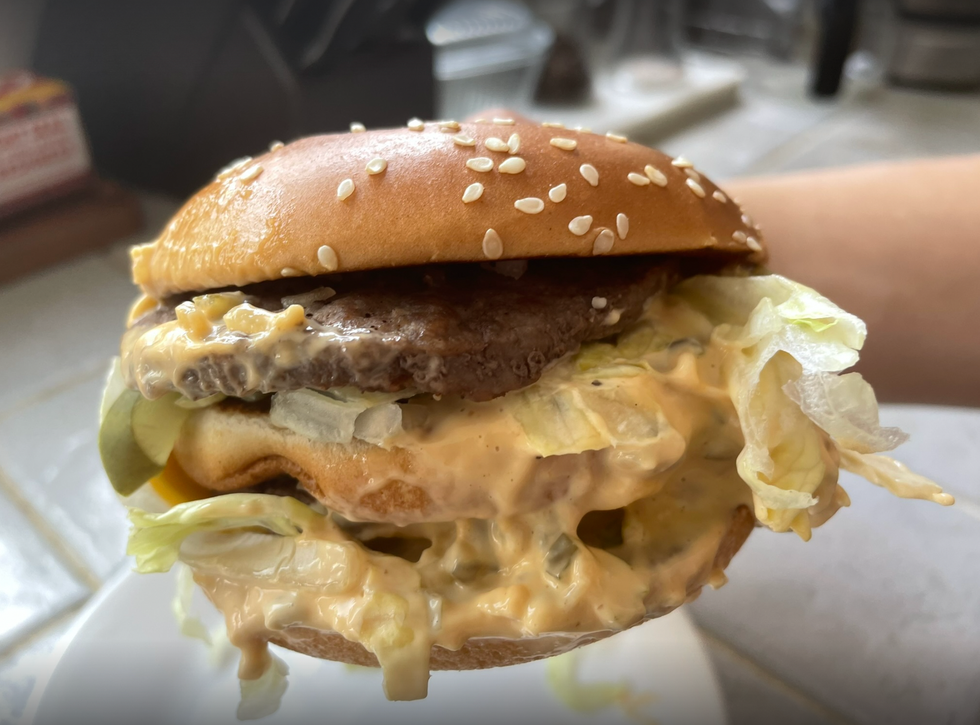 big mac review - Narcity
Here’s another practical lifeline for you: the smell test is a liar. A left-out Big Mac might still smell like beefy glory, especially if it’s been in air conditioning. But smell doesn’t detect the toxin-producing pathogens like Staphylococcus. I once had a friend who bragged about eating a 12-hour-old Big Mac and feeling fine. He was lucky—or his burger had less moisture. But luck isn’t a food safety plan. Instead, use the “two-hour timer” trick: set a phone alarm every time you bring home fast food. When it goes off, either eat it, fridge it, or bin it. This tiny habit turns a risky burger into a safe snack. And come on—isn’t your bathroom’s porcelain throne better used for morning coffee than an emergency?
Finally, let’s wrap up with a fun truth: the perfect Big Mac experience is a hot, fresh one. That’s the real advantage of knowing the overnight rule—you value the burger in its prime. When you bite into a cold, left-out version, you’re not saving money; you’re disrespecting the artistry of the two all-beef patties. The cure for curiosity? Next time you see that leftover box, laugh, say “Not tonight, bacteria,” and chuck it. Then, order a fresh one. Your taste buds, your gut, and your dignity will thank you. So go ahead—embrace the fun of this food science mystery, but always choose your burger with confidence, not regret. Now, go enjoy a hot Big Mac—you’ve earned it, you clever snacker!
