Can I Bring Batteries On A Plane

There’s something oddly satisfying about the little puzzle of packing a carry-on. You’ve got your snacks, your book, and that one charger you know you’ll need. But then you st...

There’s something oddly satisfying about the little puzzle of packing a carry-on. You’ve got your snacks, your book, and that one charger you know you’ll need. But then you stop and stare at your stash of batteries—lithium, AA, power bank—and wonder, “Can I actually bring these on a plane?” It’s a practical, everyday question that affects everyone from the professional photographer lugging camera gear to the casual traveler who just wants their phone to last through a layover. The good news? You usually can, and knowing the rules makes packing feel less like a guessing game and more like a smooth, stress-free routine.
The main purpose of these battery rules isn’t to annoy you—it’s about safety. Lithium-ion batteries, the kind in your laptop and portable charger, can overheat or even catch fire under extreme pressure. That’s why airlines are strict about where and how you carry them. The benefit for you? Peace of mind. By following a few simple guidelines, you keep yourself and fellow passengers safe, and you avoid having your expensive power bank confiscated at security. Think of it as a tiny, life-saving protocol that’s easy to master.
Let’s get into the common variations you’ll encounter. Your everyday AA or AAA alkaline batteries (for a flashlight or remote) are almost always fine in your carry-on or checked bag, as long as they’re in their original packaging or taped to prevent contact with metal. But the real stars are lithium-ion batteries—the ones in your phone, camera, and external power bank. These must go in your carry-on, not checked luggage. Why? Because flight crew can handle a battery fire in the cabin, but not in the cargo hold. Also, spare lithium batteries (not installed in a device) need terminal protection—like tape over the contacts—to prevent short circuits.
Must Read
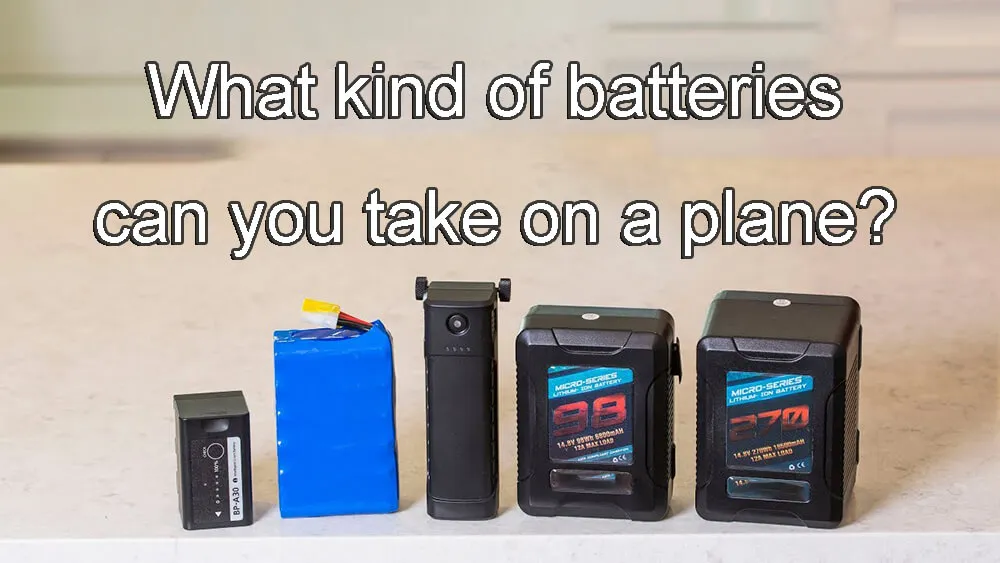
What about large power banks or vape batteries? Here’s a key number: 100 watt-hours (Wh). Most consumer power banks are under this limit, so you can bring them in your carry-on without special permission (just check the label). If yours is between 100 and 160Wh—common for high-capacity camera batteries—you’ll need airline approval ahead of time. Anything over 160Wh is a no-go on passenger planes. And for vapers: devices and spare batteries must be in your carry-on, but you can’t use them during the flight—not even for a quick puff in the lavatory, which is a guaranteed way to get yourself in trouble.
Here’s a simple, actionable tip to get started: before you pack, gather all your loose batteries and devices into one clear pouch. That way, you can quickly tape the contacts on spares (a piece of electrical tape or even a bandage works), and you won’t be digging through your bag at security. For power banks, check the watt-hour rating—it’s usually printed right on the side. If it says “10000mAh,” that’s roughly 37Wh, well within the limit. If you’re unsure, ask your airline directly or check their website; the rules are more consistent than ever globally, but it’s better to be safe.
 westget - Blog
Another pro tip: don’t pack your devices with batteries fully dead or fully charged if you can help it. Airlines recommend keeping them at around 30-50% charge to reduce stress on the battery during flight. This is especially smart for spare power banks and laptops. Also, if you’re traveling with medical devices like a CPAP or powered wheelchair, those batteries are almost always allowed—just inform the airline in advance and carry any documentation your doctor provides. Nobody wants a medical device to lose power mid-flight.
In the end, bringing batteries on a plane is a simple, everyday skill that pays off in convenience and safety. You get to keep your devices charged, your camera clicking, and your journey uninterrupted. So next time you’re packing, give your batteries a quick check—tape the contacts, keep them in your carry-on, and know the magic number (100Wh). You’ll breeze through security with a confidence that’s totally earned. Safe travels, and may your phone never dip below 20%.