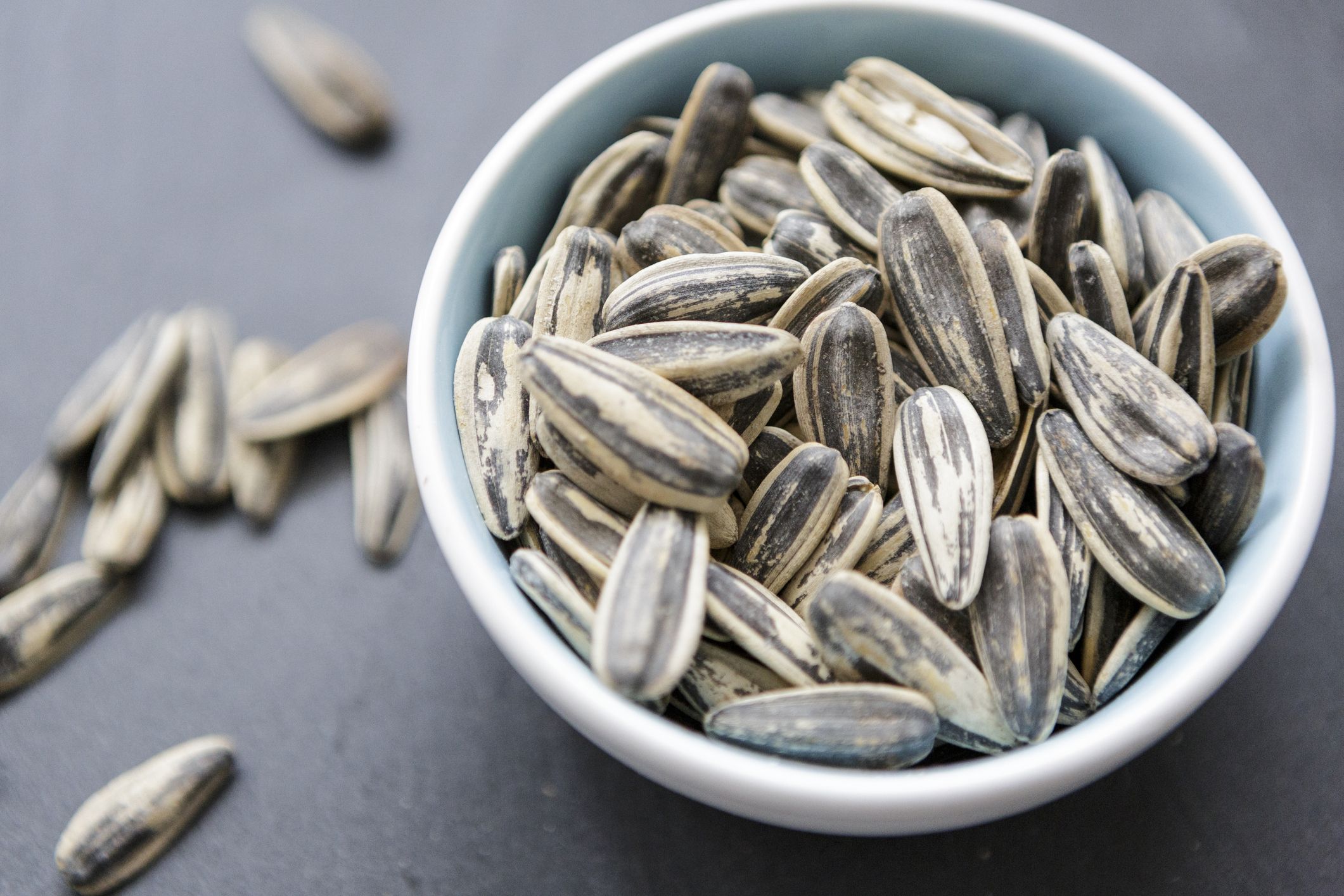
Can Eating Too Many Sunflower Seeds Give You Diarrhea

Let’s be honest: there’s something deeply satisfying about cracking open a sunflower seed. Whether you’re at a baseball game, road-tripping, or just binge-watching your favori...
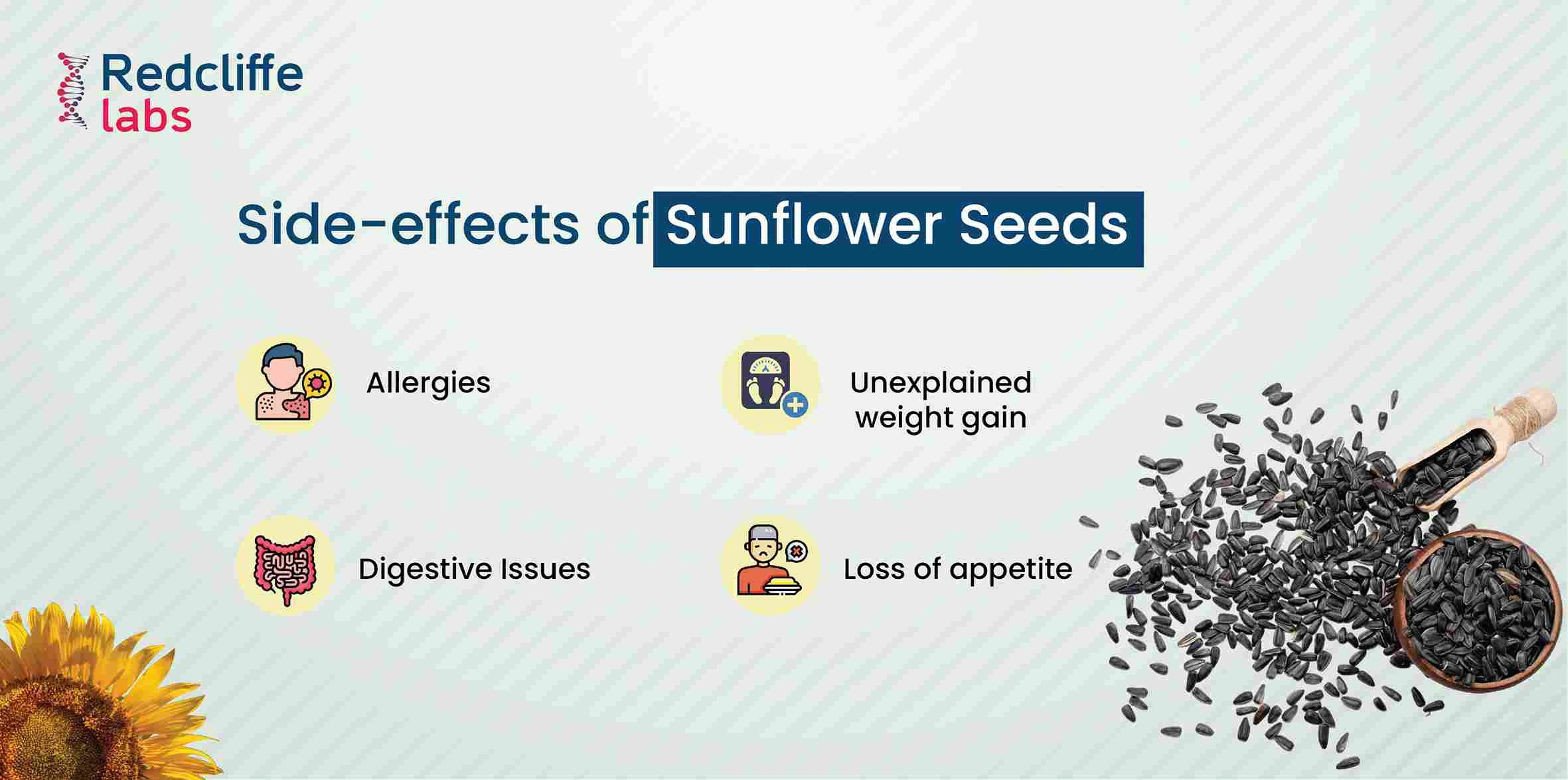
Let’s be honest: there’s something deeply satisfying about cracking open a sunflower seed. Whether you’re at a baseball game, road-tripping, or just binge-watching your favorite show, that little salty kernel is a snack-time celebrity. It’s portable, fun to eat, and packed with healthy fats, vitamin E, and magnesium. But here’s the practical question that pops up for many of us after a particularly enthusiastic bag: can eating too many sunflower seeds give you diarrhea? It’s a surprisingly common concern, and one that turns a simple pleasure into a bathroom mystery. The good news? We’re going to crack the shell on this crunchy conundrum, with simple, actionable tips to keep your snacking blissful and your digestion happy.
The short answer is yes, eating too many sunflower seeds can indeed give you diarrhea, but it usually depends on how and how much you eat. The main culprit is their exceptionally high fiber content. A single cup of shelled seeds packs about 12 grams of fiber, which is nearly half your daily recommended intake. If your digestive system isn’t used to that sudden flood of roughage, it can speed up bowel movements, leading to loose stools or outright diarrhea. Think of it as your gut waving a little white flag and saying, “Whoa, slow down!” For anyone who’s ever finished a 16-ounce bag in one sitting, this isn’t exactly shocking news—it’s a classic case of too much of a good thing.
But fiber isn’t the only player in this story. Sodium is another sneaky offender. Most commercial sunflower seeds are heavily salted—often with 200 to 400 milligrams of sodium per ounce. When you eat a lot of them, the salt can draw water into your intestines through a process called osmosis. That extra water can loosen your stool and trigger diarrhea, especially if you’re not drinking enough fluids to balance it out. For folks with sensitive stomachs or conditions like irritable bowel syndrome (IBS), even a modest handful can set off a reaction. A common variation? Sunflower seeds roasted in oil can add a layer of fat that some people’s digestion finds hard to handle, compounding the problem.
Must Read
There’s also a less obvious factor: phytates and oxalates. Sunflower seeds contain these natural compounds, which can irritate the gut lining in large amounts. For most people, this isn’t a big deal, but if you’re eating them by the pound, the cumulative effect might be a case of the runs. And let’s not forget the shells—you’re not supposed to eat those, but if you accidentally swallow a few (or snack on “shell-on” varieties without great aim), the sharp hulls can cause physical irritation and inflammation, which sometimes mimics diarrhea symptoms. So, it’s not just the seed’s chemistry—it’s the mechanics of how you eat them.
So, how do you enjoy sunflower seeds without turning your stomach into a slip-and-slide? Start with portion control. A sensible serving is about a quarter cup (around 130 calories). Stick to that, and you’ll get the benefits—healthy fats, protein, and crunch—without overwhelming your system. A simple tip: pour out the amount you want to eat into a small bowl, rather than eating directly from the bag. That visual cue keeps you from mindlessly over-snacking. Also, choose unsalted or lightly salted varieties. Your taste buds will adjust in a week or so, and your gut will thank you for the lower sodium load.
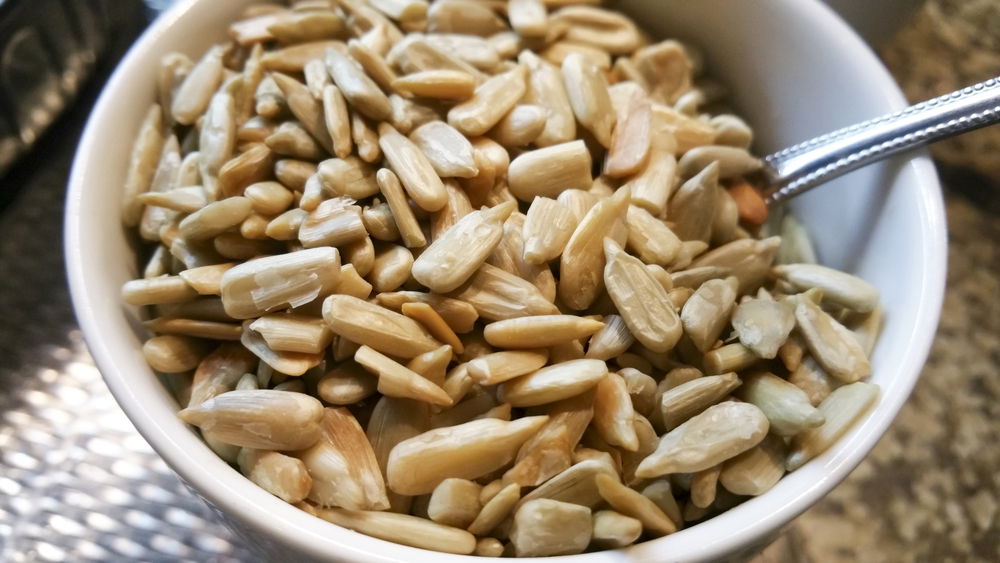 Can You Eat Too Many Sunflower Seeds: 6 Potential Risks
Another actionable move is to pair them with water. Drinking a glass of water while you snack helps offset the sodium and keeps fiber moving smoothly through your system. If you’re prone to digestive issues, try roasting them yourself at home with a tiny bit of olive oil and your own seasoning—this reduces the processed additives that can upset sensitive stomachs. Finally, listen to your body. If you notice loose stools after eating them, take a break for a few days and then test a smaller portion. Most people can enjoy sunflower seeds daily without issue, as long as they don’t turn the snack into a feast.
At the end of the day, sunflower seeds are a fantastic, versatile snack that benefits everyone from athletes needing quick energy to families looking for a crunchy alternative to chips. The key is mindfulness—not fear. By controlling your portions, opting for lower-sodium versions, and staying hydrated, you can keep the joy of cracking shells without worrying about a dash to the bathroom. So go ahead, enjoy that bag—just maybe not the whole thing in one go. Your gut will be just as grateful as your taste buds.