Can Brown Sugar Substitute For White

Let’s be honest: there’s something deeply satisfying about peeking into your pantry mid-recipe and realizing you’re just one ingredient short. The question of whether brown su...

Let’s be honest: there’s something deeply satisfying about peeking into your pantry mid-recipe and realizing you’re just one ingredient short. The question of whether brown sugar can substitute for white sugar is a classic pantry puzzle—and it’s a fun one to solve. This topic is a favorite among home bakers, budget-conscious cooks, and health explorers alike because it turns a potential crisis into a creative opportunity. The main purpose here is simple: to help you skip a last-minute store run while still making something delicious. Whether you’re whipping up cookies for a bake sale, sweetening your morning coffee, or trying to use up odds and ends, understanding this swap brings flexibility and confidence to your kitchen. It’s a small trick with big rewards.
At the heart of this swap is the difference between the two sugars. White sugar is pure sucrose—crisp, neutral, and dry. Brown sugar, on the other hand, is white sugar with molasses added back in. That molasses brings moisture, a faintly caramel flavor, and a slightly acidic pH. It’s why your brown sugar muffins feel softer and why the sugar itself clumps together like damp sand. When you use brown sugar in place of white, you’re not just changing sweetness; you’re inviting depth, chewiness, and a hint of toffee. For example, in oatmeal cookies, brown sugar creates a more rustic, chewy texture, while white sugar yields a crisper snap. Recognizing these variations helps you decide whether the swap enhances or alters your dish.
This substitution shines brightest in baked goods that benefit from moisture and a richer flavor profile. Think chocolate chip cookies, banana bread, or ginger snaps. In these recipes, swapping white sugar for brown (or vice versa) works beautifully—just expect a softer crumb and a deeper color. For instance, a classic sugar cookie might become denser and less crunchy, so if you’re after that original crackly top, stick with white. Conversely, if you’re making a spice cake, brown sugar’s molasses notes will harmonize with the cinnamon and nutmeg. A simple rule: use brown sugar when you want warmth and tenderness; use white when you want lightness and a clean sweet taste.
Must Read
For non-baking uses, the swap is even simpler. Stirring a spoonful of brown sugar into your iced tea or lemonade gives a subtle molasses note that can be surprisingly refreshing—like a less complicated version of a brown sugar latte. In savory dishes, such as glazed carrots or barbecue sauce, brown sugar is often the superior choice because its depth balances acidity and spice. But if a recipe calls for brown sugar and you only have white, just add a teaspoon of molasses per cup of white sugar to create a quick homemade substitute. That one-to-one ratio is a lifesaver when your brown sugar has turned into a rock-hard brick.
Here’s a practical tip to get started: always consider the moisture factor. If a recipe relies on white sugar for a light, airy structure—like a delicate sponge cake or meringue—swapping in brown sugar might weigh it down. In those cases, measure the brown sugar by packing it firmly, then sifting it to break up clumps. For cookies, simply swap one for one by volume, but reduce any liquid in the recipe by about one tablespoon per cup to balance the extra moisture. And if you want to dial back the sweetness, brown sugar feels slightly less sweet due to the molasses, so you might add a pinch of extra sugar if you like things very sweet.
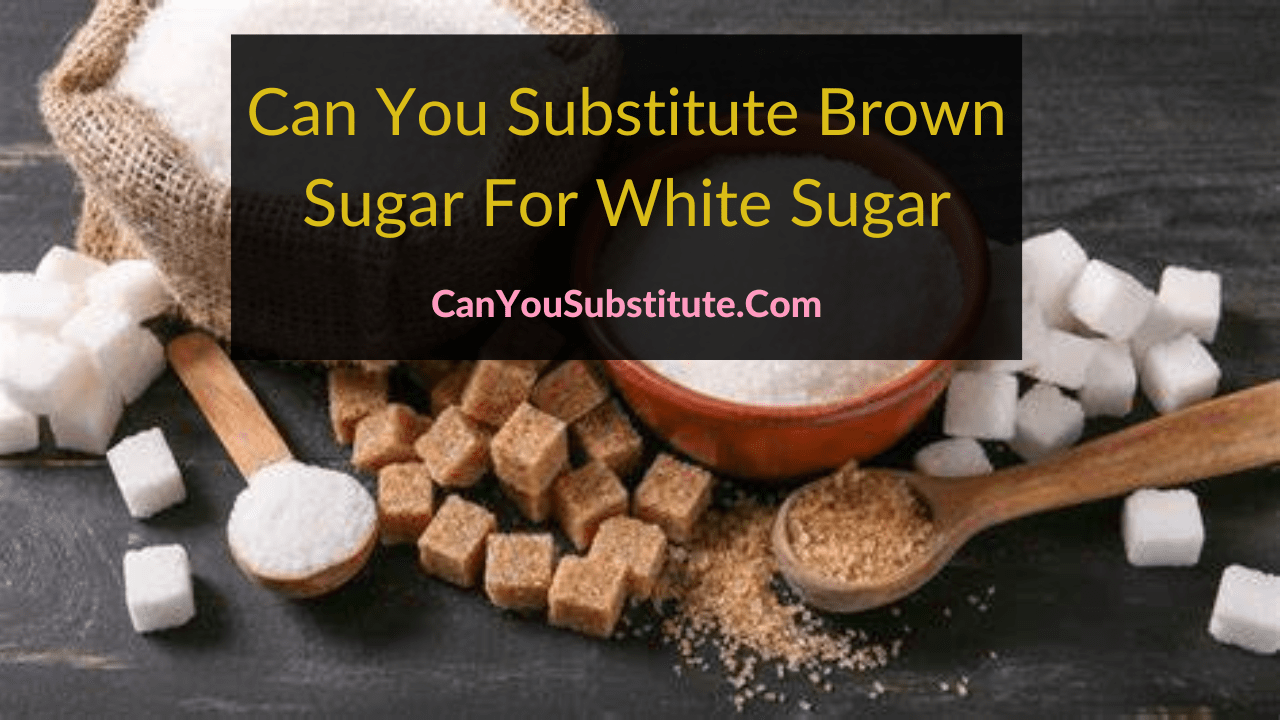 Can You Substitute Brown Sugar For White Sugar? - How To Replace Brown
Brown sugar also brings textural benefits beyond flavor. Because it contains more acid than white sugar, it reacts differently with baking soda, helping to create a soft, puffy rise in goods like pancakes or quick breads. This makes it a fantastic secret weapon for turning a mediocre batch of muffins into a tender, moist treat. On the flip side, if you’re looking to cut back on refined sugar, note that brown sugar is still just sucrose with molasses—it’s not a health food. But using it in moderation can help you reduce overall sugar intake since its deeper flavor makes a little go a long way in things like oatmeal or yogurt.
Ultimately, the decision comes down to what you’re aiming for in your dish. Do you want a crisp-edged cookie or a gooey one? A clean, bright sweetness or a caramel hug? The beauty of this substitution is that it’s rarely a disaster—most times, it just changes the outcome in a pleasant, unexpected way. So the next time you’re out of white sugar, grab that brown bag without stress. Embrace the nuance, enjoy the experiment, and know that you’re not just substituting—you’re playing with your food, and that’s always a good thing.
