Can Binaural Beats Make You Hallucinate

Binaural Beats: The Audio Trip You Didn't Know You Could Take Ever felt like you've missed the invite to the coolest party in town? Well, buckle up, because we're about to sp...
Binaural Beats: The Audio Trip You Didn't Know You Could Take
Ever felt like you've missed the invite to the coolest party in town? Well, buckle up, because we're about to spill the beans on an audio adventure that's been lurking in the shadows of your headphones. We're talking about binaural beats, folks, and they're not just for sound engineers and audiophiles anymore.
So, What's the Deal with These Beats?
Binaural beats, my friend, are like the DJs of your brain. They're created when you listen to two slightly different frequencies in each ear. Your brain tries to make sense of this audio mismatch and, voilà, it starts generating a third frequency. That's your binaural beat, and it's as unique as your fingerprint.
Now, here's where things get interesting. Different binaural beats can supposedly induce different states of mind. Some claim they can help you focus, others say they can help you relax. But can they make you hallucinate? That's the million-dollar question, isn't it?
Must Read
Let's Get Trippy: The Science Bit
First things first, let's address the elephant in the room. No, binaural beats won't make you see pink elephants dancing the tango. Sorry to disappoint. But they can induce altered states of consciousness, which can feel pretty trippy if you're not expecting it.
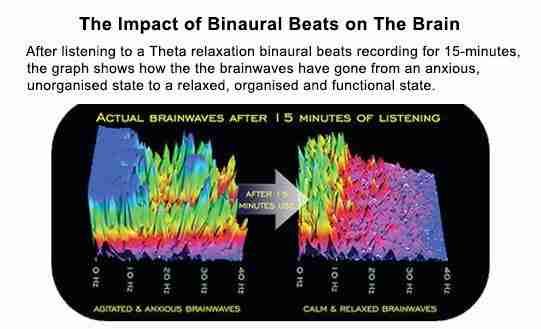
Here's the science: when your brain waves sync with the frequency of the binaural beat, it can slow down or speed up, depending on the beat's frequency. This can make you feel relaxed, focused, or even a bit spaced out. But it's not the same as dropping acid or popping mushrooms. It's more like having a few glasses of wine - it might make you feel a bit tipsy, but you're still in control.
But What About Those Weird Experiences?
You might have heard stories about people having weird experiences with binaural beats. Like seeing colors when there's nothing to see, or feeling like they're floating. But here's the thing: these experiences are usually down to something called suggestibility.
In other words, if you expect to have a weird experience, you're more likely to have one. It's like when you watch a scary movie and you're convinced there's a monster in your closet. Your brain is just playing tricks on you. But hey, who are we to judge? If you want to have a spooky sleepover with your headphones, we won't stop you.
 What are binaural beats? - Blank Dimensions
Can Binaural Beats Help with Meditation?
Now, you might be wondering if binaural beats can help you meditate. The short answer? Maybe. Some people find that the beats help them focus and zone out. Others find them distracting. It's all about what works for you.
But here's a fun fact: monks have been using binaural beats for centuries, without even knowing it. When they chant, they're creating a binaural beat. And when they meditate, they're using the power of the beats to help them focus. So, if it's good enough for the Dalai Lama, it's good enough for us, right?
So, Should You Give Binaural Beats a Try?
At the end of the day, binaural beats are just another tool in your audio toolbox. They might help you relax, they might help you focus, or they might just give you a weird tingling sensation in your ears. But they're not going to make you see little green men dancing the Macarena. Sorry to disappoint again.
So, if you're curious, give them a try. Put on your headphones, find a comfy spot, and let the beats do their thing. Just remember, like any new experience, it's all about expectation management. Don't expect to see the face of God in your toast, and you might just enjoy the ride.
