Can Bearded Dragons Eat Granny Smith Apples

For many reptile enthusiasts, the joy of keeping a bearded dragon comes not just from observing its quirky behaviors, but from the delicate art of curating a balanced, nutriti...

For many reptile enthusiasts, the joy of keeping a bearded dragon comes not just from observing its quirky behaviors, but from the delicate art of curating a balanced, nutritious diet. Watching your dragon eagerly chase a juicy cricket or gently nibble a fresh green is deeply rewarding, as it directly impacts their health, energy levels, and vibrant coloration. One of the most common questions that arises in this journey of care is whether these beloved omnivores can safely enjoy a human favorite: the Granny Smith apple. Understanding this specific fruit’s role is a small but crucial step in mastering your pet’s everyday nutrition, turning a simple snack into a calculated choice for wellbeing.
The key purpose of this article is to clarify the nutritional impact of Granny Smith apples on a bearded dragon’s diet. Like many fruits, apples are not a staple food for these desert-adapted reptiles, but they can serve as an occasional, hydrating treat. The primary benefit of a well-chosen treat like a small piece of Granny Smith apple is its high water content, which can help support hydration, especially for dragons that are picky about drinking from a bowl. However, the real value lies in understanding its moderation. An over-reliance on sugary fruits can lead to obesity, dental issues, and digestive upset, so this article acts as a clear guide to turning a potential risk into a safe, joyful enrichment experience.
To give you a practical context, imagine a warm Saturday afternoon. Your bearded dragon, Spike, is basking under his heat lamp, but you’ve noticed he hasn’t touched his bowl of collard greens. You’re looking for a way to entice him to eat something fresh. Offering a single, tiny cube—about the size of his eye—of a chilled, peeled Granny Smith apple can act as a powerful motivational tool. The tart flavor and crisp texture often trigger a curious bite, and once he tastes it, he might return to his greens with renewed interest. In this scenario, the apple isn’t a meal replacement; it’s a sensorily stimulating bonus that encourages a broader feeding behavior.
Must Read
Now, let’s break down the core nutritional considerations. Granny Smith apples are lower in sugar than many other apple varieties, which makes them a slightly safer choice among fruits. They also provide trace amounts of vitamin C and fiber. However, they also contain a significant drawback: a high oxalate content. Oxalates can bind to calcium in your dragon’s bloodstream, preventing its absorption and potentially leading to Metabolic Bone Disease (MBD), a serious and often fatal condition. This is why the apple must be a very rare treat—perhaps once every two to three weeks—and why it should always be served alongside a calcium-dusted staple meal to mitigate this risk.
For any bearded dragon owner eager to explore safe treat-giving, start with a simple protocol. First, always remove the peel and seeds. The peel is tough and hard to digest, while apple seeds contain trace amounts of cyanide, which is toxic even in tiny quantities. Second, cut the apple flesh into pieces no larger than the space between your dragon’s eyes to prevent choking. For an example, imagine dicing a Granny Smith into cubes the size of a pea. Lastly, introduce the apple piece as a single offering during a feeding, and observe your dragon’s reaction. If they ignore it or show signs of loose stool, wait longer before trying again.
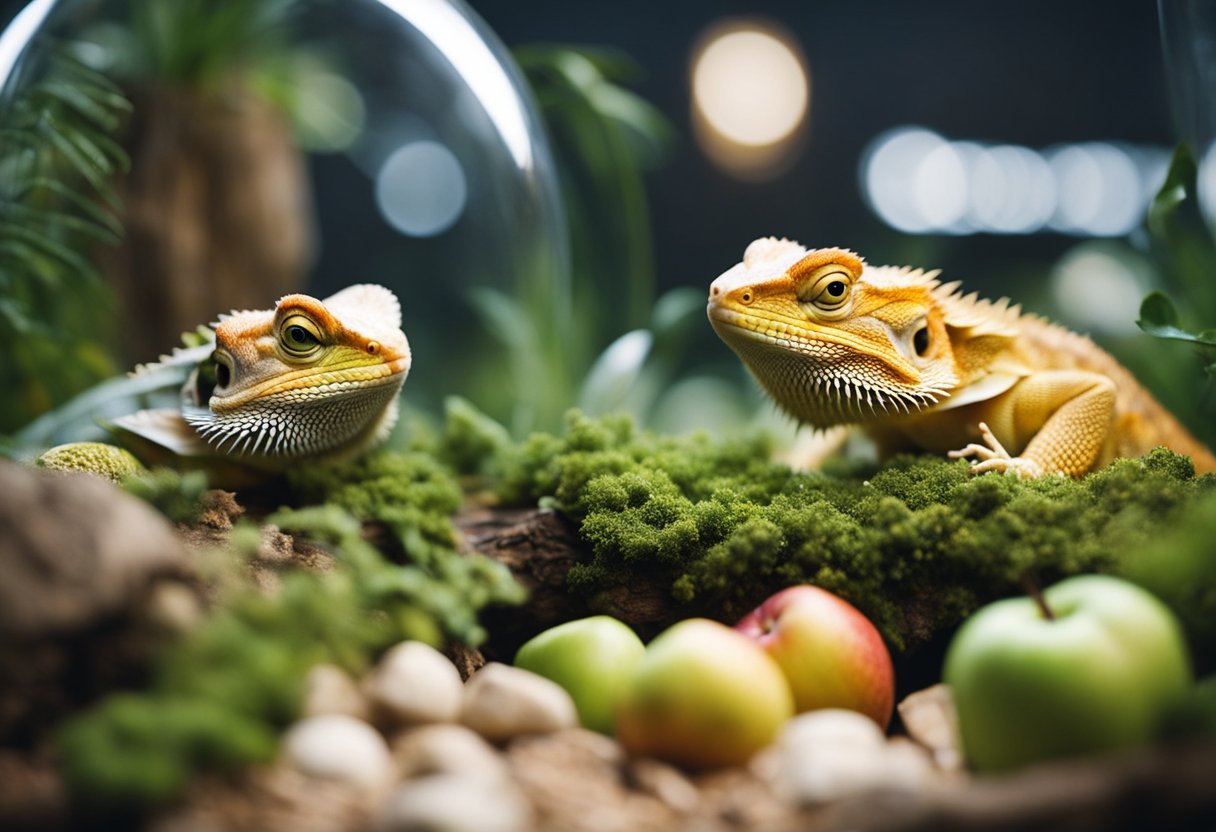 Can Bearded Dragons Have Apples? A Clear Answer with Expert Knowledge
A simple, actionable tip is to pair the apple with a calcium boost. Before offering that tiny apple cube, dust it lightly with a reptile calcium powder (without added D3 if your dragon gets adequate UVB light). This simple step counteracts the oxalate binding and transforms the treat from a potential nutrient thief into a more balanced snack. Another helpful tip is to think of the apple as a “special occasion” food, similar to how a human might enjoy a slice of cake—not daily, but as a celebrated exception. Keep a food log for your dragon, noting when you give fruit, so you don’t accidentally offer it too frequently.
In summary, the answer to whether bearded dragons can eat Granny Smith apples is a careful “yes, but only with clear limits.” The true value of this knowledge is not in the apple itself, but in the mindful feeding philosophy it represents. By understanding the risks of oxalates and the need for rarity, you empower yourself to make informed choices that prioritize your dragon’s long-term health over momentary enjoyment. Let this treat be a reminder that every aspect of care—from vegetables to fruits—is a chance to build a stronger, healthier bond with your scaly companion. Enjoy the process of learning, and your dragon will thank you with a bright-eyed, active life.
