Can Apple Cider Vinegar Be Substituted For White Vinegar

Picture this: you’re in the middle of making pickles, or maybe a killer salad dressing, and you reach for the white vinegar. But the bottle is empty. Your eye wanders to the a...
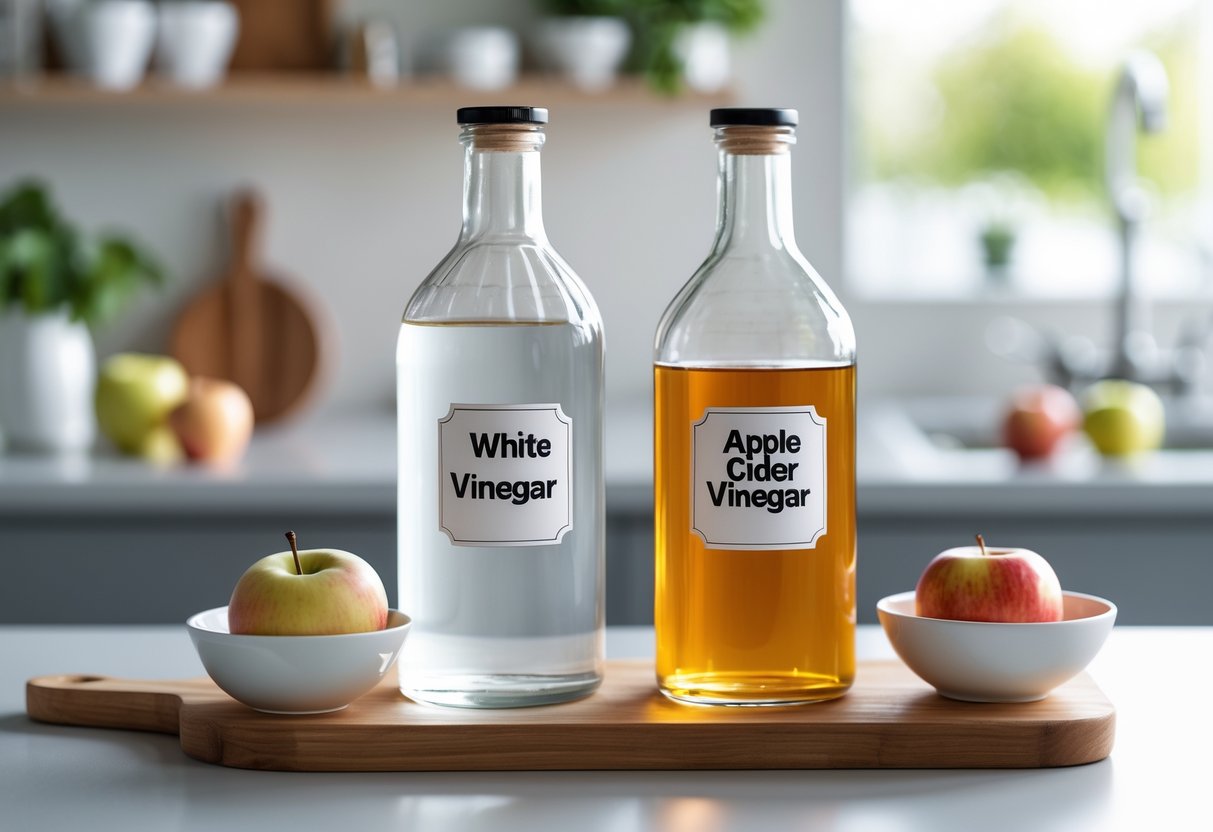
Picture this: you’re in the middle of making pickles, or maybe a killer salad dressing, and you reach for the white vinegar. But the bottle is empty. Your eye wanders to the apple cider vinegar, and you think, “Can I just… swap them?” It’s a culinary crisis that feels like deciding between a fire extinguisher and a water balloon. Let’s break down this bubbly dilemma before you ruin your dinner or, worse, your reputation as a kitchen genius.
The Great Vinegar Identity Crisis
At their core, both vinegars are made the same way: fermentation. White vinegar is distilled from grain alcohol, making it the pure, no-nonsense sourpuss of the pantry. Apple cider vinegar (ACV) comes from fermented apples, meaning it’s basically the hipster cousin who brings its own kombucha to parties.
They both contain acetic acid—the stuff that makes your face pucker—but ACV is milder and has a fruity tang. Think of white vinegar as a punch in the taste buds, and ACV as a gentle slap with a leather glove dipped in apple juice.
Must Read
Surprising fact: white vinegar is about 5-7% acetic acid, while ACV clocks in around 5-6%. That’s close enough to make you wonder why you even have a separate bottle. But chemistry isn’t the only player here—flavor is the bouncer at this party.
When Substitution Works Like a Charm (And When It’s a Disaster)
If you’re cleaning your coffee maker or killing weeds in the driveway, go ahead and swap them all day long. Acetic acid is acetic acid when it comes to scrubbing mineral deposits or making your garden look like a war zone. Your coffee maker won’t care if it tastes like apple—it’s a machine, not a sommelier.
But in cooking? That’s where things get spicy. For pickling, white vinegar gives you that sharp, clear brine that makes cucumbers taste like they’ve been to boot camp. ACV will turn your pickles into sweeter, cloudier, apple-ish soldiers. Some people love that; others will throw a jar at you.
For salad dressings, ACV is often a superior ninja. It adds a fruity note that plays nice with olive oil and honey, while white vinegar can taste like you licked a battery. The golden rule? If the recipe calls for a neutral acid, use white. If you want a background song of apple, ACV is your band.
:max_bytes(150000):strip_icc()/vinegar-substitutes-4048794_FINAL-252d330163154a90a3c5e56ed031e4d9.png) What to Substitute for Any Kind of Vinegar
What to Substitute for Any Kind of Vinegar
The Baking and Baking Soda Trap
Here’s a tricky one: baking. If you’re using vinegar to react with baking soda for that perfect cake rise, both vinegars will fizz like a science fair volcano. The chemical reaction doesn’t care about apple notes—it just wants acid. But the flavor? White vinegar is a ghost; ACV is a guest that won’t leave.
In a simple sponge cake, even a tablespoon of ACV can whisper “grandma’s apple pie” into your batter. That might be lovely. In a chocolate cake? You’ve just created a Franken-pastry that tastes like a failed experiment from Willy Wonka.
Surprising fact: many chefs actually prefer ACV for baking because its gentle acidity doesn’t overwhelm other flavors. But if you’re making a delicate meringue, stick with white vinegar. Otherwise, your meringue might taste like it’s trying to convince you to go gluten-free.
The DIY and Beauty Nightmare
Think you can swap these in your homemade face toner? Proceed with caution, you beautiful maniac. White vinegar is harsh enough to strip paint off a fence—put that on your face, and you’ll look like a sunburned tomato. ACV is gentler, but even it needs to be diluted like a shy teenager at a pool party.
 Can You Substitute Apple Cider Vinegar for White Vinegar
For cleaning glass, white vinegar is the champion; it evaporates without streaks. ACV leaves behind a sticky, sugary film that attracts flies. You’ll end up with spotty windows and a swarm of fruit flies that think you’ve opened a cider bar.
And let’s talk laundry: white vinegar brightens whites like a miracle. ACV? It might turn your white socks into apple-scented beige clouds. Not the look you want for a job interview.
The Final Verdict (Or, “Did I Just Waste My Money?”)
Here’s the bottom line: you can substitute ACV for white vinegar in about 70% of cases, but please, for the love of all that is tangy, taste what you’re doing first. If you’re making a brine for pickles or a cleaning spray, go for it. If you’re trying to win a vinegar-tasting contest, you’ll get laughed out of the room.
One last surprising fact: apple cider vinegar has been used as a folk remedy for everything from hiccups to warts. White vinegar? It’s mostly for getting stains off your counter. So, if you swap them, you might accidentally cure your hiccups while unclogging a drain. That’s multitasking, baby.
In the end, both vinegars are perfectly fine substitutes in a pinch—just don’t blame me if your pickles end up tasting like a Ferris wheel of regret. Now go forth, experiment, and remember: if all else fails, you can always just order pizza.
