Can A Seller Back Out Of A Contract Before Closing

The dream of buying a home is one of life’s most significant milestones—a place to build memories, plant roots, and enjoy financial stability. For sellers, it often represents...

The dream of buying a home is one of life’s most significant milestones—a place to build memories, plant roots, and enjoy financial stability. For sellers, it often represents a fresh start, a payoff of years of investment, or the culmination of careful planning. Both parties enter a real estate contract with the expectation that the deal will close smoothly. But what happens when the seller, for any number of reasons, has second thoughts? The question of whether a seller can back out of a contract before closing is not just a legal curiosity; it is a real-world concern that can disrupt lives, strain finances, and test the very trust that underpins property transactions.
At its core, a real estate contract is a legally binding agreement. Once both buyer and seller have signed, they are typically obligated to fulfill its terms—including the transfer of the property at an agreed price. The key purpose of this binding nature is to provide certainty and security for both parties. For the buyer, it means they can plan their move, arrange financing, and schedule inspections without fear of sudden cancellation. For the seller, it guarantees that the buyer is committed, protecting them from lost time and opportunity. In everyday life, this legal framework allows families to switch jobs, downsize for retirement, or upgrade to a larger space with confidence. Without it, buying or selling a home would be a chaotic gamble.
However, the short answer is that a seller generally cannot back out of a contract without facing serious consequences. If a seller simply changes their mind—perhaps they decide the market will go higher, or they emotionally regret leaving the house—they are still bound by the agreement. Breaking it unilaterally would be a breach of contract, which can lead to a lawsuit. The buyer could sue for specific performance, a court order forcing the seller to complete the sale. Alternatively, the buyer might accept monetary damages, often including their lost deposit, inspection fees, and additional costs like temporary housing. In hot real estate markets, these damages can escalate quickly, making a backing-out very expensive for the seller.
Must Read
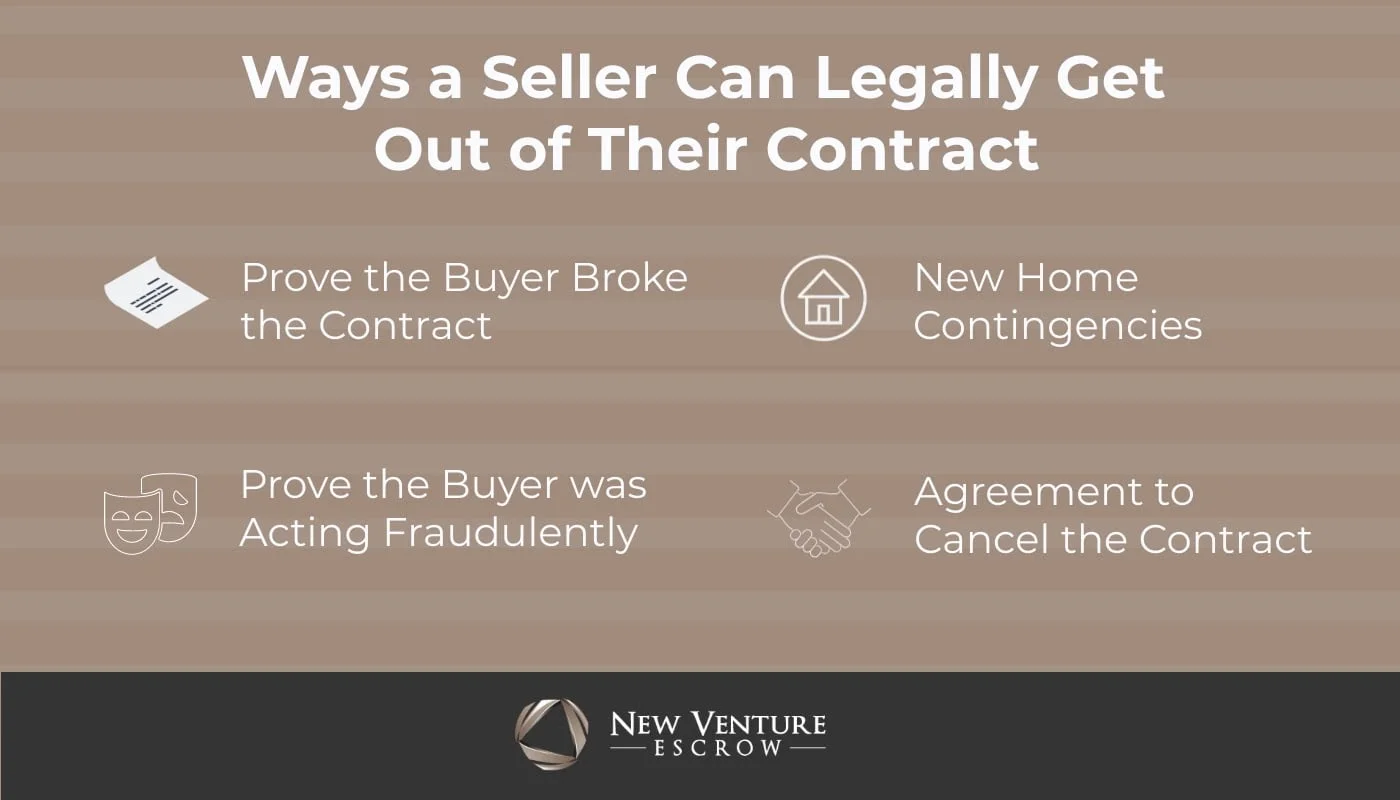
There are, however, a few specific loopholes that allow a seller to exit the deal legally. The most common is the contingency clause. For example, if the contract includes a contingency that the seller must find a suitable new home within a certain timeframe, and they cannot, they may be able to cancel without penalty. Another scenario involves the buyer’s failure to meet their obligations—such as not obtaining financing by the deadline, or failing to complete an inspection request. In these cases, the seller may have the right to terminate the contract and keep the buyer’s earnest money deposit. Additionally, if the property is damaged significantly before closing (e.g., by fire or flood), many contracts allow the seller to withdraw or renegotiate. But these exceptions are narrow and require clear contractual language.
Consider a real-world example: Sarah agrees to sell her home to Tom for $400,000, with closing set for 60 days. A week before closing, Sarah’s job transfer falls through, and she wants to stay put. She tells Tom she is backing out. Tom, who has already sold his own apartment and arranged a new mortgage, faces huge stress. He can sue Sarah for specific performance, tying up the property for months, or he can demand $30,000 in damages (the cost of his temporary apartment, storage, and emotional inconvenience). In most states, a court would side with Tom because the contract is binding. On the flip side, if Tom’s financing approval expires due to his own negligence—and the contract has a financing contingency—Sarah can back out legally, keep the deposit, and relist the home.
 Can You Get Out Of Buying a House Before Closing? - New Venture Escrow
For everyday life, understanding these rules is a form of empowerment. It helps buyers and sellers avoid heartbreak and financial loss. A simple tip for buyers: never rely on verbal promises. Ensure every contingency (loan approval, home inspection, appraisal) is written in the contract explicitly. For sellers: if you are unsure about selling, consider adding a “home sale contingency” to give yourself an exit, but know that it may weaken your negotiating position. Another practical tip is to document everything—emails, signed addenda, and deadlines. If a dispute arises, written proof is your best asset. Finally, consult a real estate attorney before signing, especially if you suspect you might need to terminate the contract later. A good attorney can draft protective clauses that balance your interests.
In conclusion, while the real estate market is full of emotional highs and lows, the contract is meant to be a rock-solid commitment. A seller can only back out before closing in limited, legally defined circumstances—typically when a contingency is unmet or the buyer defaults. For the rest, the deal must proceed, or the seller risks significant penalties. By appreciating the binding nature of these agreements, both buyers and sellers can navigate the process with greater confidence. The joy of owning a home or successfully closing a sale comes not just from the property itself, but from the legal structure that makes the transaction fair, predictable, and safe for everyone involved.

