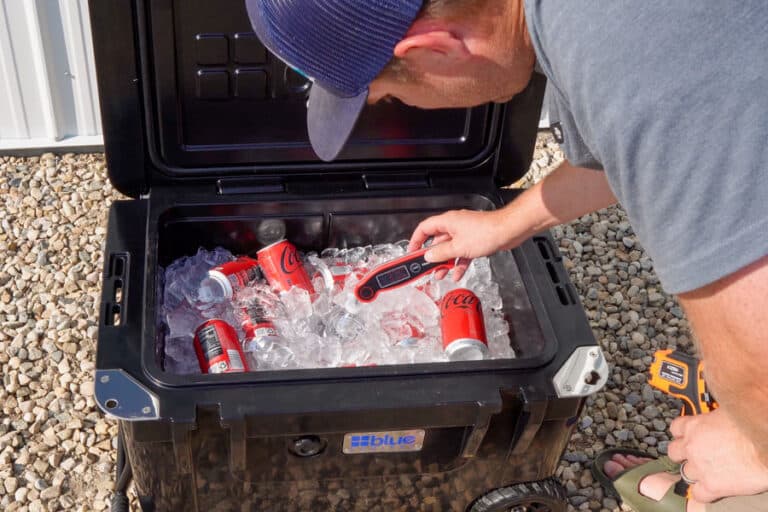
Can A Cooler Keep Temperature Constant

When you think about coolers, chances are the first thing that pops into your mind is a beach trip, a tailgate party, or a backyard barbecue. That's completely understandable—...

When you think about coolers, chances are the first thing that pops into your mind is a beach trip, a tailgate party, or a backyard barbecue. That's completely understandable—coolers are everywhere, and they've become one of the most useful pieces of outdoor gear people own. But have you ever stopped and asked yourself: can a cooler actually keep the temperature inside it constant? It's a surprisingly common question, and the answer is more layered than most people expect. Whether you're hauling groceries, keeping medicine at the right temperature, or just trying to make sure your favorite drinks stay perfectly chilled all day, understanding how a cooler works can genuinely change the way you use one.
So, why does this matter in the first place? Well, for starters, keeping food and drinks at a steady, safe temperature is a matter of health and safety. Nobody wants to deal with a case of food poisoning because the ice melted too fast on a camping trip. Families who rely on coolers for outdoor events, communities that distribute perishable goods, and even individuals traveling long distances with medication can all benefit from knowing whether their cooler is truly holding temperature or just buying them some time. When you understand what's actually happening inside your cooler, you can make smarter decisions about what to store and how long it will stay fresh.
The honest truth is that a standard cooler cannot keep temperature completely constant. Here's why: a cooler is essentially an insulated box. It doesn't generate cold on its own—it just slows down the rate at which heat enters. When you open the lid, warm air rushes in, and the ice or gel packs slowly absorb heat and melt. Over time, the temperature inside will gradually rise. Premium brands like Yeti or RTIC can extend that window significantly thanks to thicker walls, better gasket seals, and high-density insulation, but even they can't stop thermal transfer entirely. The laws of thermodynamics don't take a day off, folks.
Must Read
That said, coolers are still incredibly practical and surprisingly effective. Think about a family on a road trip stopping at a gas station—popping open a cooler to grab a sandwich that's still cold and fresh after three hours on the road. Or picture a group of friends at a football tailgate, reaching into a fully packed cooler every quarter and finding their beverages perfectly chilled well into overtime. There are also less obvious uses, like a nurse transporting insulin in a soft-sided cooler during a shift, or a festival-goer keeping allergy medication safe in the summer heat. In all these cases, the cooler doesn't need to maintain exact temperature forever—it just needs to keep things within a usable range long enough for the task at hand.
If you want to get the most out of your cooler, there are a few simple tricks that make a huge difference. First, always pre-chill your cooler before loading it—throw in some ice and let it sit for an hour, then toss it before packing. Second, pack smart: fill every air pocket with items or ice packs so there's less space for warm air to circulate. Third, minimize how often you open the lid, and make sure that rubber gasket seal is in good condition. Finally, consider adding a few frozen water bottles instead of loose ice—they create a thermal mass, double as drinking water later, and melt more slowly, keeping things colder longer. These small adjustments can turn a basic cooler into a much more reliable temperature holder.
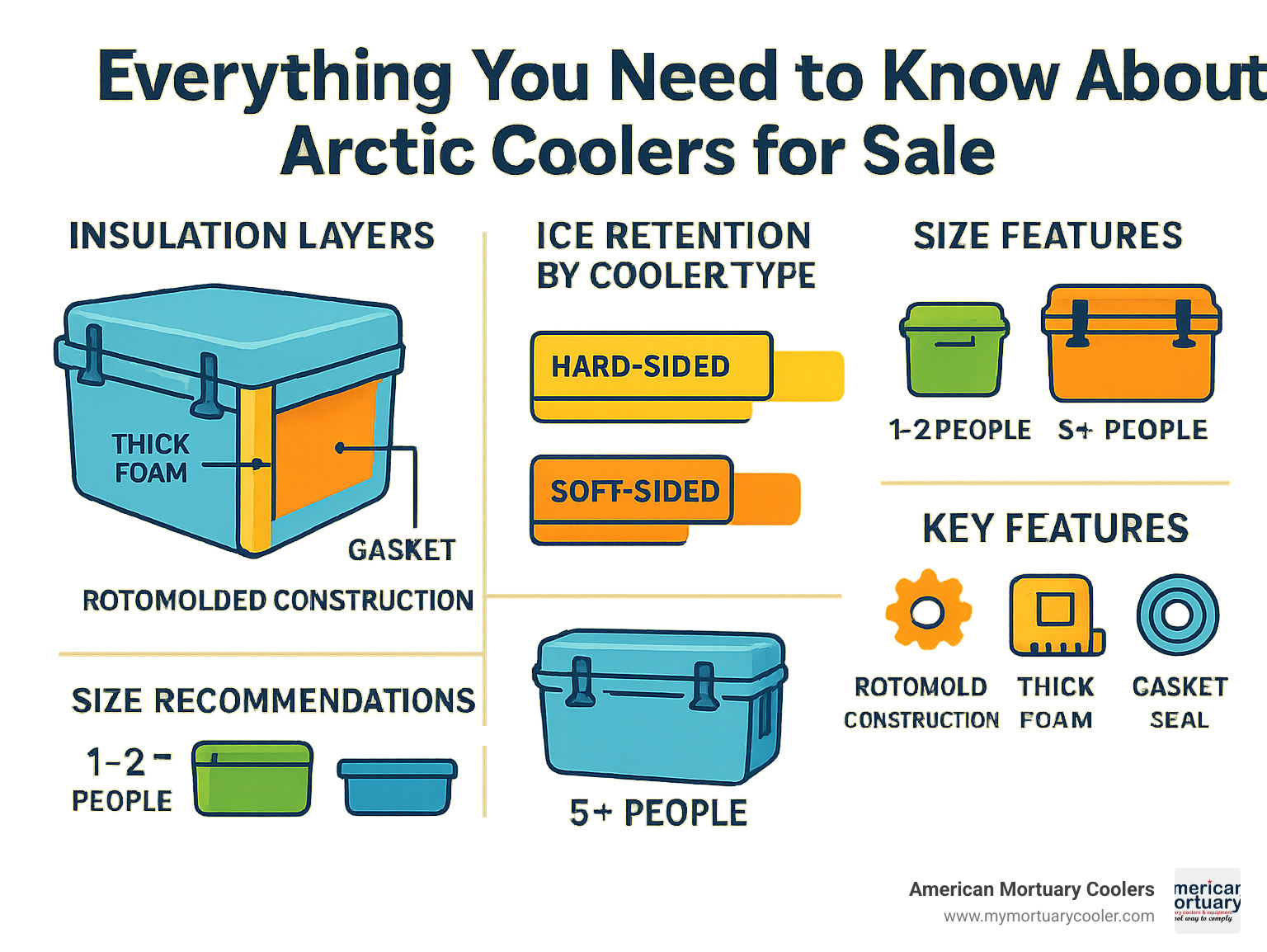 How Long Does a Cooler Keep Things Cold
There's also the growing market of temperature-maintaining coolers that blur the line between a cooler and a portable refrigerator. Products like electric-powered coolers that plug into a car's outlet or solar panels, or phase-change material packs that maintain precise temperatures for extended periods, are gaining popularity among serious outdoor enthusiasts and professionals alike. These options get much closer to actual temperature regulation, though they naturally come at a higher price point. It's worth considering if your use case—say, transporting lab samples or keeping insulin stable at exactly 5°C—demands the kind of precision a passive cooler just can't offer.
At the end of the day, a cooler is one of those surprisingly powerful everyday tools that most of us underestimate. It may not defy physics and hold a perfect temperature indefinitely, but it gives you a reliable buffer against heat—a window of hours where your food stays safe, your drinks stay crisp, and your materials stay protected. And for most situations, that's more than enough. Whether you're a weekend camper, a busy parent, or someone who just likes having a cold drink ready at a moment's notice, knowing how your cooler works—with a little preparation and smart packing habits—enables you to squeeze every ounce of performance out of it. Coolers won't keep temperature perfectly constant, but they'll absolutely keep one step ahead of the heat, and honestly, that's pretty impressive for a trip to the store.