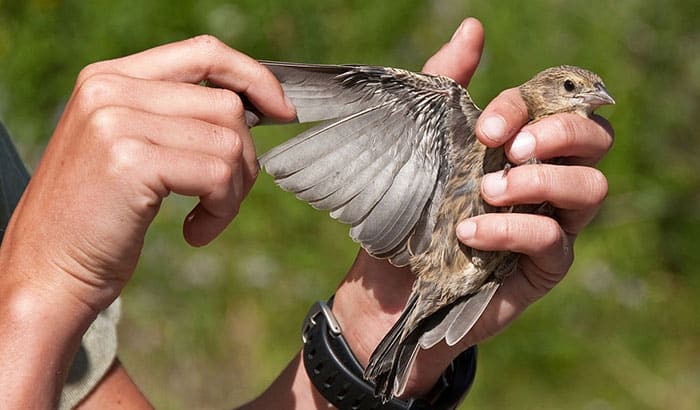
Can A Bird Survive With A Broken Wing

Imagine spotting a beautiful bird sitting on your fence with a drooping, twisted wing — it's a heartbreaking sight, but one that millions of bird lovers, backyard enthusiasts,...

Imagine spotting a beautiful bird sitting on your fence with a drooping, twisted wing — it's a heartbreaking sight, but one that millions of bird lovers, backyard enthusiasts, and nature watchers encounter every single year. The question of whether a bird can survive with a broken wing has sparked debates in birding communities, wildlife forums, and veterinary clinics alike. It's a topic that matters because understanding what to do can mean the difference between life and death for an animal that plays a vital role in our local ecosystems. Whether you're a parent teaching your kids about nature or an active community member involved in wildlife rescue, knowing the facts matters more than you might think.
The short answer is — yes, some birds can survive with a broken wing, but it depends enormously on the type of bird, the nature of the injury, and how quickly intervention occurs. For example, a small house sparrow with a minor fracture might recover on its own in a week or two, while a larger raptor like a red-tailed hawk with a shattered bone may require months of rehabilitation or, worst-case scenario, permanent captivity. In the wild, however, survival rates drop sharply. A bird that can't fly is an easy target for hawks, cats, raccoons, and even neighborhood dogs. So while the bird itself might not die from the broken wing, the secondary dangers of being grounded often seal its fate.
Think about real-life situations. A family in Oregon once found a young robin with a fractured wing beneath their patio table during a thunderstorm. They quickly placed it in a ventilated box — a shoebox with air holes — kept it warm, and contacted a local wildlife rehabilitation center. Within three weeks, the robin had healed and was released back into their backyard bird feeder area. Stories like this show that everyday people can make a real difference. Communities that host bird-watching events often encounter injured birds too, and their collective knowledge about gentle handling and proper transport can save dozens of lives each year. It's especially rewarding when families get involved together.
Must Read
If you ever find a bird with an apparently broken wing, there are some practical steps you can take immediately. First, do not attempt to set the bone yourself — that's a job for licensed wildlife rehabilitators or avian veterinarians. Instead, gently place the bird in a soft, dark, ventilated container. Keep it away from loud noises and children so it stays calm. Offer small amounts of water with a syringe if the bird seems dehydrated, but avoid feeding it unless you know exactly what its species eats. Water and nuts are common mistakes people make. Second, contact a nearby wildlife rescue organization or search for your state's animal rescue hotline. These professionals have the tools and training to X-ray, splint, and rehabilitate properly.
 How to Help a Bird with a Broken Wing: 13 Steps (with Pictures)
For bird enthusiasts and community groups, there are even more things you can do. Building bird-friendly habitats — like leaving patches of natural shelter, avoiding pesticide use, and installing bird boxes — reduces injury risks in the first place. Many neighborhood associations have started incorporating wildlife-friendly practices into their community guidelines. Schools can also educate children about recognizing and responding to injured animals, fostering a generation of compassionate nature lovers. Start simple: post a quick guide on your community board or share it on social media. Every small action adds up to meaningful change over time.
In conclusion, the question "Can a bird survive with a broken wing?" doesn't have a one-size-fits-all answer, but the hopeful truth is that with prompt care, proper resources, and community awareness, recovery is absolutely possible for many species. From a apartment-dweller finding a fallen finch to a rural farmer rescuing an injured owl, anyone can help. Keep a rescue kit handy — a box, towel, and local rehab number — and share this knowledge with others. Together, we can ensure that injured birds get the chance they deserve to heal, fly, and thrive once again.