Calcium Channel Blockers Names Of Drugs

Grab your coffee and pull up a chair, because we need to talk about drugs. Not the fun, illegal kind—sorry, wrong table—but the kind that keep your ticker from throwing a tant...
Grab your coffee and pull up a chair, because we need to talk about drugs. Not the fun, illegal kind—sorry, wrong table—but the kind that keep your ticker from throwing a tantrum. I’m talking about calcium channel blockers, the unsung heroes of blood pressure control.
Their names sound like rejected characters from a sci-fi novel: Amlodipine, Nifedipine, Diltiazem. Try saying “Diltiazem” three times fast while your doctor is listening. You’ll sound like a wizard casting a spell on your own arteries.
So, what the heck is a calcium channel blocker doing inside you?
Imagine your blood vessels are grumpy, tight-fisted security guards. Calcium is the key that unlocks their “squeeze” mode. A calcium channel blocker is the bouncer that slaps that key out of their hand.
Must Read
Without that key, your blood vessels relax. And relaxed blood vessels mean lower blood pressure, less chest pain, and a heart that isn’t doing its best impression of a jackhammer at 3 a.m.
The most famous of the bunch? Amlodipine. It’s the Beyoncé of the calcium blocker world—everyone prescribes it, and it shows up everywhere, even in generic versions with names like “Amlodipine Besylate.” (Say that at a party; you’ll sound very sophisticated.)
The Calcium Blocker All-Stars (and the weirdos)
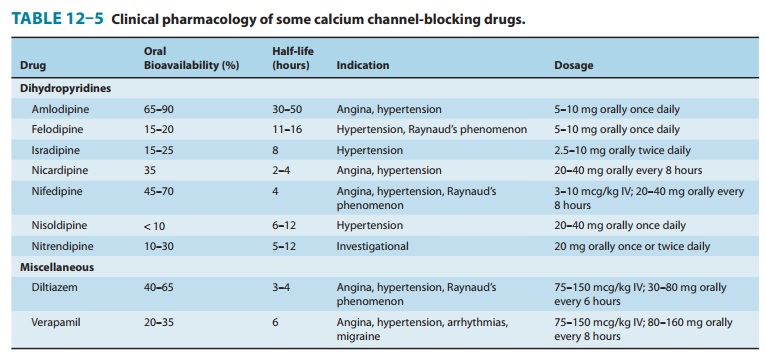
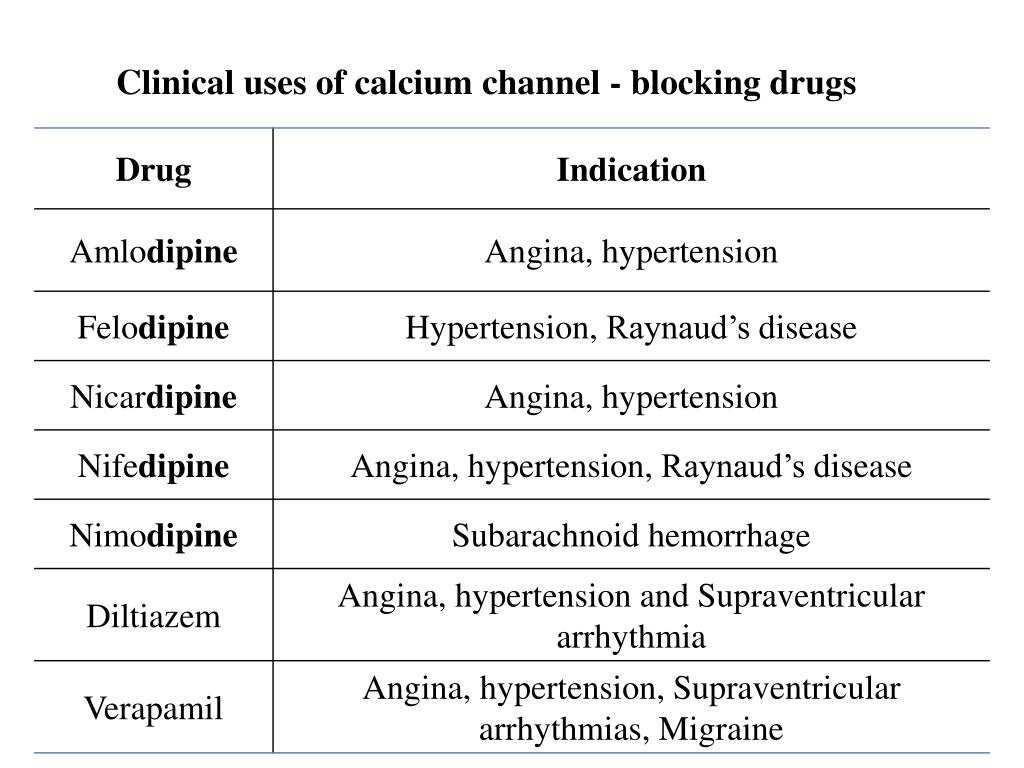
Let’s run down the roster, starting with the dihydropyridines. That’s a mouthful, so just call them the “-ipine” crew: Amlodipine, Nifedipine, Felodipine. They work fast and mostly target blood vessels.
Then we have the non-dihydropyridines—the slow, careful introverts: Verapamil and Diltiazem. These guys are picky. They also slow down your heart rate, like a DJ who keeps turning down the BPM at a wild party.
Here’s a surprising fact: Nifedipine, when taken as a quick-release capsule, can feel like a freight train hitting your veins. It works so fast that some people get a pounding headache. Doctors now mostly use the slow-release version. Think of it as “Nifedipine: The Director’s Cut—Longer, Safer, Less Dizzy.”
Why you might get one—and why your doctor is a genius
These drugs are not one-size-fits-all. Your doctor picks the drug like a sommelier picks wine—except the wine is for your blood vessels, and the side effects include ankle swelling or constipation. Yes, constipation. Verapamil is the worst offender. You will become intimate with prunes.
Another weird side effect: gingival hyperplasia. That’s a fancy way of saying your gums might puff up like overstuffed pillows. Brush your teeth extra well, or you’ll look like you’re hiding a secret stash of gum in your mouth.
 PPT - Antihypertensive agents PowerPoint Presentation, free download
But here’s the kicker: calcium channel blockers aren’t just for blood pressure. They’re also used for migraines and even Raynaud’s phenomenon—where your fingers turn white in the cold, like you’ve become a zombie. Verapamil and Nifedipine can warm those cold fingers right up.
The memory game: how to remember the names
Struggling to remember if your pill is “Amlodipine” or “Amlor” (a brand name)? Think: “Amlo-dipine” sounds like “ammo-dipine.” It’s ammunition for your arteries. Or remember the “pine” at the end, like a pine tree—tall, sturdy, and unbothered.
For Diltiazem, imagine “dill” pickles and “tie” a “zem” (a strange family name). Honestly, just look at the bottle. Nobody is quizzing you at brunch.
The shocking plot twist: calcium channel blockers can prevent strokes
Yes, you read that right. In a huge study called ALLHAT (the nerdiest acronym in cardiology), Amlodipine was shown to lower stroke risk just as well as older drugs like diuretics. That’s a big deal. Your doctor didn’t just pick a random word from a Scrabble bag.
But there’s a catch: they can interact with grapefruit juice. Not the whole fruit—just the juice. Grapefruit juice blocks the enzyme that breaks down the drug, so you get a super-dose. That’s bad. Your blood pressure might drop like a lead balloon. Save the grapefruit for your toast, not your pill.
The bottom line (no pun intended)
Calcium channel blockers are old, gold, and weird. They’ve been around since the 1960s, when bell-bottoms were cool. And they’re still saving lives, one relaxed blood vessel at a time.
If you’re taking one, give it a respectful nod. And if you ever feel your ankles puff up or your gums look like a cushion, don’t panic. Just call your doctor and say, “Hey, I think my bouncer is overworking my blood vessels.” They’ll get the joke. Or they’ll think you’re confused. Either way, you’re in good hands.
Now, go drink your coffee—but maybe skip the grapefruit juice. Your arteries will thank you.
