Burning Temp Of Oils

Smoke Gets in Your Eyes: The Art of Oil Temperature Ever wondered why your kitchen suddenly looks like a scene from a '70s disco when you heat up some oil? It's not just your...
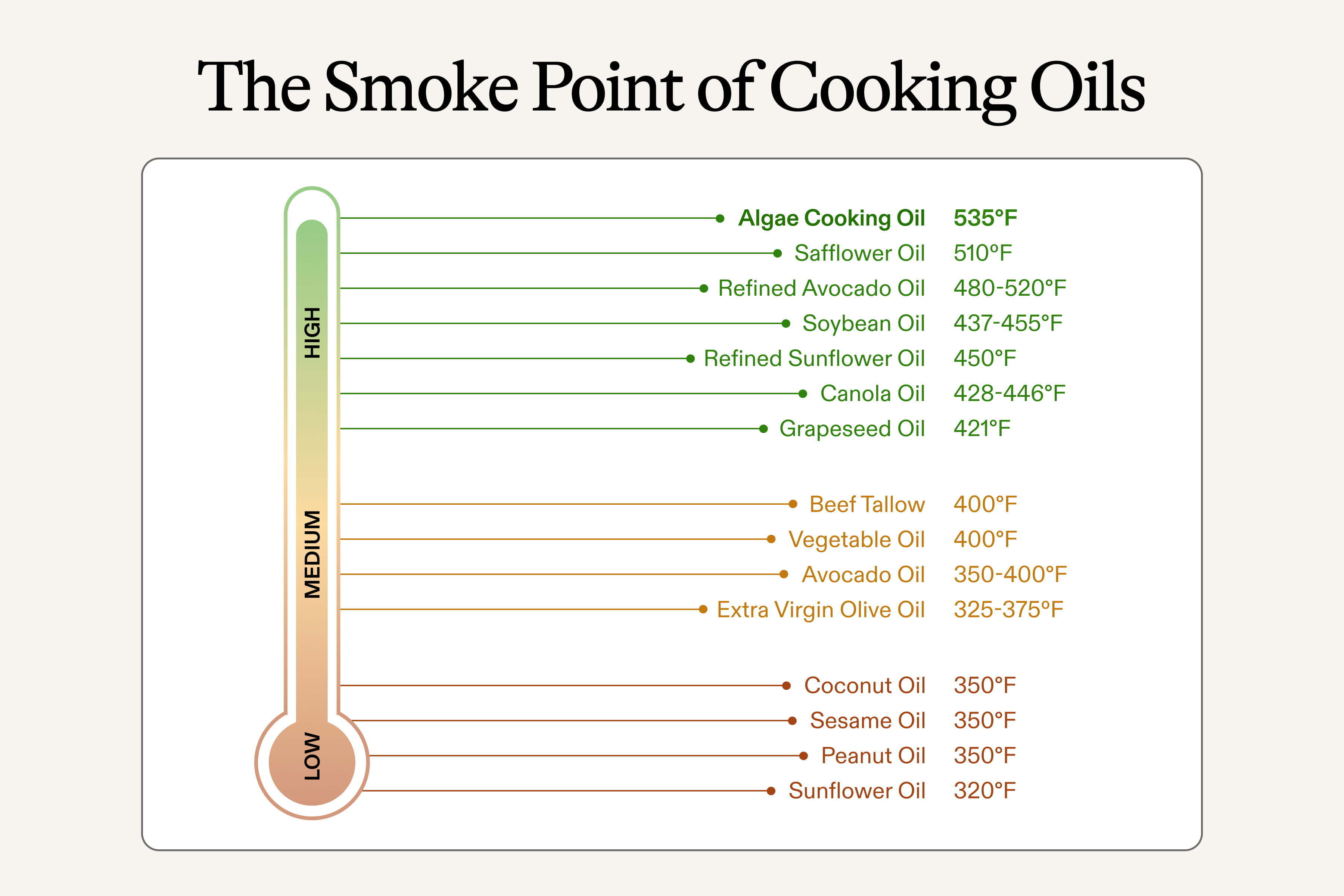
Smoke Gets in Your Eyes: The Art of Oil Temperature
Ever wondered why your kitchen suddenly looks like a scene from a '70s disco when you heat up some oil? It's not just your cooking skills trying to channel John Travolta, it's the smoke point of your oil at work. But don't worry, we're not about to serve you a lecture on chemistry with a side of deep-fried jargon. Let's dive in, shall we?
What's the Deal with Smoke Points?
In simple terms, the smoke point is the temperature at which an oil starts to break down and produce smoke. It's like the oil's personal 'don't touch me' line. And no, it's not just about aesthetics - smoking oil can impart a burnt flavor to your food and produce harmful compounds.
Think of it like a party. You've got your cool, laid-back oils (like extra virgin olive oil) who are happy to chat at room temperature. Then you've got your high-energy, life-of-the-party oils (like refined peanut oil) who can handle the heat and keep the dance floor packed.
Must Read
Oil Profiles: The A-List of Cooking Oils
Let's meet some of the hottest oils on the block, shall we?
- Extra Virgin Olive Oil - The classy, low-key cousin with a smoke point around 375°F (190°C). Great for dressings, dips, and low-heat cooking.
- Avocado Oil - The fitness enthusiast with a high smoke point of 520°F (271°C). Perfect for searing, stir-frying, and high-heat cooking.
- Refined Peanut Oil - The party animal with a smoke point of 446°F (230°C). Great for frying and high-heat cooking.
See, oils are like people - each has its own unique personality and comfort zone. And just like you wouldn't ask your introverted friend to MC your wedding, you wouldn't use extra virgin olive oil to deep-fry your turducken.
/SPR_1328753-smoking-points-of-fats-and-oils-vegetableoil-5c7989d3c9e77c00012f81e7.png) Does Boiling Vegetables Deplete Their Nutritional Value
Does Boiling Vegetables Deplete Their Nutritional Value
Tips for Keeping Your Cool in the Kitchen
Now that you're an oil connoisseur, let's keep your kitchen cool and your food delicious:
- Use the right oil for the right job. High smoke point oils for high heat, low smoke point oils for low heat.
- Keep an eye on your oil. If it starts to smoke, turn down the heat or remove from heat immediately.
- Don't reuse oil. Once it's been heated, it's lost some of its smoke point mojo. Drain it, let it cool, then toss it.
Reflecting on the Heat
So, there you have it - the art of oil temperature. It's not just about cooking, it's about understanding and respecting the unique qualities of each oil. Just like in life, it's all about knowing your limits and when to turn down the heat. Now go forth, oil whisperers, and create culinary magic!
