Black Vs Pinto Beans Nutrition

Let’s be real for a second. You’re standing in the bean aisle, staring at two bags that look almost the same. Black beans or pinto beans? It’s a classic showdown, and honestly...
Let’s be real for a second. You’re standing in the bean aisle, staring at two bags that look almost the same. Black beans or pinto beans? It’s a classic showdown, and honestly, it’s way more interesting than you might think. Forget the “they’re all just protein” line—these little guys have personalities.
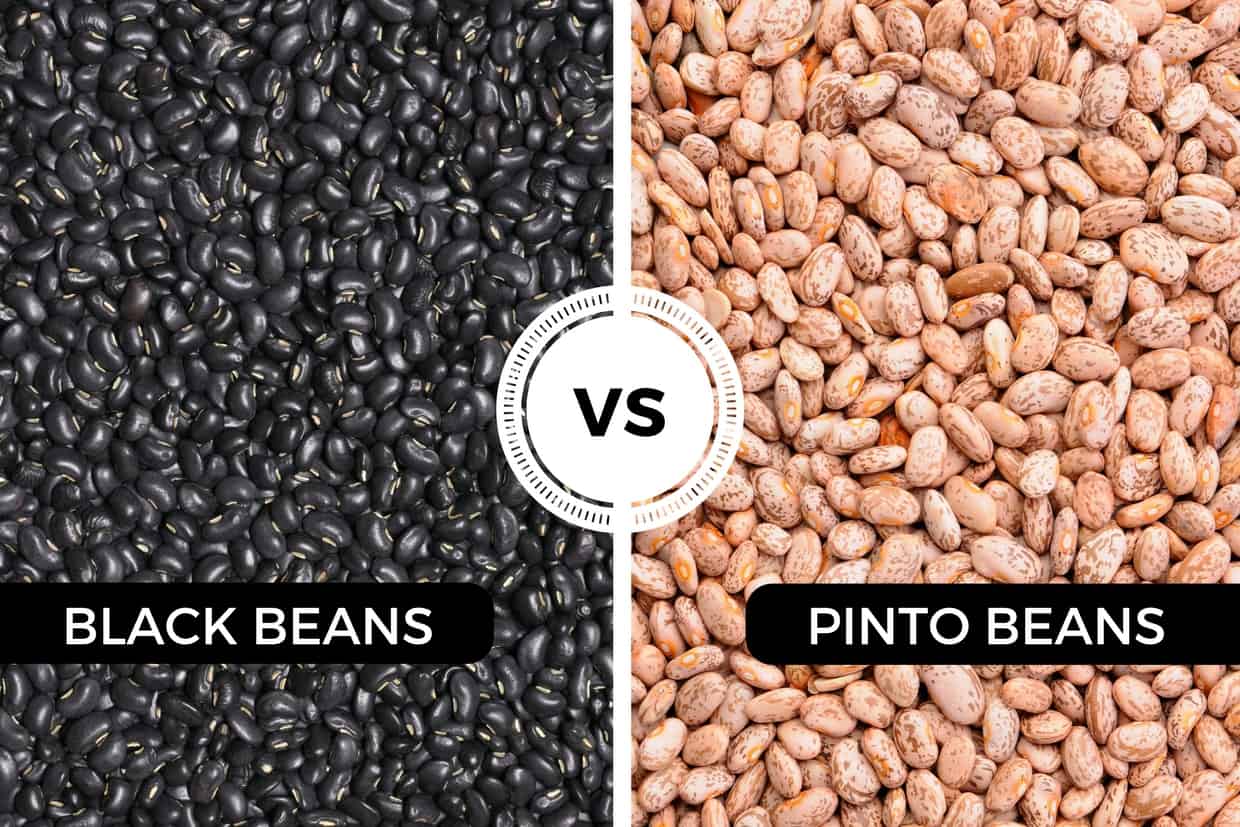
First off, they look like they’re from different worlds. Black beans are these sleek, dark warriors, almost mysterious in their matte finish. Pinto beans are the quirky cousin, splotchy and beige, like someone spilled coffee on a white shirt. But don’t judge a bean by its cover, right? The real magic starts when you dig into what’s actually inside each tiny package.
The Fiber Frenzy
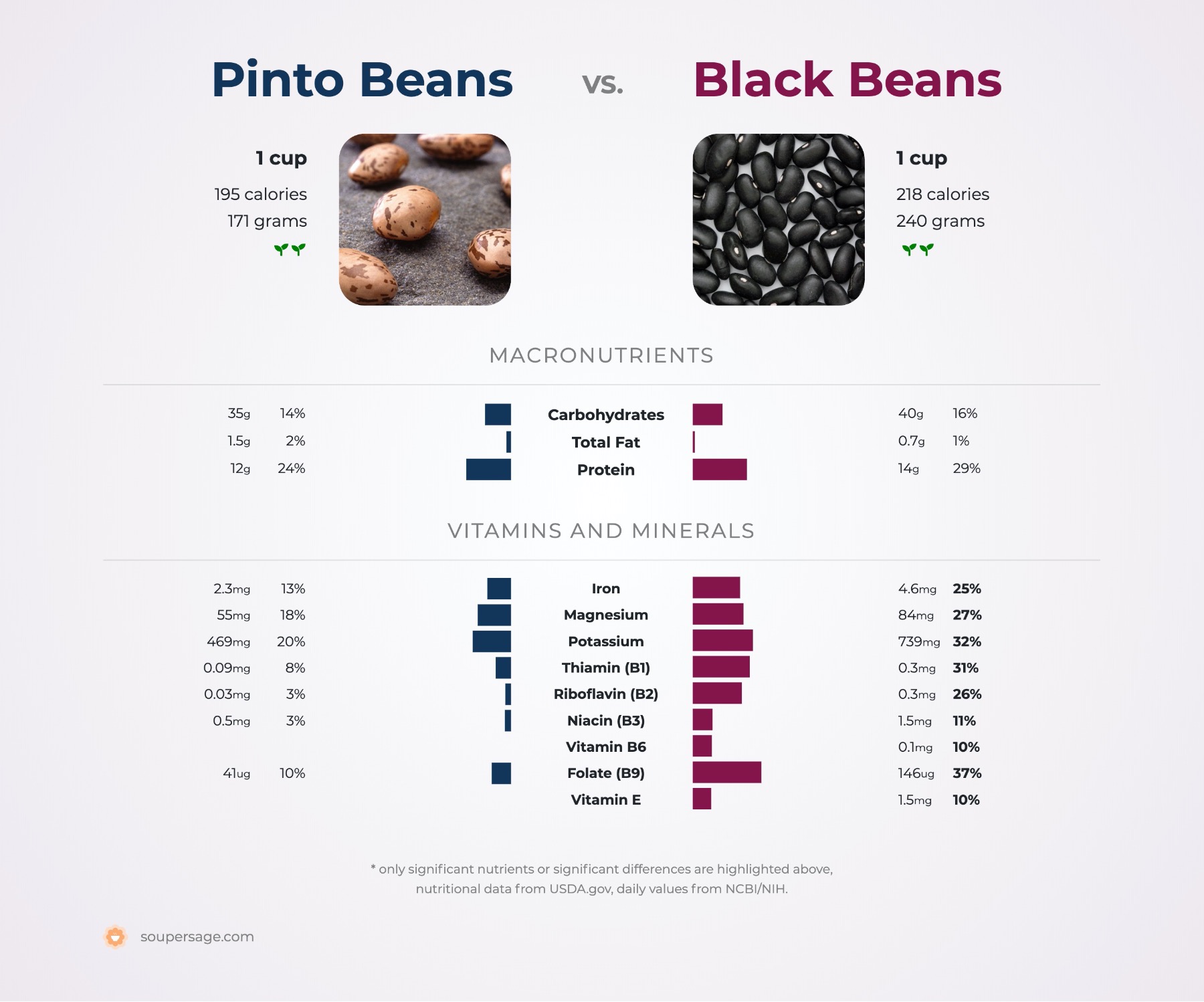
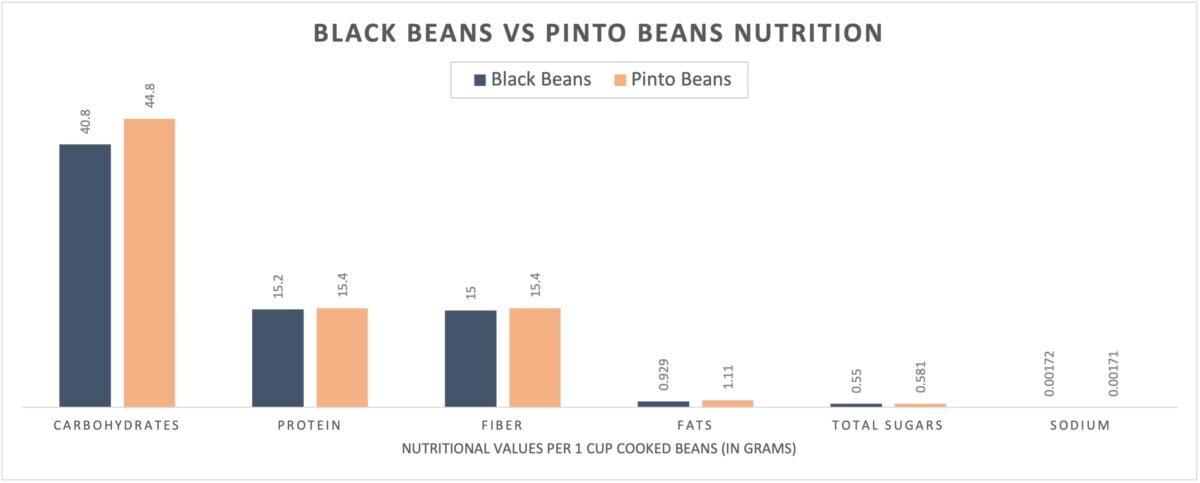
You want to feel full and keep your gut happy? Fiber is your best friend. Both beans are packed with it, but there’s a tiny twist here. Black beans edge ahead with about 15 grams of fiber per cup, while pintos hang around 12 grams.
Must Read
That extra fiber in black beans is like having a tiny construction crew in your stomach, slowly building a wall of satisfaction. But don’t count pintos out—they still get the job done. It’s like comparing a Swiss Army knife to a solid hammer: both work, just one has a few more tools.
Protein Power Play
Everyone loves a good protein stat, right? Well, both beans are heavy hitters here, offering around 15 grams per cooked cup. It’s basically a tie in the ring of nutrition. You’re not going to lose muscle mass picking one over the other.
The cool part is how your body uses it. Black beans have a slightly higher amino acid profile for something called lysine, which helps build collagen and absorb calcium. Pintos aren’t slacking—they team up perfectly with rice to make a complete protein. It’s like a buddy movie where both stars win.
Minerals and the Magic of Color
Here’s where things get fascinating. The dark color of black beans isn’t just for drama—it’s from anthocyanins, the same antioxidants found in blueberries. These little fellows fight inflammation like tiny bodyguards. Pinto beans are lighter, so they have less of those flashy compounds, but they’re still loaded with folate, magnesium, and phosphorus.
Think of it this way: black beans are the superfood influencer at the party, all dressed in black and talking about free radicals. Pintos are the reliable friend who shows up with a warm blanket and a bag of iron. One is flashy, the other is practical, and both are essential for your health.
 Pinto Beans vs Black Beans: Exploring Their Nutrition, Taste, and
Iron: The Surprising Twist
Did you know beans are a sneaky source of iron? Black beans win this round with about 3.6 milligrams per cup, while pintos are close at 3.3 milligrams. That might not sound like a lot, but compared to spinach? It’s a giant.
Here’s the trick: your body absorbs iron better from animals, so pair your beans with vitamin C. Squeeze a lime over a bowl of black beans, and suddenly you’re an absorption wizard. Pinto beans love a splash of tomato sauce too—same effect, different flavor vibe.
Calcium and Bone Building
Most people grab dairy for calcium, but beans have something to say. Black beans offer about 80 milligrams of calcium per cup, while pintos clock in at 45 milligrams. That’s a noticeable gap. If you’re building bones like a tiny architect, black beans are the premium bricks.
But here’s the fun part: pinto beans are rich in magnesium, which helps your body actually use that calcium. It’s not always about the raw numbers, but how they work together. Pintos might have less calcium, but they’re the quiet manager that makes sure the team functions.
The Digestion Factor
Let’s get real for a second—beans can make you gassy. It’s a fact of life. But black beans contain something called raffinose, a complex sugar that’s tough to break down. Pintos have a bit less of it, so they might be gentler on a sensitive stomach.
 Are Black Beans or Pinto Beans Healthier? | Lifelong Metabolic
If you’ve ever eaten a huge bowl of black beans and felt like a balloon, you’re not alone. Soaking and rinsing them (canned or dried) helps kick that raffinose to the curb. It’s like giving your gut a heads-up before the party starts.
Flavor and Feeling
Okay, nutrition is great, but what about taste? Black beans are earthy, almost smoky, with a denser texture that holds up in soups and tacos. They’re the introvert of the bean world—strong and subtle. Pinto beans are creamy, buttery, and almost melt in your mouth. They’re the extrovert, showing up to burritos and refried dishes with a splash of lime.
Your decision might just come down to mood. Want a bold, stand-up-alone bean? Go black. Craving something comforting and mashable? Pintos are your soul mate. Neither is wrong, and that’s the beautiful thing.
The Final Verdict (Spoiler: It’s a Tie)
After all that, here’s the truth: black beans have a slight edge in fiber, calcium, and antioxidants. Pinto beans win on creaminess, digestibility, and magnesium. But seriously? They’re both nutritional rock stars that cost pennies per serving. You’re not making a bad choice—ever.
So why not experiment? Have a “black bean week” with chili and salads, then flip to a “pinto week” with burrito bowls and bean dips. Your body will thank you for the variety, and your taste buds will love the adventure. After all, the coolest thing about nutrition is that you don’t have to pick one side—you can eat both and call it a win.
