Bicarbonate Of Soda Instead Of Baking Powder

Okay, so picture this: you're knee-deep in a recipe, feeling like the next Gordon Ramsay, when you glance at the list and see baking powder. You rummage through the cupboards...

Okay, so picture this: you're knee-deep in a recipe, feeling like the next Gordon Ramsay, when you glance at the list and see baking powder. You rummage through the cupboards like a maniac and—oh no. There's none. There IS, however, a tub of bicarbonate of soda sitting proudly on the shelf, minding its own business like the unassuming hero it is.
You might be tempted to panic, throw the bowl across the room, and order a pizza instead. But hold your horses, friend—because bicarb is not just baking powder's weird cousin. It's actually a completely legitimate substitute, and with a tiny bit of know-how, your cupcakes will still rise beautifully.
What Even Are We Dealing With Here?
Here's the thing: baking powder is basically bicarb with a day job. It's bicarbonate of soda mixed with an acid—usually cream of tartar—and sometimes a bit of cornstarch to keep things chill in storage.
Must Read
The bicarb does the fluffy work, and the acid gives it something to react with so it can—well, rise. Meanwhile, plain bicarb is just the raw, untamed power sketch, waiting for something acidic to boost it into action.
Think of baking powder as a helmet and safety gear for baking—deliberate, calm, and already equipped. Bicarb, on the other hand, is a bare-knuckle boxer who just needs to be placed in the right ring.
The Golden Conversion Rule
Now pay attention, because here comes the part where people usually mess up in spectacular fashion. If a recipe calls for 1 teaspoon of baking powder, you should use roughly a quarter teaspoon of bicarbonate of soda—and then add something acidic to kick it off.
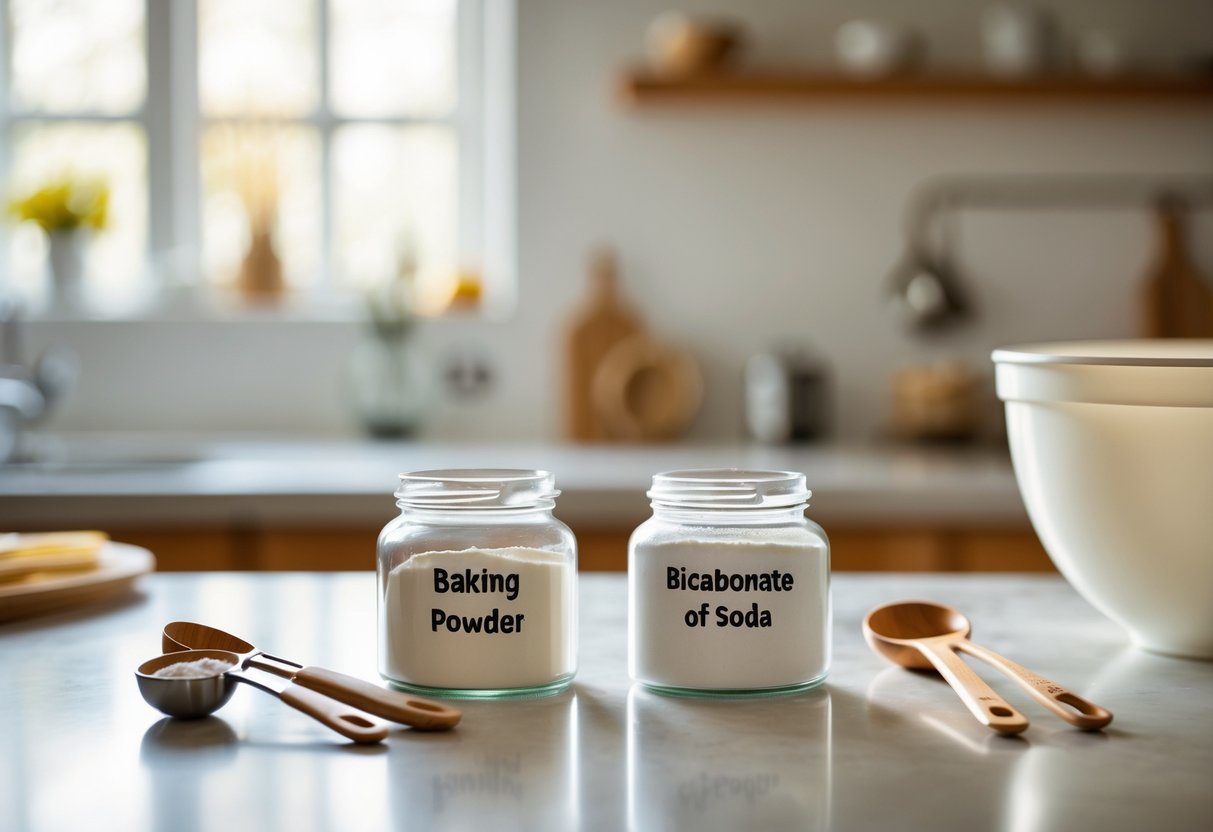 Can I Use Baking Powder Instead of Bicarbonate of Soda? Recipe Tips
Why so much less? Because bicarb is approximately three to four times more powerful than baking powder when it comes to the whole rising thing. Go overboard and your cake will taste like the alkaline ocean.
The acid you add could be buttermilk, lemon juice, vinegar, or yogurt—basically anything that makes you pucker a little. That little chemical dance between base and acid is what creates the carbon dioxide bubbles that push your batter skyward.
Situations Where You're Already Golden
Here's a delicious secret: if your recipe already has buttermilk, yogurt, lemon juice, or vinegar in it, you may barely need any extra acid at all. The batter is practically screaming for bicarbonate of soda to jump in and join the party.
Think about it—chocolate chip cookies made with brown sugar? Bicarb thrives in that environment. Banana bread, sour cream muffins, buttermilk pancakes—these are all scenarios where bicarb is actually the star, and baking powder would just be the understudy.
 Baking Powder Vs Bicarbonate of Soda: What’s the Difference – Orbit Kitchen
A surprising fact for the nerds in the back: many professional chefs and bakeries prefer bicarbonate of soda for its cleaner, more immediate reaction. They say it gives more control over the rise and helps with browning thanks to the pH level shifting during baking.
What Happens If You Go Solo Without Acid?
Alright, so let's say you swap baking powder for bicarb and forget about the acid entirely. Your baked goods won't exactly explode or anything dramatic—you're not making volcanic science projects, sadly.
But they WILL taste flat, soapy, and weirdly bitter—like someone replaced your dessert with a bath bomb. The rise will be minimal, and your friends will politely smile and immediately drop the rest into the trash.
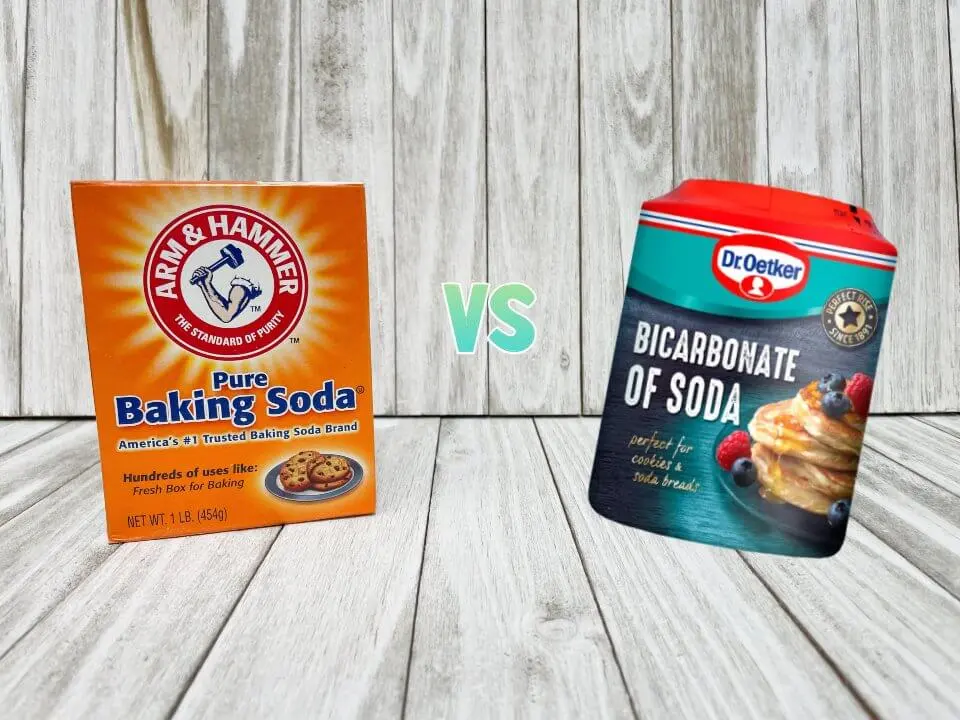 Bicarbonate Of Soda Vs Baking Soda: Complete Guide & Key Details | TAFT
So the acid is non-negotiable. It doesn't take much—a tablespoon of lemon juice or vinegar does the job for a full batch of muffins.
One More Fun Fact Before You Go
Sodium bicarbonate has been around for so long that ancient Egyptians used it as a cleaning agent and a leavening agent for bread. That's right—people were making ancient flatbread rise thousands of years before anyone invented a pre-mixed powder.
Also, the same tub sitting in your cupboard can freshen your fridge, deodorize your sneakers, and soothe an itchy sunburn. It's basically the Swiss Army knife of household staples.
So next time you're staring at a recipe that calls for baking powder and you don't have it, don't despair. Grab that trusty bicarbonate of soda, add a splash of something acidic, and cake like a champion.
