Best Time To Cut Back Asparagus

Let’s be honest: asparagus is the overachiever of the vegetable patch. It shows up early, stands tall and proud, and then suddenly turns into a floppy, ferny mess that looks l...
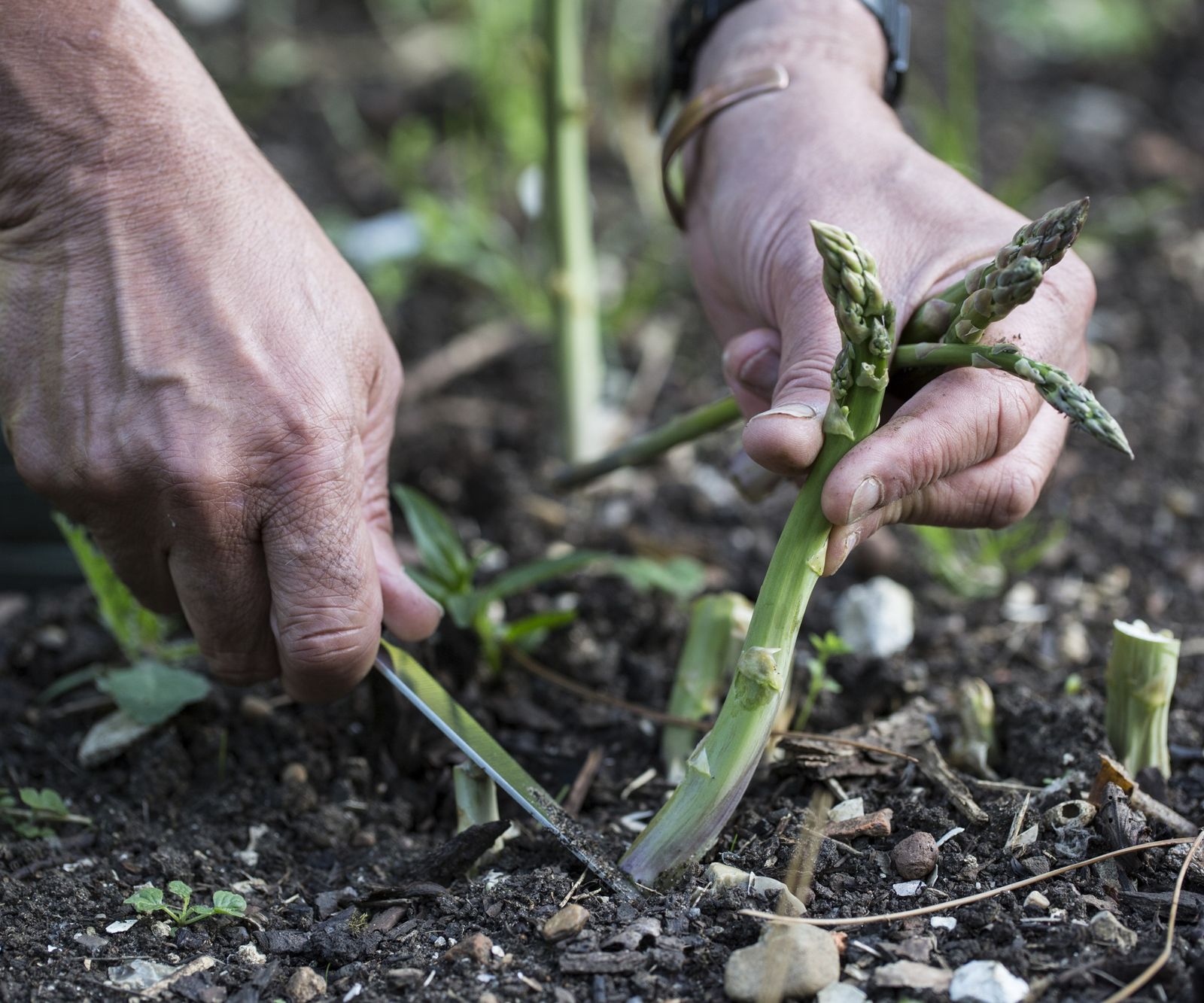
Let’s be honest: asparagus is the overachiever of the vegetable patch. It shows up early, stands tall and proud, and then suddenly turns into a floppy, ferny mess that looks like it’s having a bad hair day. You might find yourself staring at that feathery green explosion and wondering, “When on earth do I cut this thing back?” Don’t worry—you’re not alone. Almost every gardener has a little panic moment, hedge shears in hand, trying to remember if they’re supposed to chop now or wait for a frost.
The short answer: wait until after a hard frost
Here’s the simple rule: don’t cut back your asparagus until the foliage has turned completely brown and died back. That usually happens after the first good, hard freeze of autumn or early winter. If you’re in a warmer climate, you might be waiting until December or even January.
Think of the ferny tops as the plant’s solar panels. All summer long, those fronds are soaking up sunshine and turning it into energy for next year’s spears. Chop them too soon, and you’re basically unplugging your phone before it finishes charging.
Must Read
Why you shouldn’t rush the haircut
I learned this the hard way one October when I got impatient. It was a sunny weekend, and I thought, “Those ferns look ugly—let’s clean this bed up.” I trimmed everything down to the ground. The next spring, my spears were so skinny and sad they looked like they’d been on a diet. The plant needs that energy stored in its crown and roots to push up those thick, juicy spears you dream about for spring dinners.
So please, resist the urge to tidy up early. Let those golden-brown ferns stand like little scarecrows through the crisp days. They’re not dead—they’re just saving up their strength, like a bear getting ready for a long winter nap.
The “golden window” for cutting
Your ideal window is after the first hard freeze but before the new growth emerges in spring. That’s usually a period of a few weeks when the ground is cold but not frozen solid. If you cut them while they’re still green, you risk stressing the plant. If you wait too long into spring, the new spears start poking up, and you might accidentally snap them off with your shears.
:max_bytes(150000):strip_icc()/SL-how-to-trim-asparagus-courtney-west-05-2000-cc908032e1d049e798824487b5ff7121.jpg) How To Cook Asparagus Cut
How To Cook Asparagus Cut
Here’s a little trick: give the ferns a gentle tug. If they come away from the crown with almost no effort, you’re good to go. If they’re still clinging like a toddler to a parent’s leg at preschool drop-off, wait another week. Simple as that.
How to cut—without making a mess
When the time finally comes, grab a pair of clean, sharp pruners or hedge shears. Cut the stalks down to about two inches above the ground. Leaving those little stubs helps you see exactly where the crown is, so you don’t accidentally dig into it later when you’re mulching or weeding.
I like to toss the cut ferns into my compost pile, but don’t compost them if you’ve had any pest or disease issues—like asparagus beetles. Those little suckers can overwinter in the debris and come back for round two next summer. Better to bag them up and send them to the curb if you saw any spotted beetles hanging around.
 How to Cut Asparagus {Easy Tutorial} - Feel Good Foodie
What about the red berries?
If you spot bright red berries on your asparagus ferns in late summer, congratulations—you’ve got female plants! Those berries are pretty, but they can drop seeds and create a weedy mess of volunteer asparagus next spring. You can cut the berry-laden stems earlier if you want, but only after the ferns have started to yellow. It won’t hurt the crown much, and it saves you from a tiny asparagus forest popping up where you don’t want it.
The payoff is worth the wait
I know it’s tempting to treat your garden like a living room that needs dusting. But asparagus is the one plant that begs you to be lazy. Let it stand, let it rustle in the wind, let it look a little wild. When you finally do cut it back on a crisp November morning, you’ll feel like you did something right—because you did.
And next spring? Your reward will be those thick, green stalks snapping under your fingers, perfect for roasting with olive oil and salt. You’ll remember that patience pays off, and you’ll smile at the memory of those ugly brown ferns. So grab a hot coffee, head outside, and wait for that frost. Your asparagus will thank you.
