Benefits Of Eating Ginger Before Bed

There’s something wonderfully cozy about the idea of adding a little ginger to your nightly routine. Unlike strict health regimens that feel like a chore, sipping a warm cup o...
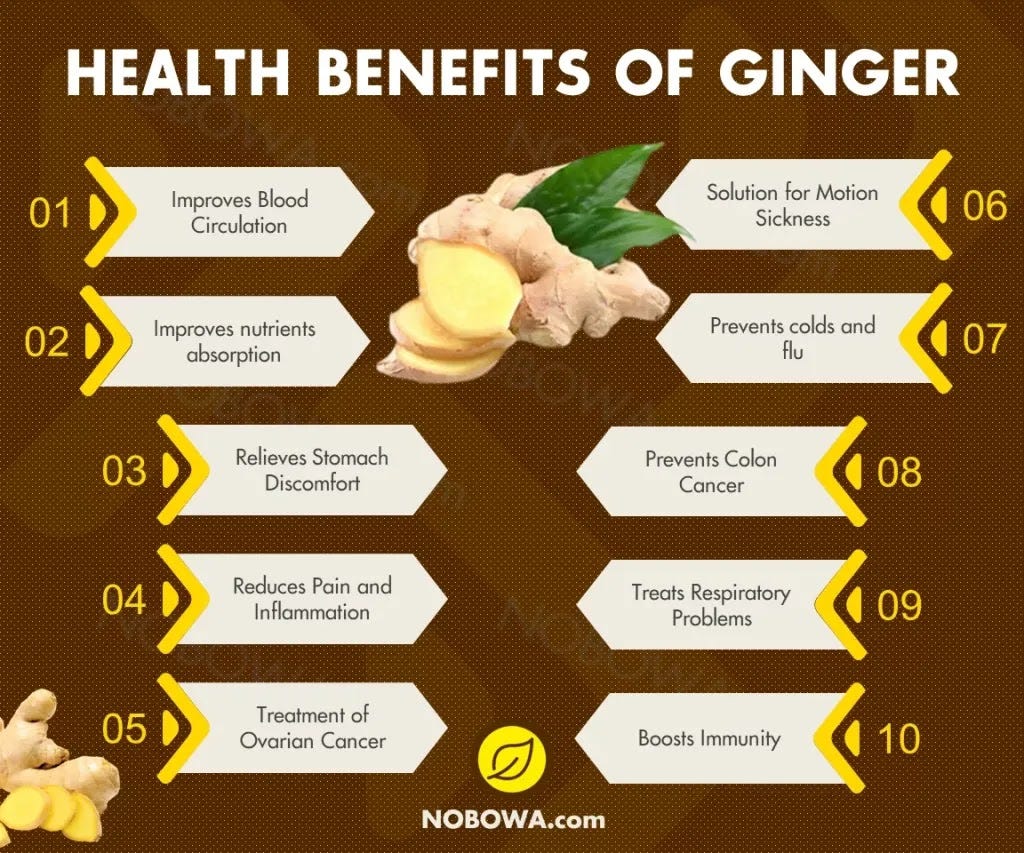
There’s something wonderfully cozy about the idea of adding a little ginger to your nightly routine. Unlike strict health regimens that feel like a chore, sipping a warm cup of ginger tea or nibbling on a crystallized piece before bed is both simple and surprisingly pleasant. This isn’t about a radical diet change; it’s about a small, thoughtful habit that many cultures have cherished for centuries. Whether you’re someone who struggles with digestion after a late dinner, or you simply want a natural way to unwind, ginger offers a gentle bridge to a better night’s sleep.
One of the most immediate benefits of eating ginger before bed is its ability to calm your stomach. If you’ve ever felt that annoying bloating or heavy sensation after a meal, ginger’s natural compounds—like gingerol—help soothe the digestive tract. It increases enzyme activity and encourages your body to break down food more efficiently, which means you’re less likely to be tossing and turning due to gas or indigestion. For those who enjoy a late snack, a thin slice of ginger in hot water acts like a gentle reset button for your gut.
Beyond digestion, ginger works wonders on sore muscles and tension that often build up during a long day. Thanks to its anti-inflammatory properties, a small amount of ginger can help reduce mild aches and pains, making it easier for your body to relax into sleep. Think of it as a warm, kitchen-friendly alternative to a massage. People who suffer from joint discomfort or evening restlessness often find that a nightly ginger ritual helps them drift off with less stiffness when morning comes.
Must Read
There’s also a subtle, quiet benefit for your immune system. As you sleep, your body goes into repair mode, and ginger’s antioxidants support this process by fighting off oxidative stress. Regular intake before bed can help fend off the sniffles or keep a mild cough from disrupting your rest. It’s especially popular during flu season, or after a day spent in crowded spaces. A ginger honey tea before bed isn’t just comforting—it’s a preventive little shield that works while you dream.
Common variations of this habit are easy to adopt. You might try fresh ginger tea—just simmer a few thin slices in water for five minutes, strain, and sip. If you prefer something sweeter, add a teaspoon of honey and a squeeze of lemon. For those who don’t want to brew anything, chewing on a small piece of crystallized ginger or adding ginger powder to a warm milk (like golden milk with turmeric) is just as effective. The key is to do it about 30 to 45 minutes before you plan to sleep, so your body has time to absorb the benefits without feeling overly stimulated.
 7 beneficios para la salud de comer jengibre a diario
A simple actionable tip: start small. Half a teaspoon of fresh grated ginger or one thin slice is plenty for the first few nights. Some people find raw ginger too zesty, so mix it with a bit of hot water or herbal tea. Listen to your body—if you feel too warm or your stomach becomes acidic, reduce the amount. Over time, you’ll find your perfect “ginger dose.” Consistency matters more than quantity, so make it a gentle ritual rather than a forced routine.
Ultimately, eating ginger before bed is about kindness to yourself. It’s a small, low-cost act that touches digestion, relaxation, and immunity all at once. You don’t need a prescription or a special appointment—just a spice you probably already have in your kitchen. So tonight, skip the heavy nighttime snack and try a warm ginger tea instead. Your stomach, your muscles, and your sleep cycle will thank you in the quiet hours of the night.
