Baking Vanilla Vs Pure Vanilla Extract

So you're in the baking aisle, standing in front of two bottles that look suspiciously similar. One says "Baking Vanilla." The other says "Pure Vanilla Extract." Both are pric...

So you're in the baking aisle, standing in front of two bottles that look suspiciously similar. One says "Baking Vanilla." The other says "Pure Vanilla Extract." Both are priced differently, and you're quietly panicking because someone is waiting at home for those cupcakes. Let's break this down before you accidentally pick the wrong one and ruin your entire brunch reputation.
What Even Is Pure Vanilla Extract?
Pure vanilla extract is essentially vanilla beans that went through an extensive spa day. Real vanilla pods are soaked in alcohol — usually ethanol — for months until they release their precious, fragrant oils. The result is a dark, aromatic liquid that smells like a hug from a fancy grandmother.
Legally, pure vanilla extract must contain at least 35% alcohol by volume and a minimum of 100 grams of vanilla beans per liter. That means every bottle is packed with actual vanilla magic, not just the idea of vanilla energy. It's the real deal, the MVP, the Beyoncé of flavoring.
Must Read
So What Is Baking Vanilla?
Baking vanilla is like showing up to a party in a convincing costume — it mimics the look and partially the taste of the genuine article. Most baking vanillas are made with artificial vanillin, synthetic compounds, or sometimes a tiny amount of real vanilla mixed with flavorings. Think of it as vanilla's younger cousin who copies its homework.
Some baking vanillas also contain water, sugar, caramel coloring, and gum additives to give them body and color. They perform in a pinch, but nobody's handing out an Oscar for that supporting role. You might be thinking, "Isn't that just flavor cheating?" Honestly? Kind of, but the oven doesn't judge.
Taste Test: Does It Actually Matter?
Here's where things get juicy. In a simple cookie recipe with lots of butter and sugar, the difference might be diluted enough that most people wouldn't notice. But in something like vanilla cake, custard, or a plain ice cream, pure vanilla extract sings while baking vanilla whispers from the back row.
 When to Use Vanilla Bean Paste vs Pure Vanilla Extract
Pure vanilla has hundreds of complex flavor compounds — around 250 to 500, depending on the bean. Synthetic vanillin, on the other hand, is a single dominant compound, usually lab-created or sourced from coal tar or petrochemicals. It's like comparing a full orchestra to one really loud kazoo.
Price Tag Drama
Pure vanilla extract costs more — sometimes a lot more. Madagascar vanilla beans are labor-intensive, hand-pollinated, and harvested by humans with more patience than most of us have at a DMV. Global demand and weather events have made real vanilla famously volatile (no pun intended).
Baking vanilla, meanwhile, sells at a fraction of the price because it's mostly manufactured flavorings. Budget pinch? That's actually understandable, and no one is confiscating your baking license. Just know what you're paying for — and what you're leaving behind.
Exotic Friend: Vanilla Flavoring vs Vanilla Essence
Quick detour: if you've ever seen "vanilla flavoring" or "vanilla essence" on a label, there's even less vanilla to be found here. These products are almost entirely synthetic and carry no real vanilla bean content whatsoever. They are the beige wallpaper of the flavor world — technically present, impossible to admire.
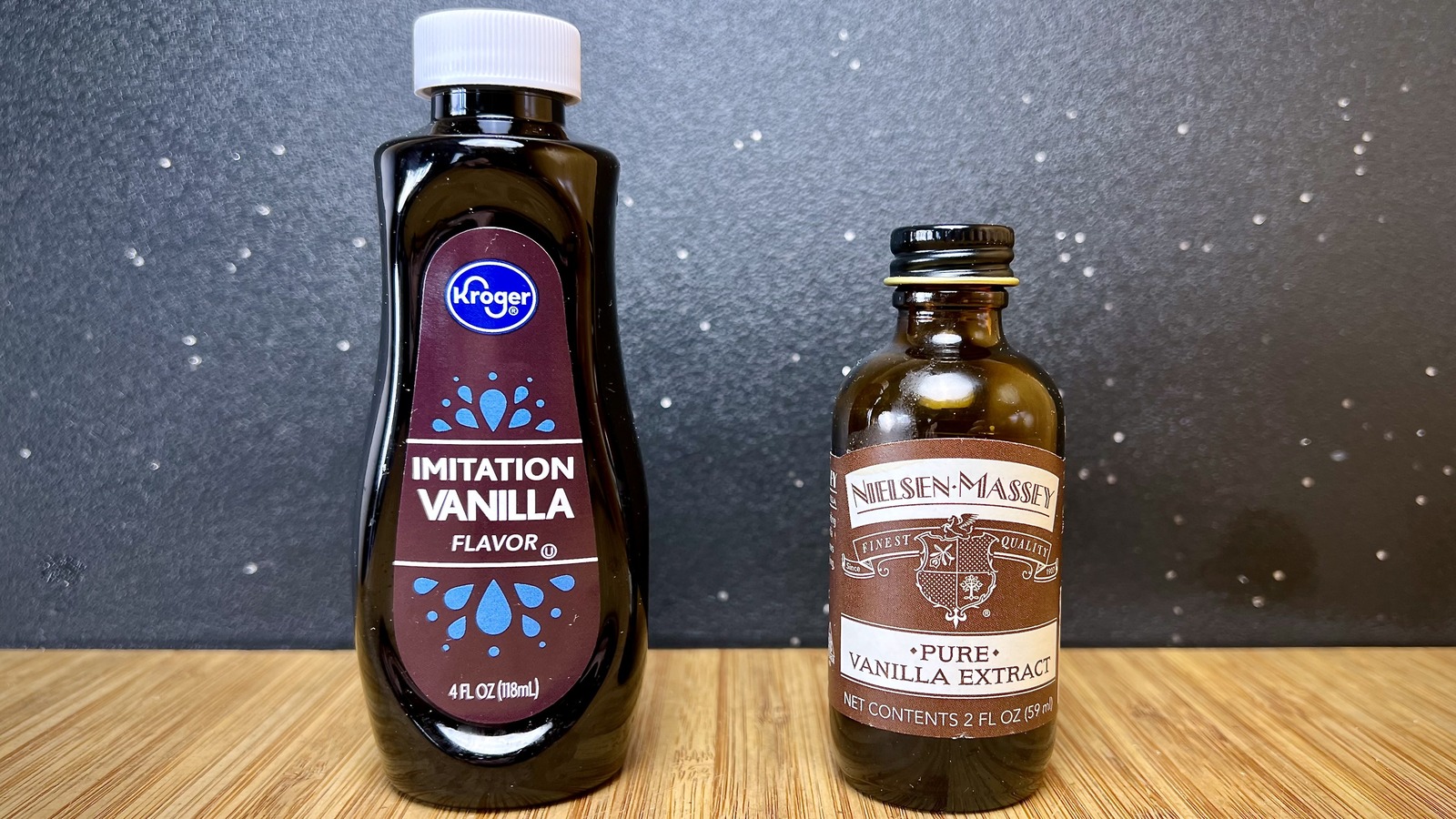 Vanilla Flavor Vs Pure | We Asked 6 Baking Experts Whether Pure Vanilla
Vanilla essence sold in some countries can be slightly better than vanilla flavoring but still falls short of pure extract. Read the ingredient list like your life depends on it because misleading packaging is practically a sport. The word "vanilla" on a bottle doesn't always mean what you want it to mean.
When Should You Splurge?
If vanilla is the star of your recipe — think crème brûlée, vanilla bean cheesecake, or shortbread cookies — go for pure vanilla extract every time. This is where its seventh-helper subtleties and aromatic depth truly shine. No one wants a dessert that tastes vaguely "vanilla-adjacent."
For heavily spiced baked goods — cinnamon rolls, chocolate brownies, spice cakes — baking vanilla can be a perfectly acceptable substitute. When cinnamon, cocoa, and brown butter are leading the show, a supporting flavor hack passes unnoticed. It's the culinary equivalent of wearing a blazer over pajama bottoms on a video call.
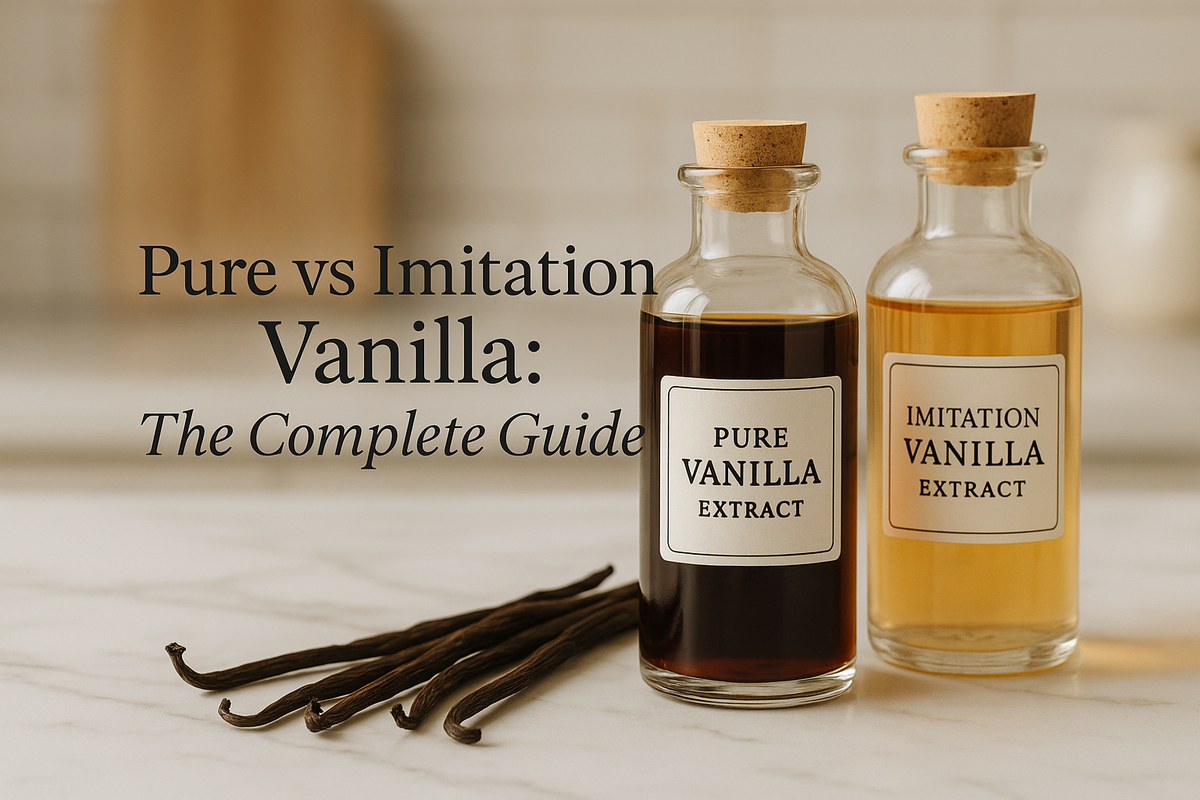 Pure vs Imitation Vanilla Extract Guide - VanillaPura
The One Bottle Rule
If you're only buying one bottle ever, make it pure vanilla extract and use it strategically. A splurge bottle lasts a surprisingly long time because pure extract is potent — a teaspoon here and there does wonders. It's the smart kitchen investment that keeps on giving, one drip at a time.
Store it in a cool, dark place away from heat and direct sunlight because vanilla doesn't appreciate being roasted twice. Properly stored, it can last for years without losing its aromatic punch. Unopened baking vanilla, by comparison, has a shorter shelf life and fewer complications.
Final Verdict
Pure vanilla extract is the honest, flavor-packed choice that respects both your ingredients and your guests. Baking vanilla is the budget-friendly option that gets you by when vanilla isn't the main character. Neither one is inherently wrong — just make sure you know which story you're telling before the first bite disappears.
Next time those bottles stare at you from the shelf, you'll know exactly which label belongs in your basket. Go forth, bake confidently, and may your cupcakes always taste like they meant it.
