Avocado Common Eating Mistakes Dangers

Avocados have earned a well-deserved spot in kitchens and restaurants around the world. Their creamy texture, rich flavor, and impressive nutritional profile make them a true...
Avocados have earned a well-deserved spot in kitchens and restaurants around the world. Their creamy texture, rich flavor, and impressive nutritional profile make them a true superfood that people of all ages enjoy. Whether you spread it on toast, toss it in a salad, or blend it into a smoothie, avocado is incredibly versatile and emotionally satisfying to eat. However, swimming in avocado's charm can sometimes lead people into common eating mistakes that not only waste money but may actually pose potential health dangers. Understanding these pitfalls helps you maximize every bite while protecting your well-being. In this article, we will explore the most frequent mistakes people make when eating avocado and offer practical advice so you can enjoy this wonderful fruit to the fullest — safely and deliciously.
One of the most misunderstood mistakes is consuming avocados that are overripe or already spoiled. Avocados that have turned brown inside, smell foul, or feel mushy have likely developed dangerous molds and bacteria. Eating a spoiled avocado can lead to foodborne illnesses, causing stomach cramps, nausea, and even diarrhea. Many people mistakenly believe that simply cutting off the brown parts or dark layers is enough to make the fruit safe again. Unfortunately, once spoilage begins, toxins can spread beyond what is visible. Always inspect your avocado carefully before eating it. A perfectly ripe avocado should have green or slightly yellowed flesh with a mild, nutty aroma. If your avocado sours or emits a strong off-putting odor, throw it away immediately and do not take chances with your health.
Another common mistake is overeating avocado in one sitting because of the misconception that "natural" means you can eat unlimited quantities. While avocado is packed with heart-healthy monounsaturated fats and fiber, it is also calorie-dense — a medium avocado contains roughly 250 to 300 calories. Consuming excessive amounts can contribute to unwanted weight gain and may strain digestive processes, leading to bloating and discomfort. Moreover, avocados are high in potassium; eating very large quantities at once could potentially cause hyperkalemia, a condition where elevated potassium levels affect heart rhythm in vulnerable individuals. The key is moderation: aim for roughly half an avocado to one whole avocado per day as a general guideline, adjusting based on your overall diet and activity level. Balance avocado with a variety of other fruits and vegetables for the best results.
Must Read
A third mistake involves empty avocado shells sitting out too long after cutting. When the flesh of a cut avocado is exposed to air, oxidation kicks in rapidly. The avocado turns brown not only because of aesthetic reasons — the oxidation process can also alter the nutritional integrity of the fruit and create compounds that some people find mildly irritating to the stomach. To prevent this, spray the exposed flesh with lemon juice or lime juice, press plastic wrap directly against the surface, and store the avocado in an airtight container in the refrigerator. Consuming avocado that has been left exposed to air for extended periods, especially in warm environments, increases the risk of bacterial growth that can cause mild gastrointestinal upset or worse. Treat your avocado like any other perishable food: store it properly and eat it promptly.
People also frequently ignore pairing avocado with certain food combinations that could hinder digestion or nutrient absorption. For example, eating avocado alongside extremely fibrous foods in one meal — like large amounts of beans, raw cabbage, and avocado combined — can overwhelm the digestive system, causing gas, bloating, or cramping. Additionally, some individuals with histamine intolerance may react to avocados with headaches, hives, or congestion because avocados contain high levels of natural histamines. If you notice such reactions, reduce your avocado intake or consult a healthcare professional. Pairing avocado thoughtfully — for example, alongside proteins like eggs, lean meats, or legumes in moderate amounts — helps promote balanced digestion and ensures your body absorbs all the vitamins A, C, E, and K that avocado offers.
 15 FATAL MISTAKES WHEN EATING AVOCADO that YOU NEED TO AVOID! | 117
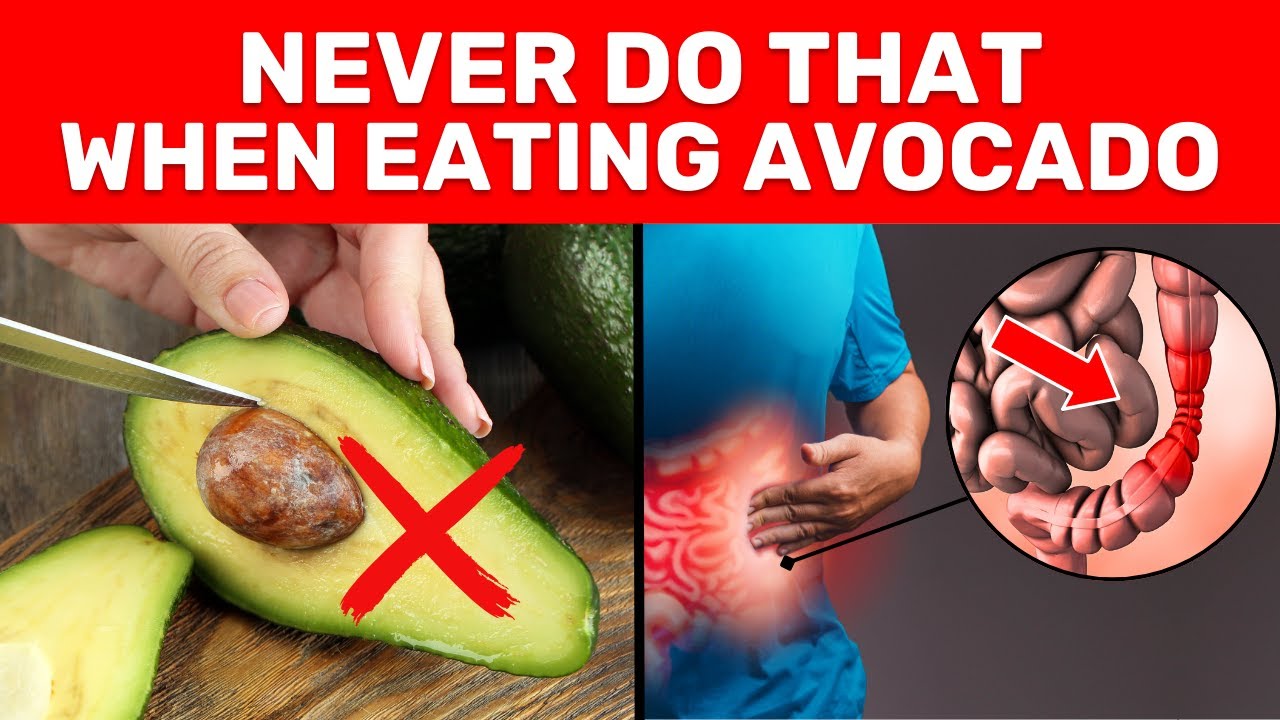
Finally, avoid the pit-eating trap that some trendy recipes and wellness blogs occasionally promote. In small, mineral-rich pit-cocktail illustrations or grainy pit-added smoothies, the chosen wit is charming but dangerous. In truth, avocado pits should never be consumed, as their rough texture and size make them a serious choking hazard and can potentially injure the delicate lining of the GI tract. They also contain compounds that may interact adversely with certain medications, particularly blood thinners. Instead, use avocado pits for composting or creative crafts. Stick to the skin-prep technique for fresh, ripe avocados and enjoy them in a way that keeps both your body and your mind at ease.
In conclusion, avocados are extraordinary fruits that deserve to be enjoyed respectably and with informed care. By avoiding spoilage, practicing portion control, storing cut avocados correctly, being mindful of food pairings, and skipping pit-related gimmicks, you eliminate the common dangers associated with avocado eating mistakes. These small adjustments preserve not just the avocado's delectable qualities but also the health and safety of your entire household. Next time you reach for that smooth, green gem, remember: making smart choices transforms a good habit into a genuinely beneficial one. Enjoy your avocado mindfully, and your body will thank you for it.