At What Temperature Should You Fry Fish

Fried fish has long been a beloved comfort food, celebrated for its golden crust and tender flesh. Whether you are preparing a quick week‑night dinner or hosting a weekend gat...

Fried fish has long been a beloved comfort food, celebrated for its golden crust and tender flesh. Whether you are preparing a quick week‑night dinner or hosting a weekend gathering, the aroma of sizzling fish can turn a meal into a memorable occasion. People value this dish because it combines the natural flavors of fresh seafood with a satisfying crunch, making it both delicious and inviting. The technique of frying also honors culinary traditions from around the world, giving home cooks a chance to recreate restaurant‑style results in their kitchens.
The goal when frying fish is to create a crispy exterior while keeping the interior moist and flaky. Achieving this balance depends heavily on the temperature of the oil, because the heat must seal the surface quickly, preventing excess oil from seeping into the flesh. If the oil is too cool, the fish will absorb it and become greasy; if it is too hot, the crust can burn before the inside cooks. Understanding this nuance elevates a simple fry into a culinary art.
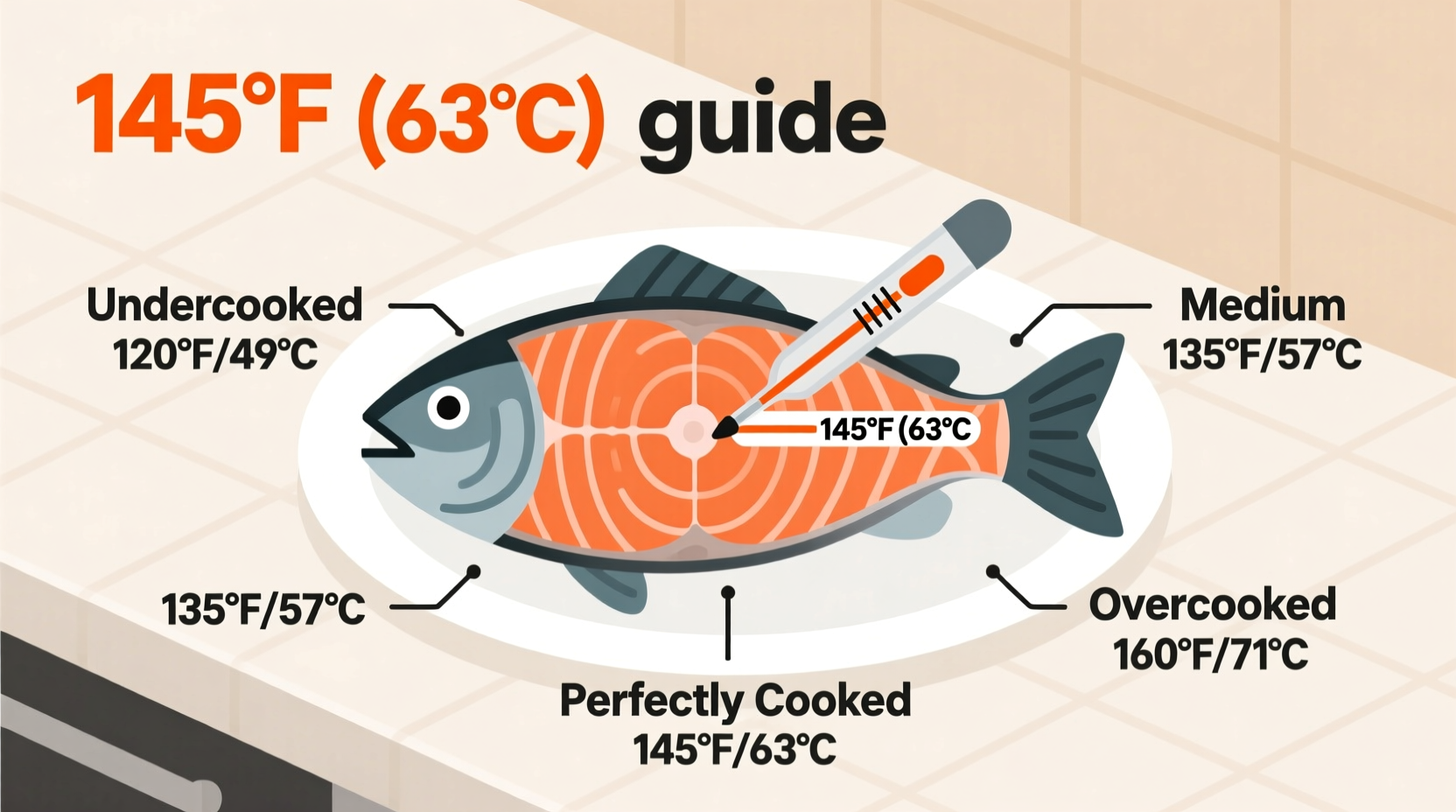
Most chefs agree that the ideal frying temperature for fish is between 350°F and 375°F (175°C‑190°C). This range allows the oil to remain hot enough to create a golden crust in less than a minute, while the interior just reaches the safe internal temperature of 145°F (63°C). Using a deep‑fry thermometer or a digital probe helps you maintain consistency; you can gently lower the heat if you notice smoke or raise it if the fish takes too long. The sweet spot is where you see tiny bubbles forming around the fish as soon as it hits the oil.
Must Read
Maintaining the correct temperature offers more than just aesthetics; it supports healthier meals because the rapid sealing of the surface reduces oil absorption, keeping the calorie count lower than slow‑cooked alternatives. In a busy weekday, a properly fried fillet can be ready in under three minutes, saving time without compromising flavor. Moreover, consistent heat makes it easier to batch‑cook for meal prep, allowing you to store portions for later reheating while preserving texture. The result is a versatile ingredient that fits seamlessly into salads, tacos, or pasta.
Imagine whipping up a quick fish taco night: you dip battered cod into oil heated to 375°F, watch the coating turn crisp and golden, then slide the filet onto a warm tortilla. The bite is satisfying because the exterior shatters while the inside stays tender. In a restaurant setting, chefs often rely on a commercial fryer calibrated to 350°F for consistency, and diners notice the difference in a single bite. Even at home, using a cast‑iron skillet with a thin layer of oil can mimic this effect if you monitor the heat closely.
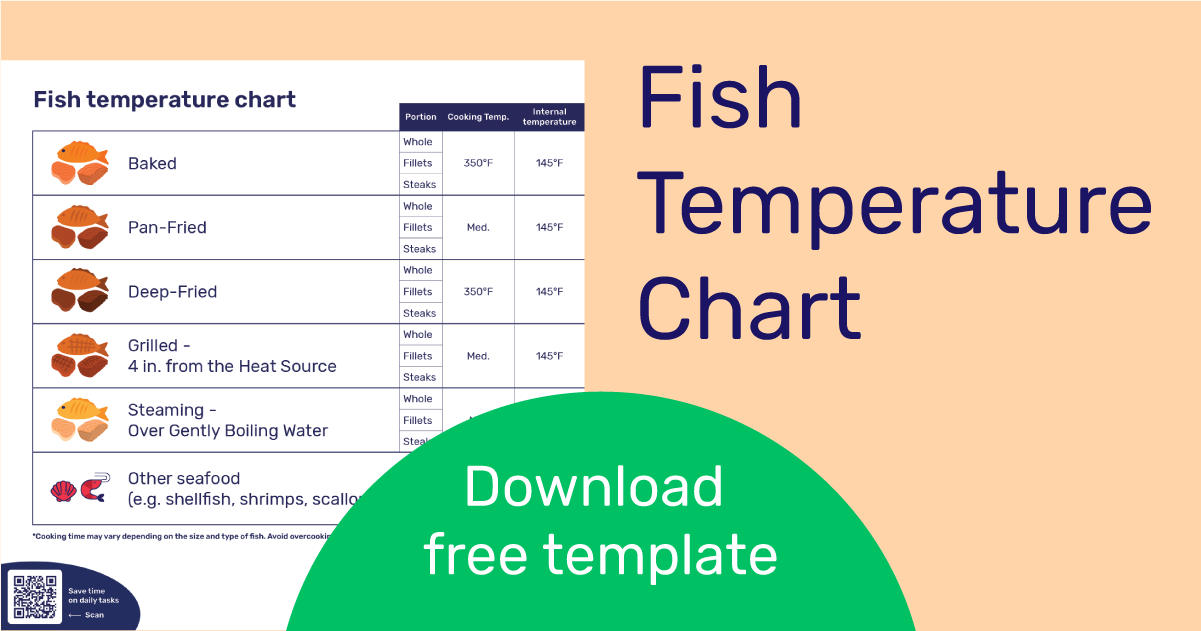
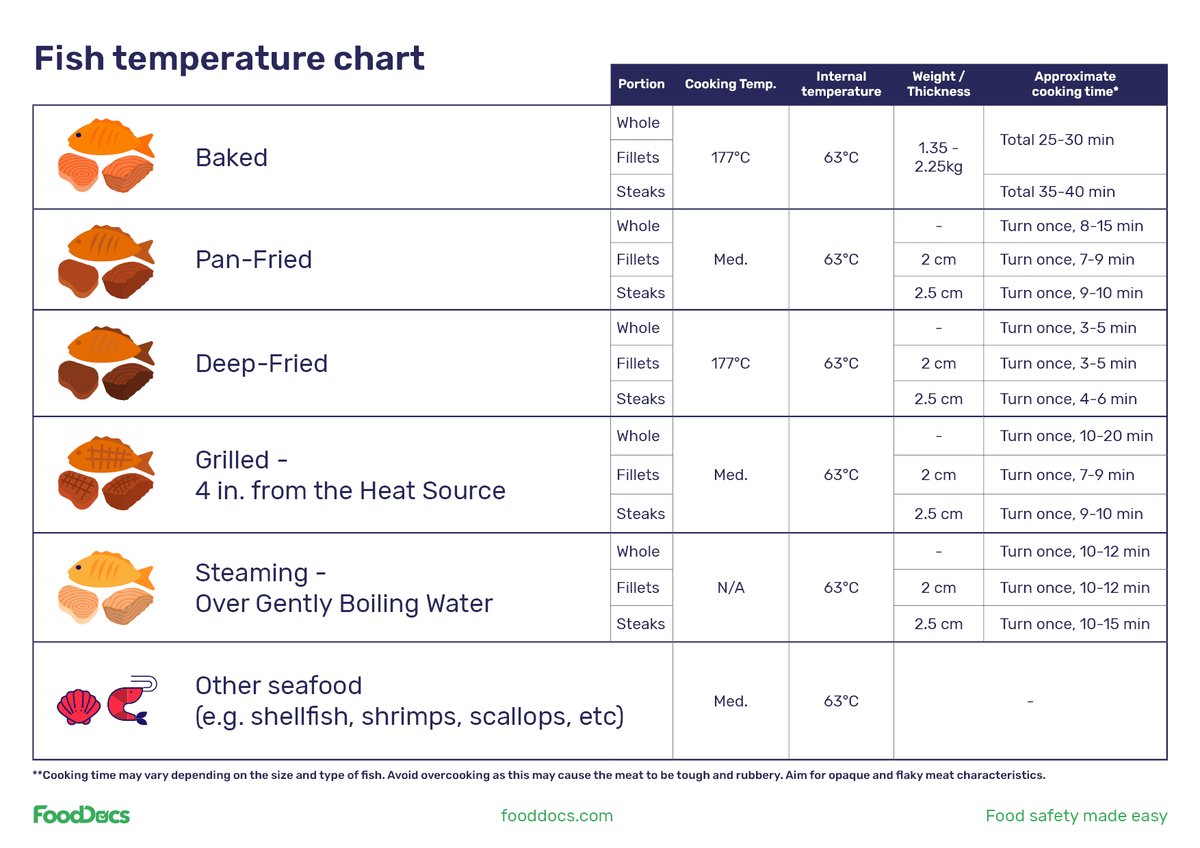 Fish Temperature Chart | Download Free Template
To explore the technique on your own, start with a high‑smoke‑point oil such as canola or peanut, and always heat it gradually while checking with a digital thermometer. Keep the fish dry by patting it with paper towels before coating, and avoid overcrowding the pan, which would drop the oil temperature. Finally, let the fried fillet rest on a wire rack for a minute to allow excess oil to drain, preserving that perfect crunch. With these simple steps, you’ll consistently achieve restaurant‑quality fried fish at home.
Ultimately, mastering the proper temperature turns frying fish from a guesswork chore into a reliable skill that enhances everyday cooking. By respecting the 175‑190°C window you protect both flavor and texture, making the dish more enjoyable for family and friends. Over time you’ll develop an intuitive sense for when the oil is ready, letting you experiment with different species while keeping results consistent. This small detail can elevate your confidence.