At What Temperature Does Butter Melt

Welcome, butter lovers and kitchen explorers! You might not think twice about that stick of butter sitting on your counter, but have you ever stopped to wonder: At what temper...
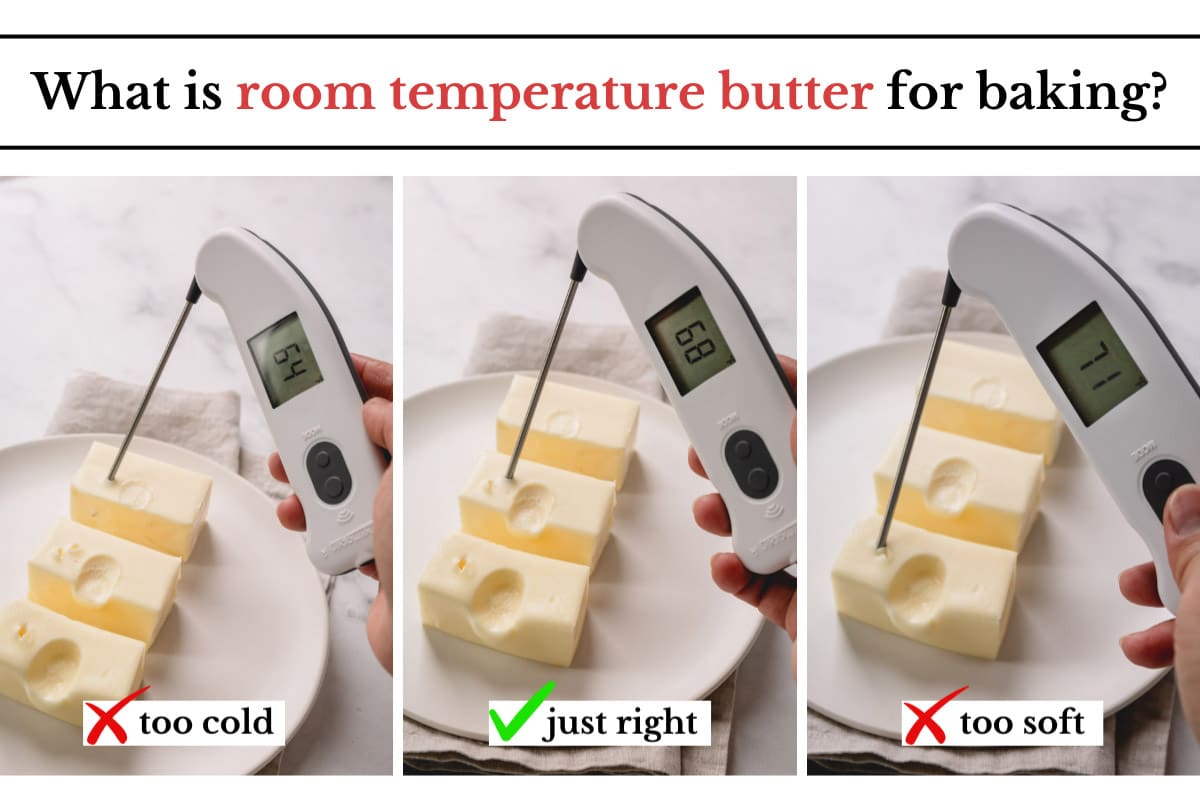
Welcome, butter lovers and kitchen explorers! You might not think twice about that stick of butter sitting on your counter, but have you ever stopped to wonder: At what temperature does butter melt? It’s a question that sounds simple, but the answer unlocks a world of culinary magic. From perfectly flaky pie crusts to silky sauces, understanding butter’s melting point is like having a secret superpower in the kitchen. This isn’t just science for science’s sake—it’s the difference between a cookie that spreads into a thin, crispy mess and one that stays gloriously chewy. So, grab a pad of butter, and let’s dive into the warm, golden truth.
The short answer is that butter melts at a temperature range of 82°F to 97°F (28°C to 36°C). But why such a wide window? That’s because butter isn’t just one substance—it’s an emulsion of milk fat, water, and milk solids. The fat crystals begin to soften around 60°F (15°C), but the actual melting happens gradually. As you heat butter, the different types of fat molecules break apart at varying rates. Think of it as a tiny, delicious dance: first, the softer fats melt, making the butter pliable but still solid, and then, around 90°F, the harder fats surrender, turning it into a liquid pool. This is why a cool butter pat can still hold its shape on a hot pancake, yet melt into a shimmering glaze moments later.
Here’s where it gets fun: Your choice of melting temperature changes your baking outcome dramatically. Imagine you’re making chocolate chip cookies. If you use melted butter (fully liquid at around 90°F), the cookies will spread thin and have a crisp, lacy edge—perfect for a chewy center. On the other hand, if you use creamed butter, which is soft but not melted (around 65°F to 70°F), you trap air bubbles, giving you a puffy, cake-like texture. And for pie crusts? You want the butter to stay cold and solid—ideally below 50°F—so it creates flaky pockets of steam as it melts in the oven. That’s why chefs say cold butter is your best friend for pastry. The melting point isn’t just a number; it’s your creative control knob.
Must Read
Now, let’s add a twist: Different butters melt at slightly different temperatures. Unsalted butter, with its pure fat content, melts in that classic 90°F sweet spot. Salted butter, however, contains tiny salt crystals that can lower the melting point just a bit, making it more likely to brown quickly. And here’s a fun insider tip: Clarified butter (ghee) has had the water and milk solids removed, so it melts at a higher temperature, around 100°F (38°C). This makes it a star for high-heat cooking like searing steak or frying eggs, because it won’t scorch as fast. You can even test this at home: put a cube of refrigerated butter (around 40°F) on a plate at room temperature (70°F), and watch it slowly become spreadable. That’s the magic of its gradual melt range in action!
Want to become a butter-melting maestro? Here are three practical tips. First: Use a thermometer for precision. If a recipe says “softened butter,” aim for 65°F to 68°F—it should yield to gentle pressure but not be oily. For “melted but not hot,” keep it below 100°F to avoid separating the milk solids. Second: Practice the “finger test.” Press a clean finger into the butter; if it leaves an indent without being greasy, you’re in the sweet spot. Third: Embrace the microwave, but go slow. Use 5-second bursts on low power, checking after each. Butter can go from nearly solid to completely liquid in a flash—especially if your microwave has hot spots. A tip from pastry chefs: if you accidentally melt it completely, pop it in the fridge for a few minutes to regain partial firmness.
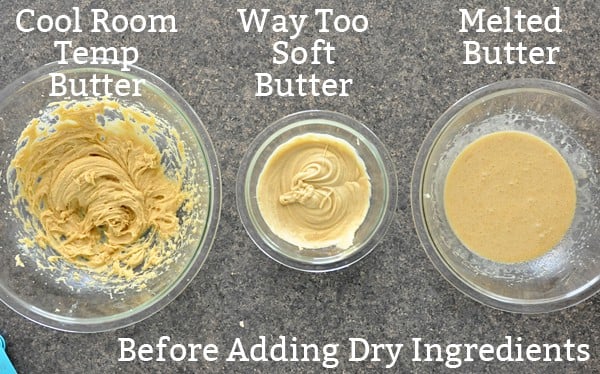 When A Recipe Calls For Melted Butter 60 Photos - Fdgroupsrl.com
The real advantage of knowing butter’s melting temperature is confidence. No more guessing whether your butter is “soft enough” for that pound cake, or worrying that your sauce will break. You can deliberately choose to melt butter fast for a glossy finish on vegetables, or keep it cold for that shatteringly flaky croissant. It’s your kitchen, and butter is your willing accomplice. So next time you see a square of butter softening on the counter, give it a little smile. You now know the temperature dance it’s doing—and you’re the one calling the tune. Happy cooking, and may your butter always melt at just the right moment!
Finally, remember: Butter is alive with potential. From the creamy spread on toast to the golden foam in a sauté pan, its melting point is a tiny thermostat for your creativity. Experiment with it. Try browning butter to release nutty flavors (fire up to around 250°F, but watch closely!). Or make a compound butter by mixing herbs into soft butter at room temperature, then re-chilling. The science behind the melt is simply a tool to help you play. So go ahead—melt, soften, or solidify that butter with purpose. You’ve got the know-how. Now, get buttering!

