At What Temperature Does Alcohol Freeze

Ever found yourself staring into the freezer, wondering if your bottle of vodka or that half-finished beer will survive the night? It’s a question that pops up at parties or w...
:max_bytes(150000):strip_icc()/will-liquor-freeze-760302_V3-1909ef0532f34ff0a2acee1a01b093c5.png)
Ever found yourself staring into the freezer, wondering if your bottle of vodka or that half-finished beer will survive the night? It’s a question that pops up at parties or when you’re trying to chill a drink in a hurry. So, at what temperature does alcohol actually freeze? The answer isn’t as simple as 32°F (0°C), and that’s what makes it so fascinating.
It’s Not One Temperature—It’s a Whole Spectrum
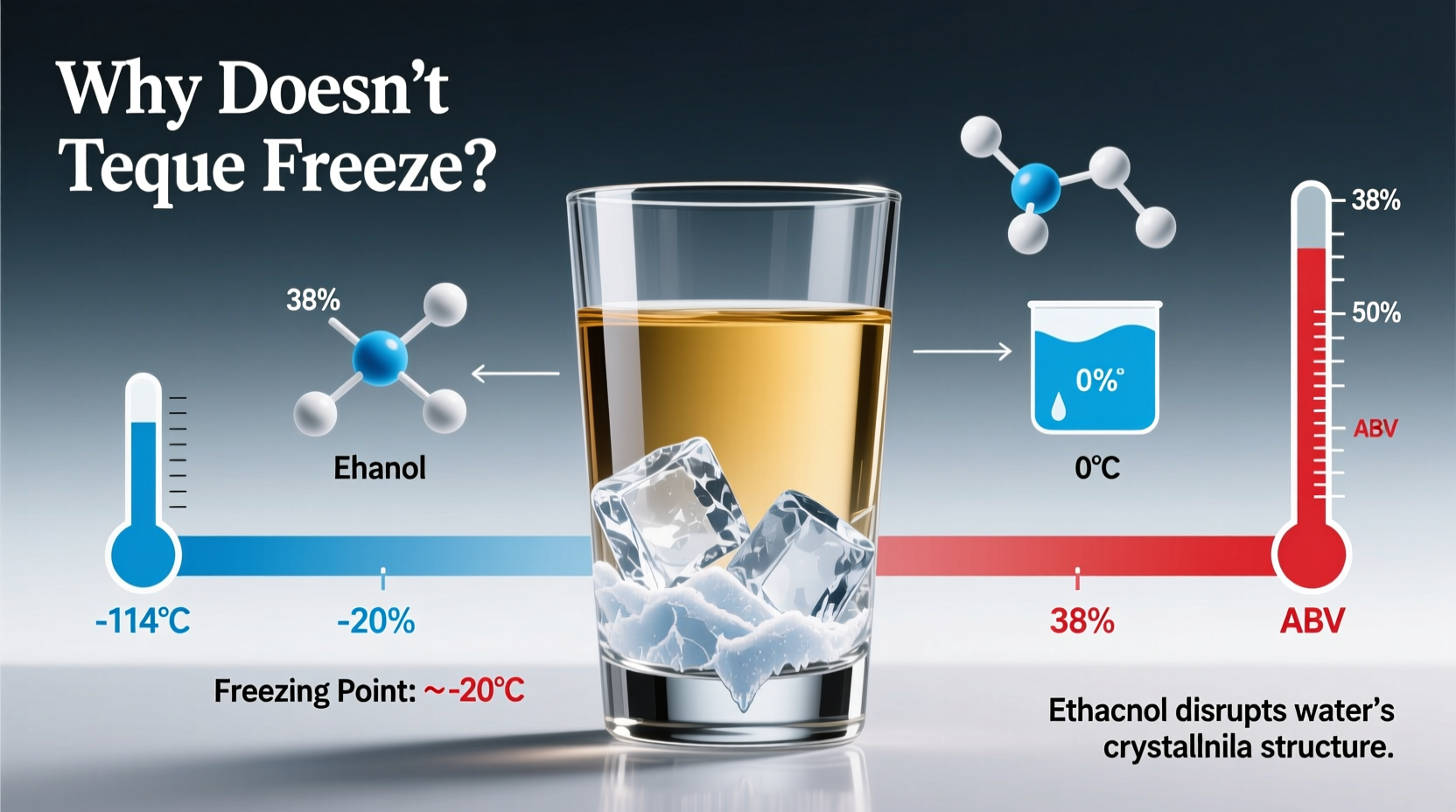
Here’s the kicker: alcohol doesn’t have a single freezing point. Unlike water, which freezes at a nice, predictable number, the freezing point of your drink depends entirely on its proof (the percentage of alcohol by volume). Pure ethanol, the kind of alcohol we drink, freezes at a bone-chilling -173.2°F (-114°C). That’s colder than the surface of Mars.
But let’s be real—you’re not drinking pure ethanol. You’re sipping beer, wine, or spirits, each with its own unique personality. The higher the alcohol content, the lower the temperature needs to be for it to freeze. Think of it like a stubborn friend who refuses to join a game until the weather is absolutely miserable.
Must Read
Beer, Wine, and Liquor—A Freezer Survival Guide
Let’s start with the easy stuff: beer. Most beers hover around 4-6% alcohol by volume. That means their freezing point is roughly 28°F (-2°C)—just a few degrees below water. Toss a can in your freezer for a quick chill, and you’ve got about 20-30 minutes before it turns into a slushy, exploding mess. Ever had a beer can burst in the freezer? Yeah, it’s a sticky lesson in physics.
Now, wine is a bit more refined. A typical glass of wine (12-15% ABV) freezes around 22°F (-5.5°C). So, yes, you can freeze leftover wine for cooking, but don’t expect a perfect ice cube. The sugar and acids in wine lower the freezing point just a touch more than beer. Pro tip: if you leave a bottle in the freezer too long, the water freezes first, leaving behind a syrupy, concentrated wine slush. It’s not a disaster—it’s a happy accident.
Spirits Are the Real Survivors
Here’s where it gets wild: vodka, whiskey, gin, and rum are practically freeze-proof in your home freezer. A standard 80-proof (40% ABV) liquor freezes at -16.6°F (-27°C). Your freezer likely maxes out around 0°F (-18°C). So, that bottle in the back? It’s not freezing—it’s just getting very cozy. Ever notice how vodka gets thick and syrupy when it’s ice cold? That’s the alcohol molecules slowing down, but they refuse to crystalize into ice.
 what temperature does vodka freeze - Larrea | Restaurant in Las Vegas, NV
But wait—there’s a catch. Liqueurs like Baileys, Kahlúa, or Amaretto have added sugar, which acts like antifreeze. Baileys, with its dairy and sugar, can freeze around 32°F (0°C) or even lower, creating a weird, curdled texture. So, keep those in the fridge, not the freezer, unless you enjoy lumpy cocktails.
Why Does This Matter? (Besides Being a Cool Party Trick)
Knowing freezing points isn’t just trivia—it’s practical. Ever made a frozen margarita or a boozy slushy? That’s all about controlling the alcohol content so the liquid stays semi-frozen. Drop too much tequila in, and it’ll never freeze properly. Too little, and you get a block of ice. It’s a delicate balance, like a science experiment you can drink.
Also, this knowledge can save your liquor cabinet. Imagine throwing a party, and someone leaves a bottle of wine on the counter overnight. If it freezes, the cork might pop out, or the bottle could crack. Wine expands when it freezes, just like water, so you lose both the drink and the glass. But a bottle of 100-proof whiskey? It’ll laugh at your freezer.
Fun Comparisons to Wrap Your Head Around It
Think of alcohol like road salt. You know how salt lowers the freezing point of water on icy roads? Alcohol does the same thing, but for your drink. The more “salt” (alcohol) you add, the colder it has to get to turn solid. That’s why a shot of pure ethanol would stay liquid in a typical freezer—it’s basically super-powered antifreeze.
 Why Doesnt Tequila Freeze Understanding Alcohols Freezing Point
Or imagine this: liquid nitrogen boils at -321°F (-196°C). That’s way colder than any alcohol freeze point. So, in theory, you could use liquid nitrogen to freeze a shot of vodka into a solid, brittle block—but don’t try that at home. You’d need a lab and a fire extinguisher.
One last thought: your freezer is like a picky bouncer. It lets beer and wine in for a short, slushy visit, but it kicks out spirits almost immediately. The bouncer says, “Sorry, buddy, you’re too strong for this place.” And honestly, that’s kind of magical.
The Bottom Line: Chill, Don’t Kill
So, next time you’re chilling a drink, remember this simple rule: the stronger the drink, the colder it needs to be to freeze. Beer and wine are delicate flowers; spirits are tough cookies. If you want a perfect frozen cocktail, play with your ratios. And if you ever find a frozen bottle of Everclear? Call a scientist—you’ve discovered a new icy frontier.
In the end, it’s not about the exact number—it’s about the story. Alcohol’s freezing point is a reminder that even our favorite beverages are living in their own little worlds, with their own rules. So go ahead, check your freezer. Is your vodka still liquid? Of course it is. It’s just waiting for you to pour it. Cheers to that.
:max_bytes(150000):strip_icc()/will-liquor-freeze-760302_V3-1909ef0532f34ff0a2acee1a01b093c5.png&description=At+What+Temperature+Does+Alcohol+Freeze)