Are You Supposed To Eat Pumpkin Pie Hot Or Cold

There are few autumnal pleasures as universally beloved as a slice of pumpkin pie. For many, it is the centerpiece of Thanksgiving, a symbol of warmth, family, and gratitude t...
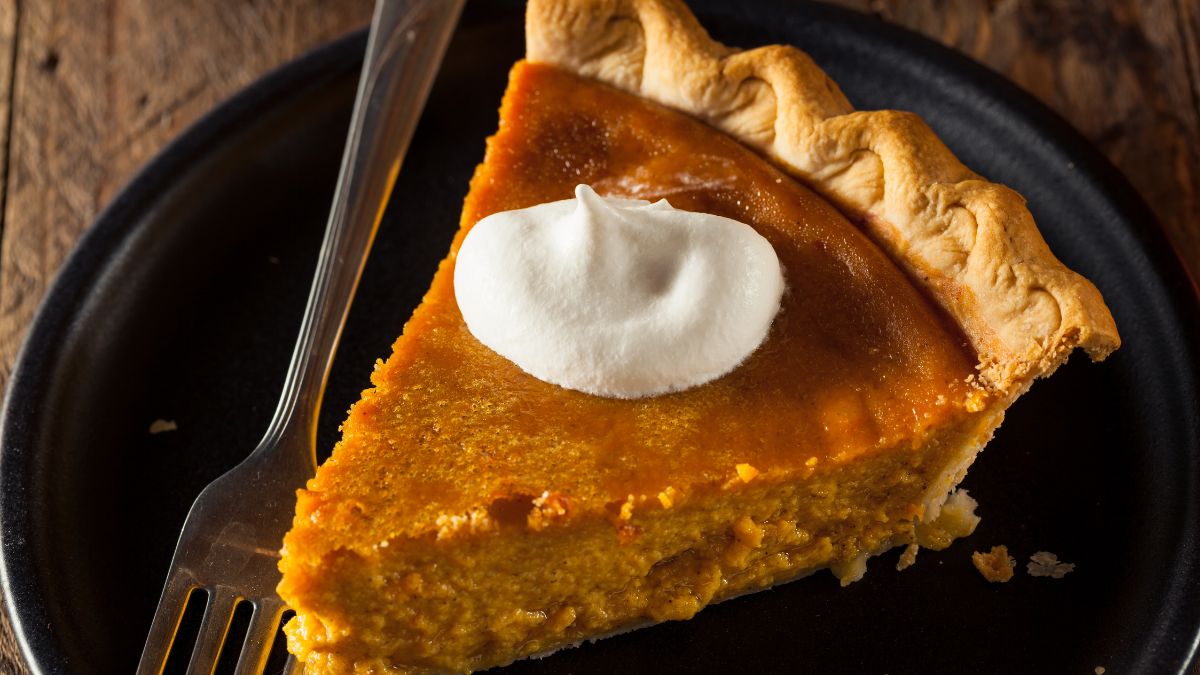
There are few autumnal pleasures as universally beloved as a slice of pumpkin pie. For many, it is the centerpiece of Thanksgiving, a symbol of warmth, family, and gratitude that evokes the comforting smell of cinnamon and nutmeg. Its key purpose is not just to be a dessert, but to be a bridge between the savory richness of a holiday meal and the sweet, nostalgic finale that leaves everyone satisfied. The benefits of pumpkin pie extend beyond its taste; it provides a moment of shared ritual, a familiar anchor in a busy year, and a simple joy that can be enjoyed in the quiet of a kitchen or the chaos of a crowded table. Yet, despite its beloved status, a delicious debate simmers beneath the whipped cream: are you supposed to eat pumpkin pie hot or cold?
The short answer, according to most culinary traditions and food scientists, is that pumpkin pie is best enjoyed at room temperature or slightly chilled. Think of a classic holiday setting: the pie has been baked, cooled on a wire rack, and then rests on the counter or in the refrigerator until serving time. This is not by accident. Eating it piping hot from the oven often results in a soupy, unstable slice. The custard, which relies on eggs and dairy, needs time to set. Serving it hot can cause the filling to collapse, turning a beautiful slice into a puddle of spiced milk. The purpose of cooling is to allow the starches and proteins to firm up, giving the pie its characteristic silky, sliceable texture.
However, “cold” can be a relative term. A pie straight from the refrigerator—ice-cold—can mute the complex spices and make the crust dense and tough. The ideal temperature is cool room temperature, roughly 60–70°F (15–21°C). At this point, the flavors of brown sugar, ginger, and cloves open up fully, while the buttery crust remains flaky. Imagine a scenario: you’ve just finished a heavy meal of turkey and mashed potatoes. A hot, runny pie would feel overwhelming; a cold, hard one would be unsatisfying. A slice that has rested for at least two hours after baking offers the perfect balance of richness and freshness, allowing you to savor each bite without any temperature-related distraction.
Must Read
That said, personal preference is the true king of this debate. Some people genuinely love a warm slice, especially if they plan to pour a hot caramel or bourbon sauce over it. In that case, a slightly warm pie (not hot) can be a wonderful treat. The key is to use the microwave sparingly—just 10 to 15 seconds on a single slice. This warms the spices without liquefying the custard. For everyday life, this flexibility is a benefit: you can bake the pie ahead of time, serve it at room temperature for a gathering, and then reheat individual portions for a cozy night in. The scenario changes based on context—a festive dinner calls for the classic, cool slice, while a rainy Tuesday might invite a warm, nostalgic indulgence.
For those eager to explore the best version of this dessert on their own, here are a few simple tips. Tip one: always let your freshly baked pie cool completely on a wire rack for at least two hours before serving. This is non-negotiable for achieving the right texture. Tip two: if you prefer a chilled slice, place it in the refrigerator for 30 minutes before serving, but take it out 10 minutes before eating to let it lose its extreme chill. Tip three: for the hot-lovers, never microwave an entire pie. Instead, place a single slice on a plate and heat it for 15 seconds at 50% power, testing for warmth. Add a dollop of whipped cream, which will soften slightly and create a beautiful contrast.
 Is Pumpkin Pie Served Hot or Cold (Differences)
Another critical factor often overlooked is the role of the crust. When pumpkin pie is served too hot, the steam trapped inside makes the bottom crust soggy. When it is served too cold, the fats in the crust become hard and unpleasantly solid. Room temperature allows the crust to maintain its crispness and flakiness, which is the foundation for the filling. If you are baking for a special occasion, consider blind-baking the crust first (baking it without filling) for 10 minutes. This creates a barrier that keeps it crisp even after the custard is added. This small step ensures that whether you serve the pie slightly warm or cool, the textural experience is superb.
Ultimately, the “correct” way to eat pumpkin pie is the one that brings you the most pleasure. The benefit of this culinary debate is that it invites you to be an active participant. You can host a small tasting with friends: serve one slice at room temperature, one chilled, and one gently warmed. Compare how the spices and sweetness change. You might discover that you love the clean, sharp notes of a cold pie, or the cozy, aromatic hug of a warm one. The real value of pumpkin pie lies not in a rigid rule, but in its ability to adapt to your mood—from a formal holiday centerpiece to a simple, personal comfort. So, let your taste buds decide, and enjoy every last crumb.
![Should You Serve Pumpkin Pie Hot or Cold? [Reheating Tips Included]](https://juliescafebakery.com/wp-content/uploads/Pumpkin-Pie-Hot-or-Cold.jpg)
