Are White Kidney Beans The Same As Cannellini Beans

In the world of comforting soups, creamy dips, and hearty salads, few ingredients are as quietly versatile as the humble white bean. For home cooks and professional chefs alik...

In the world of comforting soups, creamy dips, and hearty salads, few ingredients are as quietly versatile as the humble white bean. For home cooks and professional chefs alike, these legumes are a powerhouse of nutrition and texture, offering a blank canvas that absorbs flavors beautifully. However, a common question arises when you’re staring at a recipe that calls for cannellini beans, and your pantry holds a can labeled “white kidney beans.” Are these two the same thing? The answer is a reassuring yes, but understanding the subtle family ties can elevate your cooking and shopping confidence.
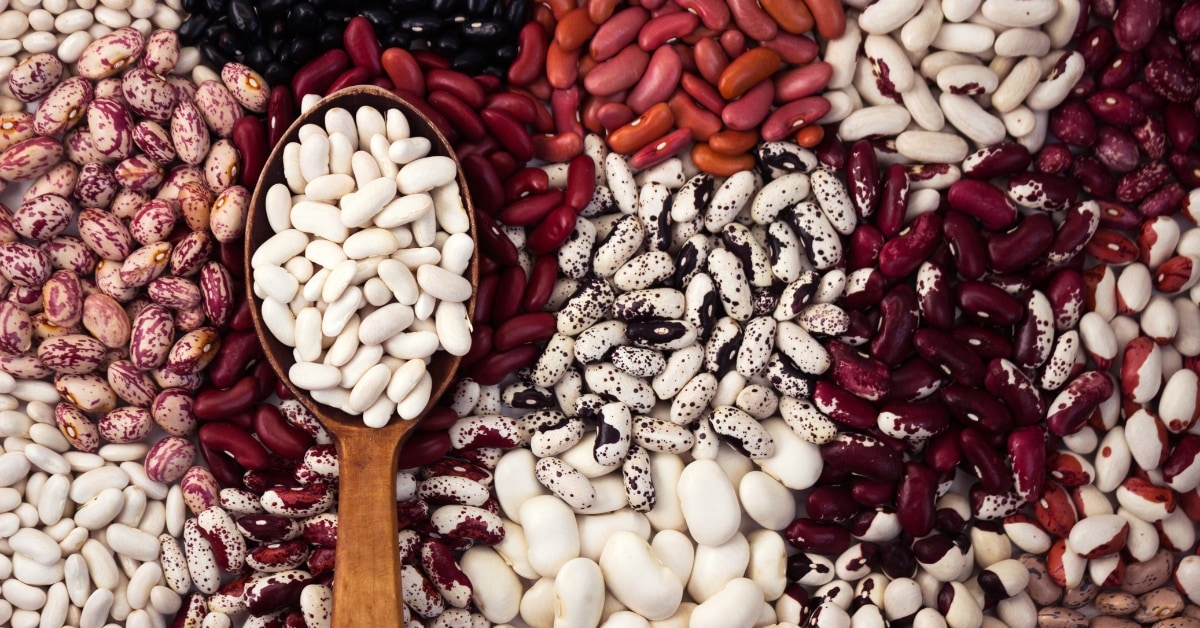
At their core, cannellini beans are actually a specific Italian variety of the larger category known as white kidney beans. Both belong to the same species, Phaseolus vulgaris, which also includes red kidney beans and black beans. The key difference lies in their shape and origin. Cannellini beans are generally slightly smaller, more slender, and have a distinctive kidney-like curve. Standard white kidney beans, sometimes labeled as “white beans” or “great northern beans,” tend to be a bit plumper and rounder. Despite these minor physical differences, they are interchangeable in most recipes, making them a perfectly reliable stand-in for each other in your everyday cooking.
This equivalence is a huge benefit for everyday life, especially when you’re trying to put a nutritious meal on the table quickly. Imagine you’re making a Tuscan white bean soup on a chilly evening. The recipe specifically calls for cannellini beans to create that creamy, velvety broth. You open your pantry and find only a bag of dried white kidney beans. You can proceed without worry. Both beans will break down slightly to thicken the soup while still holding their shape. Their mild, nutty flavor is nearly identical, meaning you won’t compromise the taste. This flexibility reduces stress and prevents unnecessary trips to the grocery store, making healthy cooking more accessible on a busy weeknight.
Must Read
The practical benefits extend beyond simple substitution. White kidney beans, including cannellini, are a nutritional champion. They are packed with plant-based protein, fiber, iron, and folate. This makes them a valuable tool for managing blood sugar levels, supporting digestive health, and promoting long-lasting satiety. For example, if you are trying to cut down on meat, tossing a cup of these beans into a pasta dish or salad can transform it into a complete, satisfying meal. Their creamy texture also makes them the star of dips like white bean hummus, where they provide a smooth, rich consistency without the need for heavy oils or tahini.
To start exploring their potential, try a simple, no-recipe experiment. Drain and rinse a can of white kidney or cannellini beans. Toss them with a generous drizzle of good olive oil, a squeeze of lemon juice, a pinch of salt, and some fresh rosemary or thyme. Serve this as a warm side dish with grilled chicken or fish. It is a five-minute side that feels elegant. For a more substantial meal, mash half of the beans with a fork, then stir them into sautéed garlic and spinach for a quick, creamy filling for toast or a wrap. You will immediately notice how their flavor acts as a sponge, soaking up the herbs and citrus.
 Kidney Bean Size
When shopping, do not get caught up in the name game. If a recipe calls for cannellini beans and you see a can labeled only “white kidney beans,” buy them with confidence. Conversely, great northern beans or navy beans are slightly different creatures—smaller, firmer, and less creamy—so while they can work, they won’t deliver the same silky result. A useful tip: if you want the authentic Italian experience, seek out cannellini beans specifically for their slightly more buttery texture. But for everyday robustness and value, standard white kidney beans are a perfect, cost-effective choice.
Ultimately, the slight variation between these two beans is a gift rather than a problem. It allows you to be a more resourceful and relaxed cook. You can confidently tackle a recipe for pasta e fagioli or a white bean salad, knowing that a white kidney bean is not just a substitute—it is a cousin. So next time you reach for that can, remember: you are holding a versatile, nutritious, and forgiving ingredient that is ready to support your cooking goals. Embrace the interchangeability, experiment with different textures, and let these humble beans deliver hearty satisfaction to your plate, meal after meal.