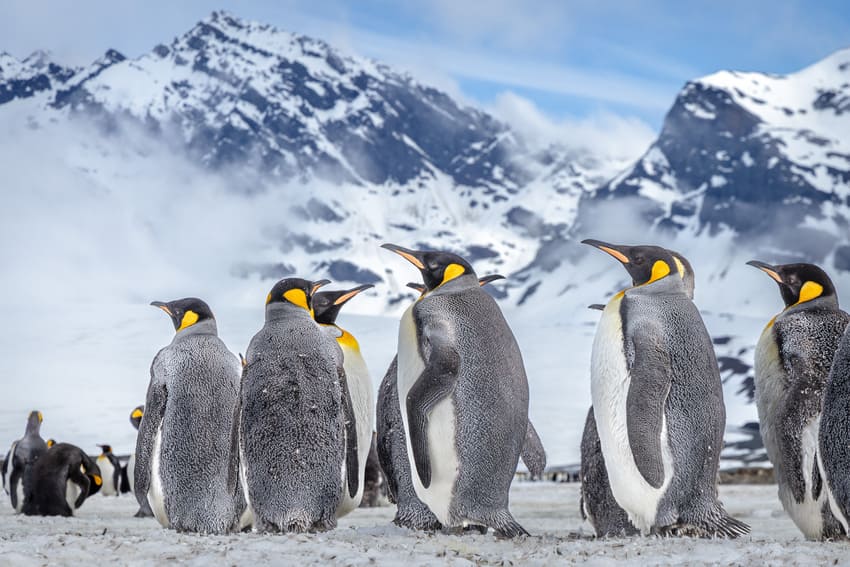
Are There Penguins In The North Pole

Let’s be real—this is one of the most popular myths out there, up there with “bats are blind” and “you need eight glasses of water a day.” People genuinely wonder if penguins...
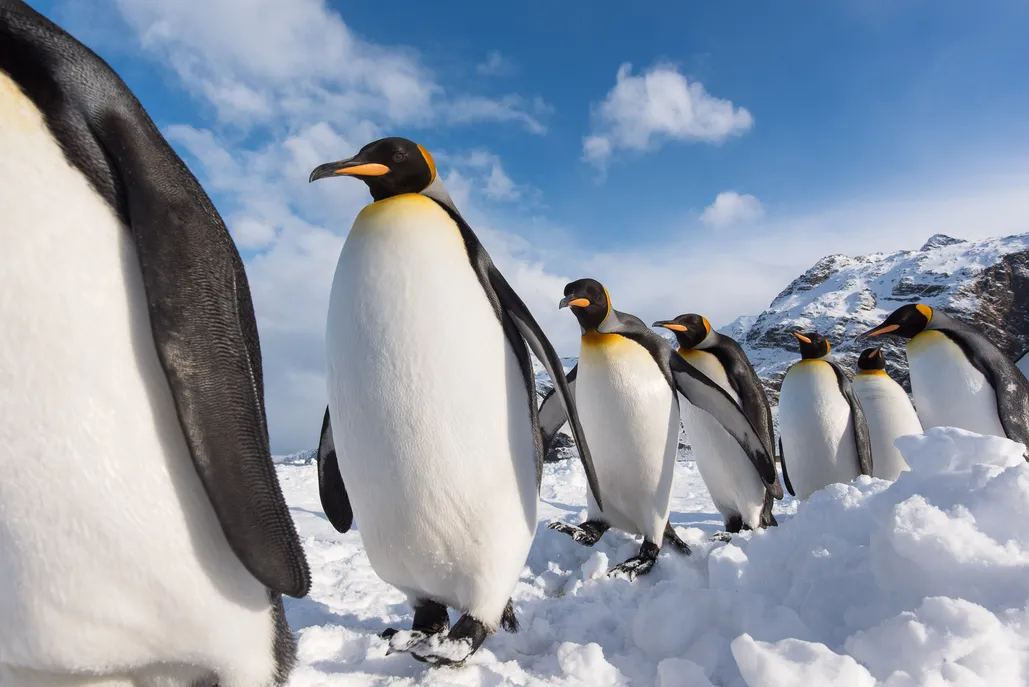
Let’s be real—this is one of the most popular myths out there, up there with “bats are blind” and “you need eight glasses of water a day.” People genuinely wonder if penguins waddle around the North Pole, and for good reason: both places are icy, frozen, and look the same on a Christmas card. But the answer matters way more than trivia night cred. For families, travelers, and educators, clearing up this confusion helps build a smarter understanding of how ecosystems actually work. It’s not just about bird facts—it’s about teaching kids (and ourselves) that nature doesn’t repeat itself on opposite ends of the Earth.
Why does this even matter in daily life? For starters, it prevents those awkward moments when you confidently tell a kid that polar bears and penguins are best buddies in the Arctic. That mistake isn’t harmless—it plants a seed of misinformation that can snowball into bigger myths about climate, geography, and animal habitats. For families doing online research together, getting this right means kids learn that real science is more fascinating than fiction. Communities that embrace this knowledge—like nature centers or school science fairs—build critical thinking from a young age. Plus, when you travel to a cold place, understanding what’s actually there (and what’s not) makes the trip richer. You won’t be scanning the horizon for tuxedo birds in Svalbard, and you’ll appreciate the real locals—like arctic foxes, seals, and polar bears—a whole lot more.
Take a real-world example: my neighbor’s son, age 7, drew a “North Pole party” with penguins and a polar bear holding balloons. Instead of laughing, his mom pulled up a simple map and satellite images. They spent an afternoon learning that penguins live exclusively in the Southern Hemisphere—mostly Antarctica, but also parts of South America, Australia, and New Zealand. That curiosity turned into a week-long project about why animals evolve differently in similar climates. Another example: a travel blogger I follow accidentally captioned a photo of tuxedo-clad penguins under “Visiting the North Pole!” and got roasted by her own followers. She turned it into a teachable moment, writing a follow-up post on the biological isolation of Arctic vs. Antarctic life. These small corrections ripple outward.
Must Read
So, what’s the practical takeaway for you? First, remember a simple rule: penguins are Southern Hemisphere birds—they don’t naturally occur in the Arctic, the North Pole, or anywhere north of the equator (except for zoo exhibits). Second, when someone brings up the myth, don’t just say “No,” say why: Penguins evolved isolated in the south, while the Arctic has its own unique wildlife like polar bears, walruses, and puffins. Puffins are often confused with “little penguins”—spread that little fact! If you’re a parent or teacher, make a game of it: print out two maps, one of the Arctic, one of Antarctica, and have kids place animal stickers where they actually live. For travelers, always check a location’s native species before you pack your binoculars. Simple research takes five minutes and saves a lifetime of embarrassment.
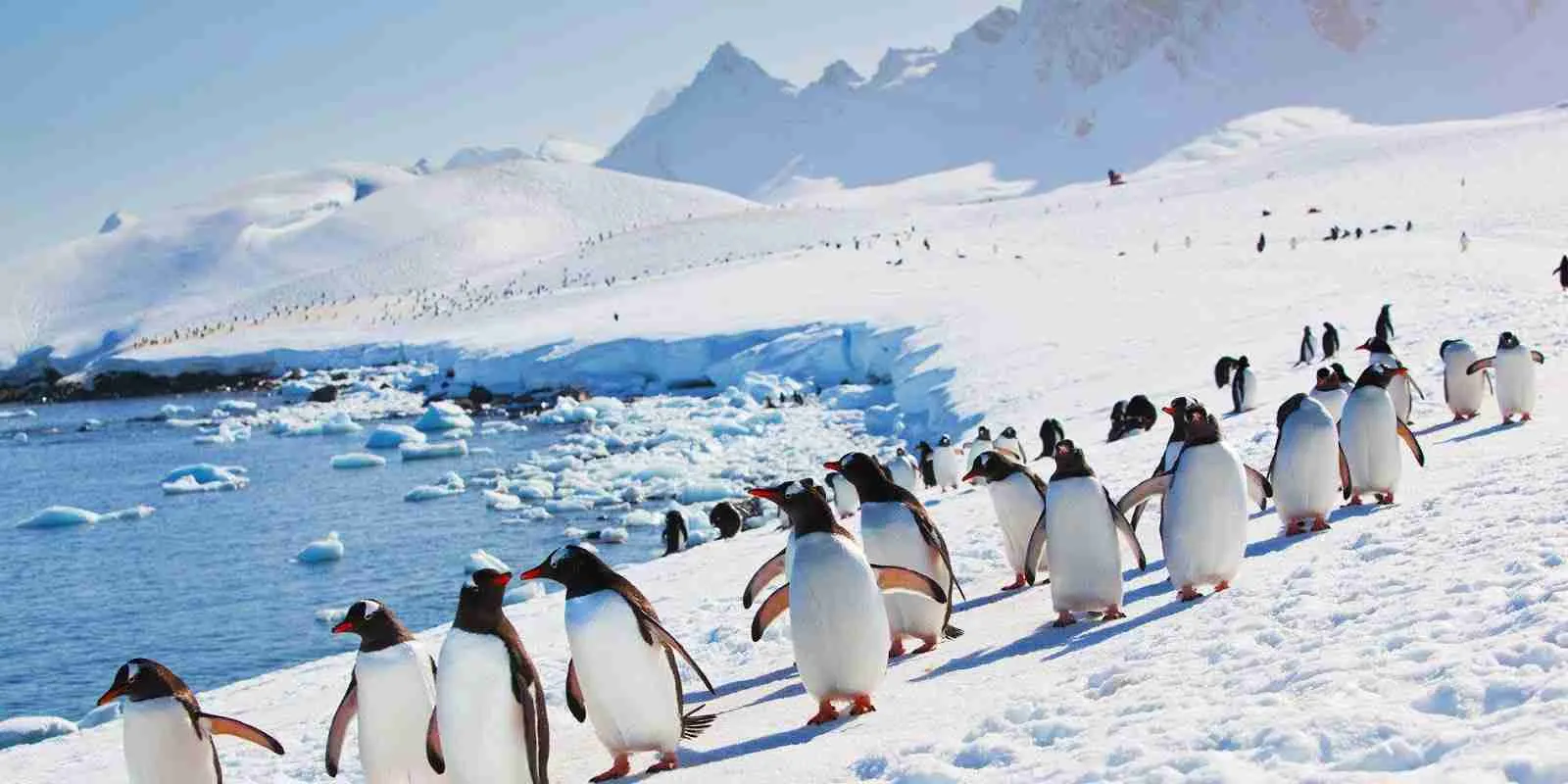 Why Are There No Penguins In The North Pole | Detroit Chinatown
But don’t just memorize the answer—learn the ecological story. The Arctic is an ocean surrounded by land; the Antarctic is a continent surrounded by ocean. Penguins needed flightless, insulated bodies to survive on ice sheets without land predators—and the Arctic had polar bears, which would have eaten them into extinction. That’s why nature never placed them together. This isn’t a flaw in the system; it’s a brilliant adaptation. When you understand the why, the myth becomes a lesson in evolution, geography, and climate science all at once. For communities, promoting this kind of integrated thinking can turn a simple question into a gateway for environmental literacy—especially for kids who love animals.
Let’s end on a positive note: the fact that penguins do not live at the North Pole is actually good news. It means both poles host unique, irreplaceable ecosystems. The Arctic has its own incredible creatures—like the narwhal and the snowy owl—that depend on the ice in ways penguins never could. And penguins, with their clumsy charm, get to thrive in the cold without worrying about polar bear attacks. So next time someone asks, “Are there penguins in the North Pole?” you can smile, say “No, and that’s wonderful,” and share a little piece of how beautifully different our planet really is. That clarity makes us smarter travelers, better parents, and more curious humans. And honestly, isn’t that the whole point of asking?