Are There Grizzly Bears In Tennessee

Welcome, wildlife enthusiasts and curious Tennesseans! Have you ever been hiking through the Great Smoky Mountains, heard a twig snap behind you, and wondered, "Could that be...

Welcome, wildlife enthusiasts and curious Tennesseans! Have you ever been hiking through the Great Smoky Mountains, heard a twig snap behind you, and wondered, "Could that be a grizzly bear?" It’s a thrilling thought, isn’t it? This article isn’t just a dry fact-check; it’s your friendly guide to understanding the real bear story in Tennessee. By the end, you’ll not only know the straightforward answer, but you’ll also gain practical tips for staying safe and recognizing who truly rules the woods in the Volunteer State. The advantage here is simple: you’ll hike with confidence, impress your friends with bear knowledge, and avoid any embarrassing—or dangerous—mix-ups.
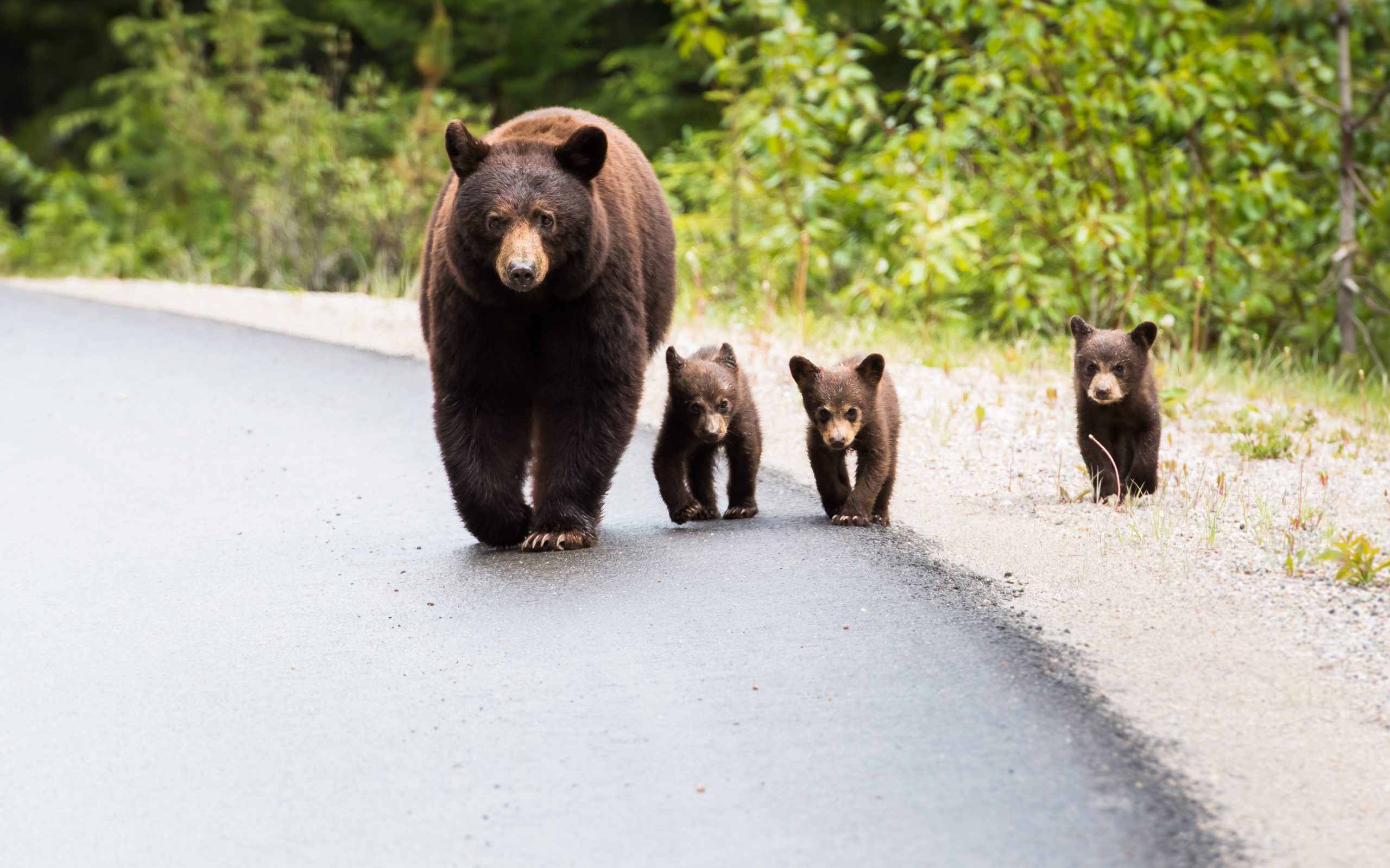
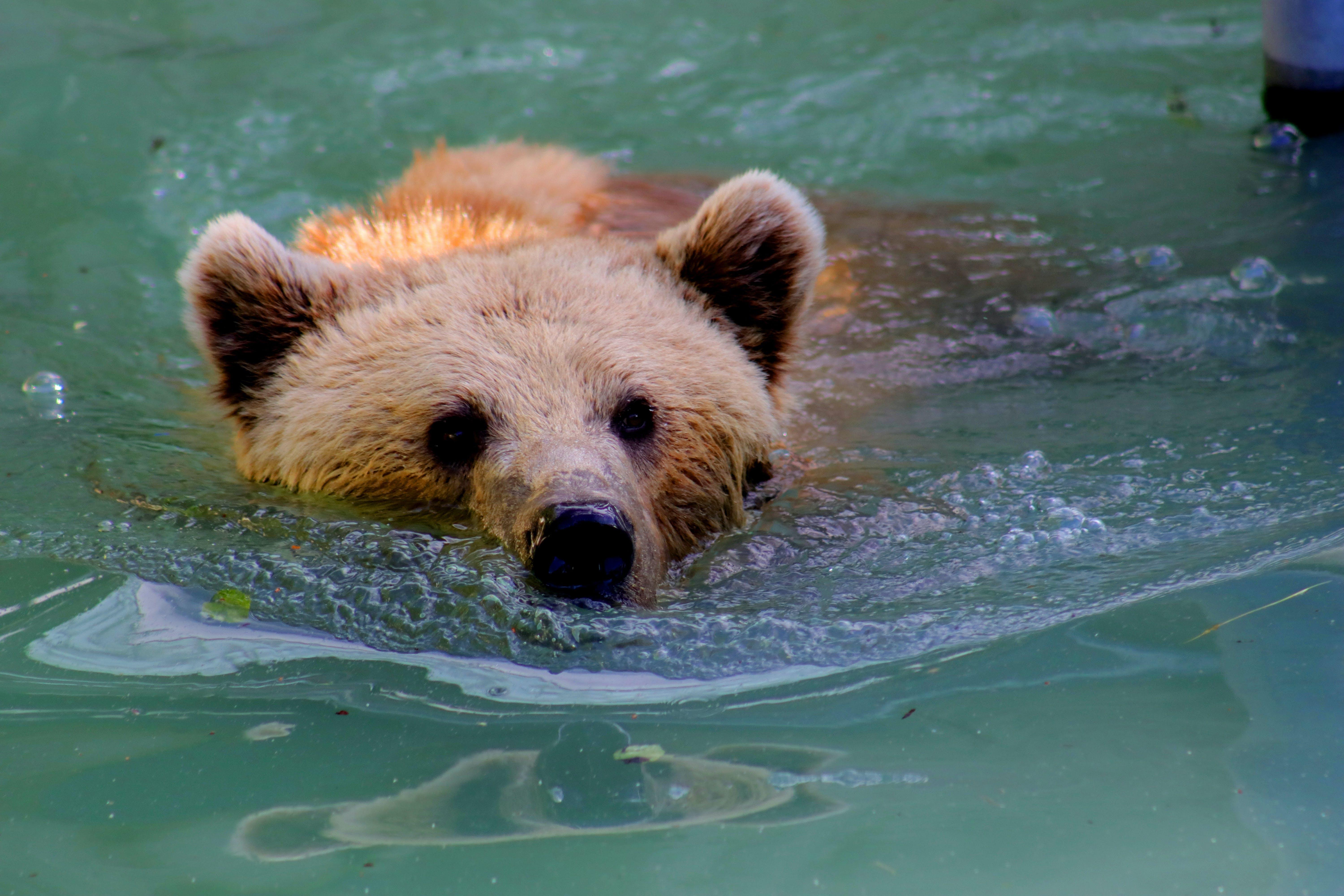
So, let’s tackle the big question head-on: No, there are no wild grizzly bears in Tennessee. Not today, and not for a very long time. Grizzly bears, also known as brown bears, historically roamed across much of the western United States, but their range never extended east of the Mississippi River in significant numbers. The bears you might spot in Tennessee’s forests—especially in the eastern mountains—are black bears. This is a crucial distinction. While a black bear encounter can be startling, grizzlies are a different beast entirely. They are larger, more aggressive when protecting food or cubs, and famously equipped with a prominent shoulder hump. So, if you’re planning a hike in the Smokies, breathe easy: you are not in grizzly territory.
Why does this myth keep popping up? It’s partly thanks to our vivid imaginations and partly due to misidentification. A large black bear, especially one with brown or cinnamon-colored fur, can easily be mistaken for a young grizzly. I once spoke with a park ranger who described a frantic call from a hiker who swore they saw a “huge, hump-backed grizzly” near Clingmans Dome. Turns out, it was a hefty black bear eating berries on a steep slope, which made its shoulders look especially high! Furthermore, escaped captive grizzlies from private zoos or sanctuaries have occasionally been reported—but these are isolated incidents, never a wild, breeding population. So remember: if you see a bear in Tennessee, assume it’s a black bear, and act accordingly.
Must Read
Now, let’s get creative with what is actually here. Did you know that Tennessee’s black bear population is thriving and expanding? Thanks to conservation efforts, an estimated 5,000 to 6,000 black bears live in the state, mostly in the eastern third. This is a conservation success story! Imagine walking a forest trail and seeing the subtle clues: a clawed-up tree trunk (black bears climb trees surprisingly well), fresh scat full of berries, or a worn path through the ferns. Instead of fearing a grizzly, you can practice being a “bear detective.” Look for the round ears, the flat back (no hump), and the straight face profile. It’s like a nature scavenger hunt! The creative payoff? You’ll leave the woods with stories of resilience and adaptation—not of mythical monsters, but of the actual, majestic bears that call Tennessee home.
Practical advice is your best tool for a safe, fun adventure. First, always carry bear spray in bear country—even though it’s black bears, it’s effective and non-lethal. Second, make noise! Clap your hands or talk loudly on trails to avoid surprising a bear. A classic trick is to attach a small bell to your backpack (though some experts debate its effectiveness, it’s still a fun tip!). Third, never feed bears—this includes leaving camp food out. Bears that become habituated to human food are often euthanized. If you encounter a black bear, do not run. Instead, stand your ground, make yourself look big, and back away slowly. If it attacks—which is extremely rare—fight back with rocks, sticks, or your spray. For a grizzly (which doesn’t live here), you would play dead. Knowing the difference could save your life.
 How Many Grizzly Bears Live in Tennessee? - AP PGECET
Beyond safety, embrace the joy of bear-watching from a distance. The best spots in Tennessee include Cades Cove in the Smokies (drive the loop at dawn) and the Cherokee National Forest. Remember the rule of 100 feet: stay at least that far from any bear. Use binoculars or a zoom lens for photos. And here’s a creative twist: start a “Bear Journal.” Record dates, locations, fur color, and behavior. You might notice patterns—like how bears favor certain oak groves in autumn when acorns fall. This isn’t about hunting; it’s about participating in a gentle, scientific observation. Plus, sharing your journal with park rangers can occasionally help with research on black bear movements!
In conclusion, while grizzly bears are not part of Tennessee’s story, the state offers something arguably cooler: a thriving, diverse black bear population living right alongside humans. The advantage of knowing this is freedom—freedom to hike without irrational fear, and freedom to appreciate the real, wild animals that share your backyard. So pack your camera, slip on your boots, and head into the woods. Listen for the rustle of leaves, the snap of a branch. And when you see that dark shape moving among the trees, smile. You’ll know exactly who it is—and who it isn’t. Happy trails!