Are Sardines And Anchovies The Same Fish

Welcome to a delightful dive into the tiny world of sea‑dwelling cyclists! If you’ve ever glanced at a tin labeled “sardines” and wondered whether it’s the same fish as the sa...
Welcome to a delightful dive into the tiny world of sea‑dwelling cyclists! If you’ve ever glanced at a tin labeled “sardines” and wondered whether it’s the same fish as the salty slurp of “anchovies,” you’re in good company. This fun‑filled exploration isn’t just a culinary curiosity—it’s a quick way to become the go‑to expert at family barbecues, impress food‑savvy friends, and even spot the best deals at the grocery store. By the end of this article you’ll know exactly what sets these two iconic fish apart, why that knowledge matters, and how to spot the subtle cues that will guide your next fishy adventure.
The purpose of this piece is simple: to clear up a common mix‑up while giving you practical tools you can use in everyday life. Understanding the distinction between sardines and anchovies boosts your confidence when reading labels, helps you choose the right product for a recipe, and can even save money by preventing you from buying a pricey anchovy when you actually wanted a milder sardine. The advantages go beyond the kitchen—they extend to health benefits, as both fish are packed with omega‑3s, but their flavor profiles and cooking times differ, affecting how you incorporate them into a balanced diet.
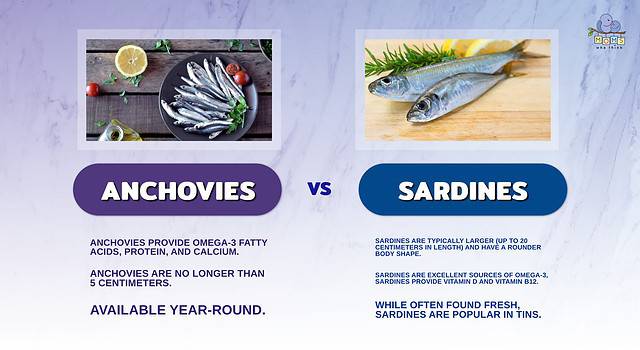
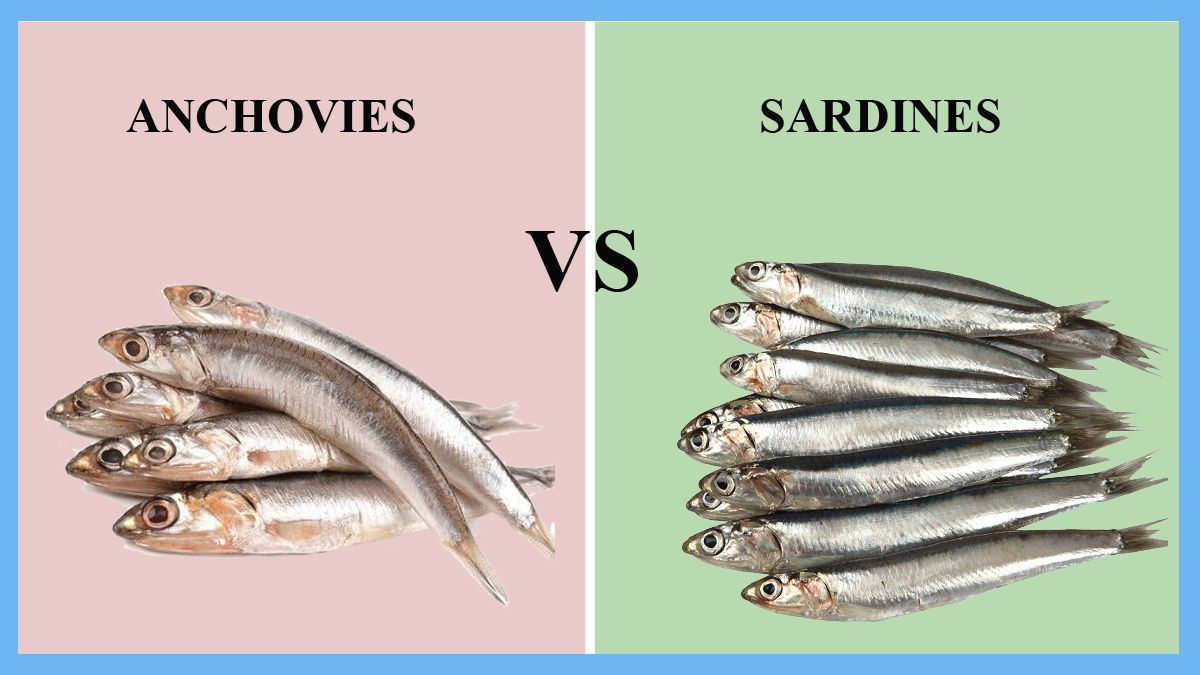
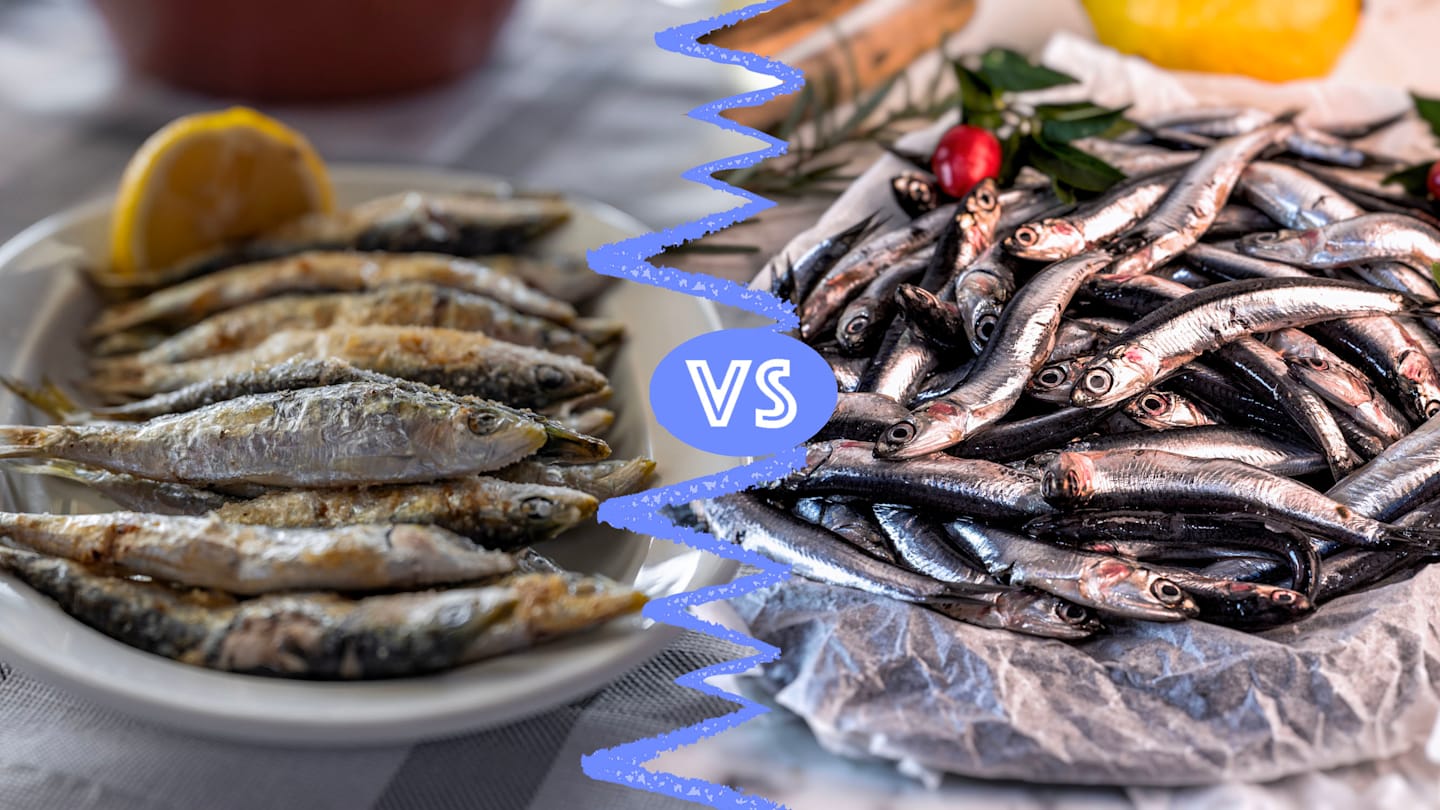
At first glance, sardines and anchovies may look alike: silvery scales, slender bodies, and a reputation for being “small fish,” yet they belong to different families. Sardines are members of the herring family (Clupeidae) and are typically larger—about 7–15 cm—while anchovies belong to the Engraulidae family and are often shorter, around 6–8 cm. In the tin, sardines are usually packed in oil or tomato sauce, preserving their meaty texture, whereas anchovies are commonly cured in salt or oil, giving them an intense, salty bite. Visual cues like the size of the eye and the shape of the jaw also help: sardines have a larger, rounder eye, while anchovies sport a narrower, more pointed eye.
Must Read
Creative culinary ideas bring these differences to life. Imagine a classic sardine sandwich with a slice of crusty bread, a smear of mustard, and a squeeze of lemon—its firm flesh holds up nicely to a bite. Contrast that with a Caesar salad where finely chopped anchovies melt into the dressing, delivering a umami punch without any fishy chunks. Another fun twist is a tapas platter: serve sardines on toast points with a drizzle of olive oil, and beside them place a small bowl of anchovy‑caper relish. These side‑by‑side presentations let you taste the contrast in flavor intensity, turning a simple meal into an interactive tasting experience that guests will talk about long after the plates are cleared.
 Sardines vs. Anchovies: What‘s the Difference?
Here are a few practical tips you can start using right away. First, when shopping, check the label’s fish name—“sardine” or “sardines” will be clearly written, while “anchovy” often appears as “anchovies” or “anchovy fillets.” Second, pay attention to the packing medium: sardines are frequently in oil or tomato, whereas anchovies are usually in salt or oil, affecting their saltiness. Third, for storage, keep sardines in a cool pantry and refrigerate once opened; anchovies are best kept refrigerated because of their higher salt content, which can cause them to dry out if left out. Finally, when cooking, use sardines whole for salads, sandwiches, or grilled dishes, and reserve the finely chopped anchovies for sauces, dressings, or as a flavor booster in simmered dishes.
By knowing the subtle differences, you’ll no longer be caught off‑gaurd by a tin labeled “anchovy” when you expected a milder sardine. This knowledge not only sharpens your palate but also empowers you to make smarter, more flavorful choices in the kitchen. So next time you wander down the canned‑fish aisle, let these insights guide you, and enjoy the delicious showdown between these two charming little fish!