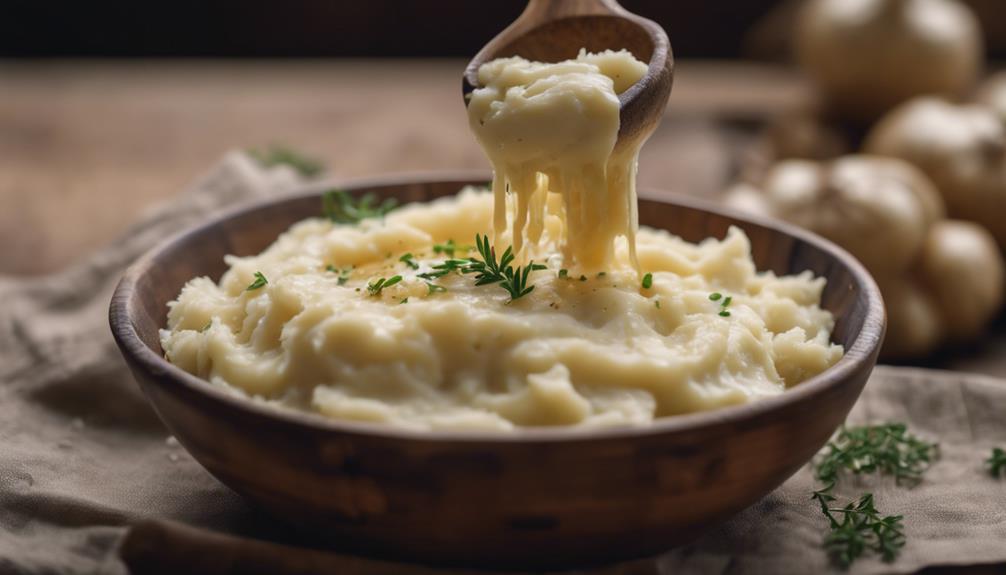
Are Russet Potatoes Good For Mashing

Let’s be honest, there are few things in the culinary world more satisfying than a big bowl of creamy, buttery mashed potatoes. It’s a comfort food staple that brings people t...

Let’s be honest, there are few things in the culinary world more satisfying than a big bowl of creamy, buttery mashed potatoes. It’s a comfort food staple that brings people together, whether it’s for a holiday feast, a cozy Sunday roast, or a simple weeknight dinner where you need something hearty on the table. The great debate, however, often centers on one humble ingredient: the potato. And if you’re asking about russet potatoes specifically, you’ve tapped into a topic that’s both practical and deeply rewarding. These brown-skinned giants are a favorite for a reason, and understanding why can seriously upgrade your mash game.
The main purpose of a good mashed potato is to be fluffy, smooth, and absorbent enough to soak up all that glorious butter and cream. This is where russets truly shine. Unlike waxy potatoes, russets are high in starch and low in moisture. When you cook and mash them, those starch granules swell and break apart easily, creating that light, cloud-like texture we all dream of. For a home cook, this means less work and a more forgiving process. For a busy parent, it means a side dish that comes together quickly without a fuss. And for a chef, it’s the predictable, perfect base for adding any flavor—from roasted garlic to truffle oil.
You’ve probably seen this magic in action without even realizing it. Think of the iconic, stick-to-your-ribs mashed potatoes at a Thanksgiving dinner—chances are, they were made with russets. Or consider the variation of “smashed” potatoes, where boiled russets are lightly crushed with a fork, drizzled with olive oil, and roasted until crispy on the edges. The same high-starch quality that makes them fluffy for mashing also makes them brilliant for creating that crispy-chewy texture. Another common variation is the loaded mashed potato bowl, where russets become a canvas for cheddar, bacon, chives, and sour cream—all of which meld beautifully without turning the mash into a gluey mess.
Must Read
To get started on your own perfect batch, the first actionable tip is don’t overwork the potatoes. Since russets are so starchy, they can become gummy if you mash them too vigorously or for too long. Use a potato masher or a ricer, not a food processor or electric mixer. Boil them whole or in large chunks until a knife slides through easily—this prevents them from absorbing too much water. And always drain them well, then let them steam dry for a minute in the pot before adding any liquid. This little step ensures your mash stays fluffy, not watery.
Another simple tip: warm your butter and milk (or cream) before adding them to the hot potatoes. Cold dairy can shock the starches and lead to a dense, gluey texture. Heat them gently in a saucepan, then pour them in slowly while you mash. For extra flavor, try adding a couple of whole garlic cloves to the boiling water, or swap plain milk for buttermilk for a subtle tang. And don’t be shy with salt—russets need a generous hand to bring out their natural earthiness.
:max_bytes(150000):strip_icc()/mashed-potato-selection-1808051-final-5be47e2d46e0fb00510133cf.png) Choosing the Best Potatoes for Mashing
Choosing the Best Potatoes for Mashing
One common concern is that russets can turn into a sticky paste if you’re not careful. The key is timing. Mash them while they’re still steaming hot, and work quickly. If you let them cool down, the starches start to retrograde, making them gluey. So have your butter melted, your cream warmed, and your seasonings ready. If you’re making them ahead, spread the mash in a baking dish, dot with butter, and reheat in the oven—this preserves that light texture far better than the microwave.
In the end, russet potatoes are not just good for mashing—they are arguably the best for it. Their high starch content and low moisture are a match made in comfort-food heaven. Whether you’re a beginner looking for a fail-safe side dish or a seasoned cook chasing creamy perfection, russets deliver every time. So go ahead, grab a bag, boil some water, and get ready to enjoy the kind of mashed potatoes that make everyone at the table go quiet—except for the occasional hum of approval.