Are Potstickers And Dumplings The Same Thing

There are few culinary pleasures more universally comforting than biting into a warm, savory parcel of dough wrapped around a flavorful filling. Whether enjoyed as a quick app...
There are few culinary pleasures more universally comforting than biting into a warm, savory parcel of dough wrapped around a flavorful filling. Whether enjoyed as a quick appetizer, a satisfying main course, or a late-night snack, these little pockets of deliciousness are beloved across cultures. In homes and restaurants alike, they bring people together over shared meals and dipping sauces. Their key purpose is simple: to deliver a balanced combination of texture, taste, and warmth in a single, portable bite. The benefits for everyday life are undeniable—they can be made in bulk, frozen for later, and customized with almost any ingredient. But as you navigate a menu or scroll through a food blog, you’ve likely asked yourself: Are potstickers and dumplings the same thing? The answer may surprise you, as it reveals a fascinating world of regional variation and cooking technique.
To answer this question, we must first understand the umbrella term. Dumpling is a broad category that encompasses countless variations across the globe. Technically, a dumpling is any piece of dough—whether unleavened, leavened, or filled—that is cooked by steaming, boiling, frying, or baking. From Japanese gyoza to Polish pierogi, from Chinese jiaozi to Italian ravioli, dumplings are defined by their dough-wrapped nature rather than a single cooking method. So, when someone says, “I love dumplings,” they might be referring to soup-filled xiaolongbao, fluffy bao buns, or delicate wontons. The term is wonderfully inclusive, but it can also be a source of confusion. Potstickers, however, are a specific type of dumpling, and understanding their unique identity requires a closer look at how they are made.
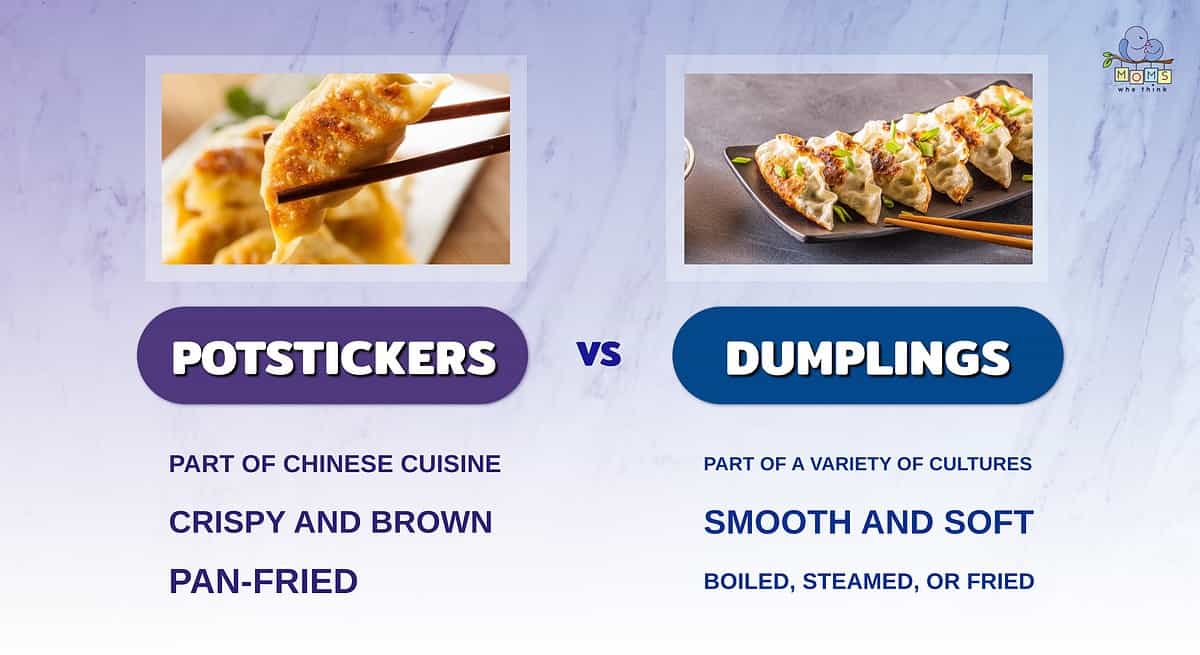
Potstickers, known in Mandarin as guotie, are defined by their signature cooking technique. Unlike boiled or steamed-only dumplings, potstickers are first pan-fried on one side until the bottom is golden and crispy. Then, a small amount of water or broth is added to the pan, which is immediately covered. The steam cooks the dough and the filling through, while the fried bottom remains perfectly crunchy. This dual cooking method—fry then steam—is what gives potstickers their distinctive texture: a satisfying contrast between a tender, juicy top and a caramelized, crisp base. The name itself comes from an old Chinese folk tale: when a chef overcooked his dumplings and they stuck to the pan, he discovered the crispy result was beloved. Thus, the potsticker was born.
Must Read
In contrast, most other dumplings stick to just one cooking method. For example, boiled dumplings (shui jiao) are cooked entirely in water, resulting in a soft, slippery skin. Steamed dumplings are cooked over steam, yielding a delicate, translucent wrapper that is tender all around. There are also deep-fried dumplings, which are crisp entirely on the outside but less common in traditional Chinese cuisine. The key difference, therefore, is not the filling—which is often very similar across these styles—but the texture and cooking process. A potsticker’s dual nature makes it a unique hybrid, offering the best of both worlds: a crunchy bottom and a steamed, juicy top.
To see this in everyday life, imagine two scenarios. Scenario one: you order a basket of steamed shrimp dumplings (har gow) from a dim sum cart. They arrive with a delicate, almost translucent skin, and every bite is uniformly soft and moist. Scenario two: you order a plate of pork and cabbage potstickers. The underside is a deep, burnished brown, and each bite offers a satisfying crunch before yielding to a steaming, savory interior. Both are dumplings, but only one is a potsticker. This distinction matters when you are cooking at home or reading a recipe—the technique determines the outcome. If you boil potstickers, you will lose their signature crunch. If you don’t add water to steamed dumplings, you will miss the crispy bottom.
 Dumplings vs Potstickers: The Distinction Between These Delicious Foods
For readers who want to explore this on their own, here are a few simple tips. First, read the product label carefully: frozen “potstickers” will often specify “pan-fry” or “griddle” on the package, while “dumplings” may be intended for boiling or steaming. Second, try making your own at home using store-bought wrappers. Fill them with a simple mixture of ground meat, ginger, soy sauce, and napa cabbage. Third, practice the potsticker technique: heat oil in a nonstick pan, place the dumplings flat-side down, cook until golden, then add a half-cup of water and cover immediately. Listen for the sizzle as the water evaporates—that is the sound of perfection. Fourth, experiment with dipping sauces: a classic mix of soy sauce, rice vinegar, and a drop of sesame oil pairs beautifully with any dumpling.
Ultimately, the answer to the question is clear: all potstickers are dumplings, but not all dumplings are potstickers. Potstickers are a distinct and beloved subspecies, celebrated for their crispy-steamed contrast. Understanding this difference enriches your culinary knowledge and helps you choose the right preparation for your cravings. So next time you sit down to a warm plate of these savory parcels, take a moment to appreciate the technique that made them what they are—and remember, whether you call them potstickers or dumplings, the joy they bring to the table is universal.

