Are Pomegranates A Fall Fruit

Welcome, fruit fans and seasonal snackers! If you’ve ever found yourself staring at a glossy, crimson pomegranate in the grocery store and wondered, “Is this a fall fruit, or...
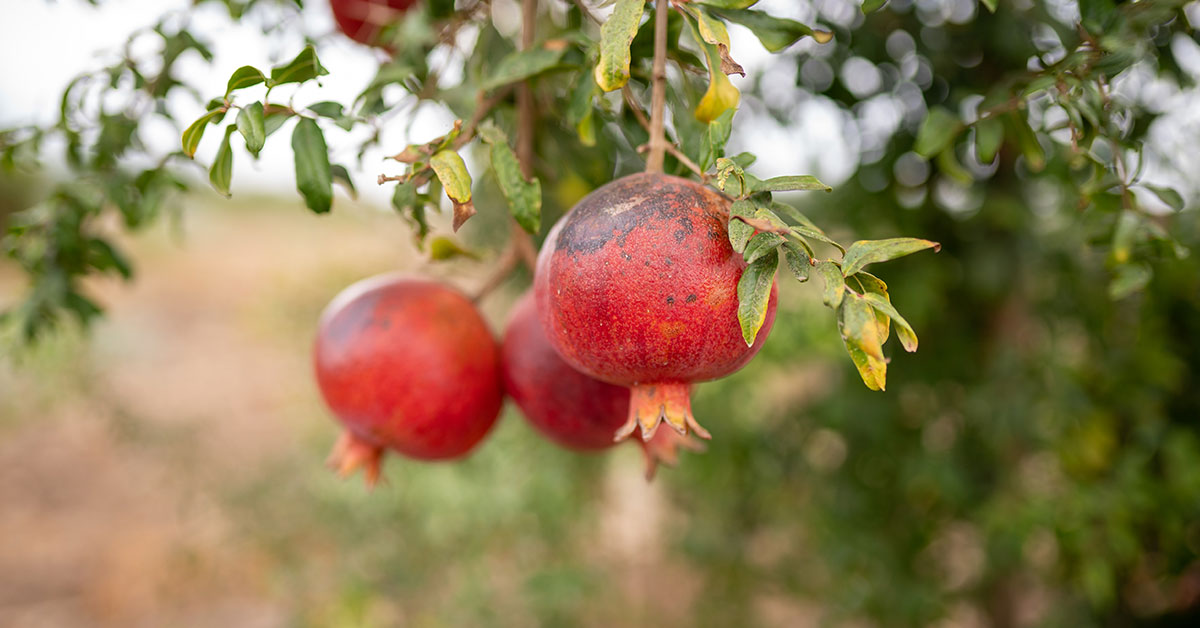
Welcome, fruit fans and seasonal snackers! If you’ve ever found yourself staring at a glossy, crimson pomegranate in the grocery store and wondered, “Is this a fall fruit, or am I just being fooled by its festive color?”—you’re not alone. This is a fun, juicy mystery because pomegranates seem to straddle two seasons. Their deep red jewels feel like autumn’s last fireworks, yet they cling to branches into early winter. Getting to the bottom of this isn’t just trivia—it helps you plan better meals, host smarter parties, and savor the most flavorful fruit at its prime. Let’s crack this seasonal code together, and by the end, you’ll know exactly when to grab a pomegranate for maximum crunch and sweetness.
First, the simple truth: pomegranates are absolutely a fall fruit—but with a twist. In the northern hemisphere, pomegranates typically ripen from September through November, peaking right as the leaves turn gold and the air gets crisp. That places them squarely in autumn’s harvest basket alongside pumpkins, apples, and persimmons. However, because they’re stored exceptionally well in cold conditions, you’ll often find them in markets through December and even January. So while their prime season is fall, their availability extends like a friendly ghost into early winter—making them the perfect bridge between Thanksgiving decorations and New Year’s Eve confetti.
Why does this matter? Because a pomegranate that’s picked in its proper fall window is worlds apart from an off-season import. In fall, the arils (those juicy ruby seeds) are plump, bursting with tart-sweet flavor, and pop with satisfying crunch. If you buy one in March, it’s likely been shipped from a different hemisphere or stored for months—resulting in dry, pale seeds that taste like sad, watery raisins. Fall-grown pomegranates also pack more antioxidants, vitamin C, and that signature deep color. So if you want to impress your guests with a garnish that looks like edible jewels, or simply want a healthy snack that tastes like candy, chase the fall harvest. Your taste buds—and your immune system—will thank you.
Must Read
Let’s get creative with some fall-themed pomegranate ideas. First, imagine a salad that screams autumn: toss baby arugula, roasted butternut squash, crumbled feta, toasted pecans, and a generous handful of fresh pomegranate arils. The arils add a sour-sweet pop that cuts through the squash’s richness—it’s like a symphony of crunchy leaves and cozy flavors. For a drink, try a Pomegranate Apple Cider: mix equal parts apple cider, pomegranate juice, and a splash of sparkling water. Garnish with a cinnamon stick and a few floating arils; it’s perfect for a bonfire night. And don’t forget dessert! Sprinkle arils over vanilla ice cream or dark chocolate mousse—the contrast of cold, creamy, and juicy is a crowd-pleaser at any fall gathering. You can even freeze individual arils on a baking sheet and store them in a zip-top bag for last-minute garnishes all winter long.
Now, some practical advice for picking and using fall pomegranates. When shopping, choose fruits that feel heavy for their size—density means more juice inside. The skin should be firm and taut, with a deep, even red; avoid any with soft spots or cracks. A perfectly ripe pomegranate looks like it’s about to burst with pride. Once home, store them in the fridge—they’ll keep up to two months if kept dry. But here’s the real trick: to open them without making a purple-stained mess, score the crown end, then submerged the whole pomegranate in a bowl of cool water. Break it apart underwater—the arils sink, and the white pith floats. No stains, no stress. Drain the arils, pat them dry, and you’ve got a bowl of autumn magic ready for snacking or cooking.
 7 Fall Fruits for a Perfect Harvest Season
Don’t overlook the cultural and nutritional bonus of fall pomegranates. In many traditions, they symbolize prosperity, fertility, and abundance—perfect for a season of harvest and gratitude. Nutritionally, they’re a superfood powerhouse: one cup of arils contains about 7 grams of fiber, 30% of your daily vitamin C, and antioxidants called punicalagins that fight inflammation. Eating them in fall aligns with your body’s natural craving for warming, immune-boosting foods as the weather turns cold. So while you might see pomegranates year-round at the grocery store, respect the season by making them a star of your autumn table. Your body, your guests, and your taste buds will feel the difference.
In conclusion, yes—pomegranates are undeniably a fall fruit, but they’re also a gift that keeps giving into the early winter twilight. Their peak harvest from September to November delivers the best flavor, texture, and nutritional punch. So go ahead and embrace the season: buy a few pomegranates this week, test out a salad or a sparkly cocktail, and let their ruby-red arils spark joy on a gloomy fall afternoon. They’re nature’s way of saying, “Even as the leaves drop, color and sweetness remain.” Happy autumn munching!

