Are Plums In Season Right Now

Welcome, fruit fanatics and summer snackers! Have you ever stood in the produce aisle, eyed a pile of gorgeous, plump purple orbs, and wondered, “Are plums in season right now...
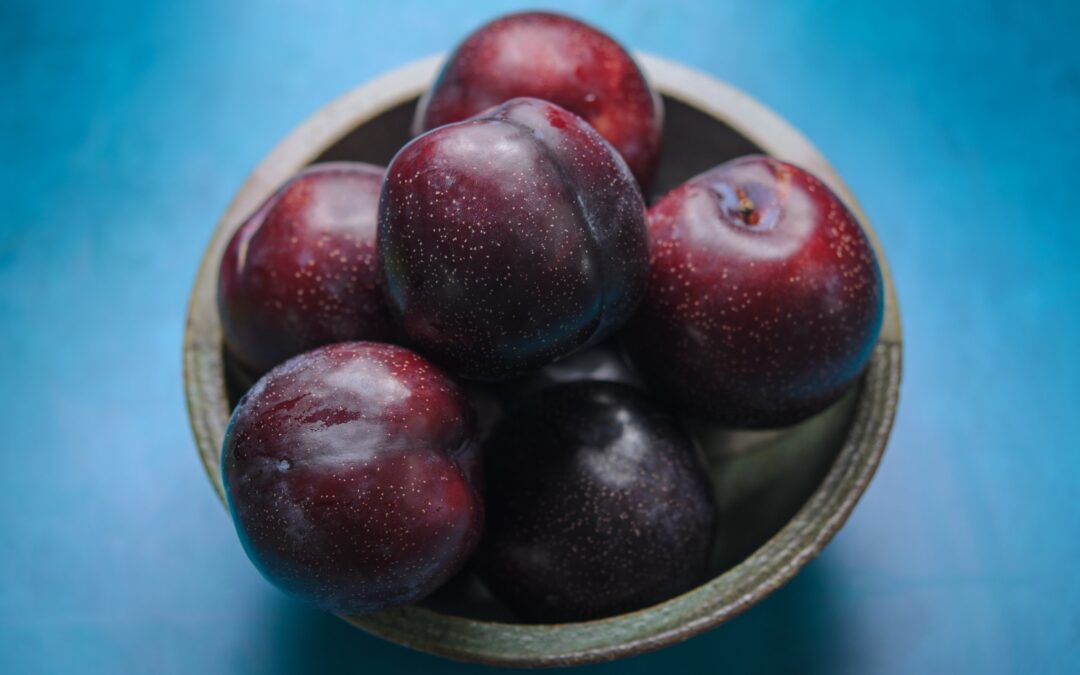
Welcome, fruit fanatics and summer snackers! Have you ever stood in the produce aisle, eyed a pile of gorgeous, plump purple orbs, and wondered, “Are plums in season right now?” It’s a simple question, but the answer unlocks a world of juicy, sweet-tart delight. Knowing when plums are in their prime isn’t just about trivia; it’s about maximizing flavor and getting the best nutritional bang for your buck. When you eat a plum at its peak, you’re not just eating fruit—you’re tasting sunshine, a bit of summer wind, and pure, unadulterated sweetness. This guide is here to help you never miss that perfect moment, turning a simple grocery run into a thrilling seasonal treasure hunt.
The purpose of this article is simple: to arm you with the ultimate, easy-to-remember timeline for plum season. The advantage? You’ll stop buying mealy, underripe, or overpriced imports. By focusing on what’s local and in season, you save money, reduce your carbon footprint, and treat your taste buds to a concert of peak ripeness. Think of it as a cheat code for a better fruit experience. No more wondering if that rock-hard red globe will ever soften—you’ll know exactly when to pounce. Plus, seasonal eating often means you’re getting a higher dose of vitamins and antioxidants, since the fruit hasn’t spent weeks in cold storage. It’s a win for your wallet, your palate, and your health.
Now, let’s dive into the juicy details: are plums in season right now? The most straightforward answer is: yes, they are—if “right now” falls between late May and early October in the Northern Hemisphere. But here’s the fun twist—there are hundreds of varieties that ripen at different times. For instance, the early-summer stars are the yellow-fleshed plums like the Shiro or Methley, which are ready in June. These are super sweet and great for eating out of hand. Then come the classic purple plums, like the Santa Rosa, which hit their stride in July and August—tart skin, honeyed flesh. Finally, the late-season champions, like the Prune plums (Italian plums), ripen in September and October. They’re denser and perfect for baking or drying. So, you see, “in season” is a lovely, moving target, delivering fresh plums for four glorious months.
Must Read
Now let’s get creative with how you can use this seasonal bounty. Imagine a plum and goat cheese crostini for a summer party: slice a firm, ripe plum, top a toasted baguette with creamy cheese, a plum slice, and a drizzle of honey. Pure magic. Or try plum salsa—dice up a few, mix with red onion, jalapeño, cilantro, and a squeeze of lime. It’s a revelation alongside grilled fish or tacos. And don’t overlook plum crumble for dessert: toss chopped plums with a bit of sugar and lemon juice, top with an oat-and-brown-sugar crumble, and bake until bubbly. It’s a delicious way to use any slightly bruised fruits. For a simple, no-cook idea, freeze pitted, sliced plums on a tray—they make refreshing, all-natural popsicles or smoothie booster cubes. The key is to embrace the variety: use sweet plums for snacking, tangier ones for cooking, and soft ones for purees or jams.
Want to become a plum-picking pro? Here’s practical advice for the perfect plum. First, use your nose. A plum that smells sweet and floral is ready to eat. Next, apply gentle pressure near the stem—it should give slightly, like a ripe avocado. Avoid any rock-hard specimens; they’ll likely stay hard and sour. Also, check for a white, powdery bloom on the skin. That’s a natural yeast and wax, not dirt—it’s actually a sign of freshness and minimal handling. Store unripe plums at room temperature in a paper bag to speed ripening. Once ripe, move them to the fridge; they’ll last up to five days. For a real treat, buy a big batch when they’re at their cheapest (typically mid-August), pit and freeze them on baking sheets, then bag them up. You’ll have seasonal joy all winter.
 When Are Plums In Season - Butter N Thyme
If you’re still uncertain about timing, here’s a simple season checker: visit a local farmers’ market. The vendors there are seasonal savants. Ask them, “Are your plums in yet?” Most often, they’ll give you a big smile and a sample. You can also check online for your state or country’s “plum harvest calendar.” In general, early-season plums (May–June) are small, sweet, and delicate. Mid-season ones (July–August) are the classic, bold-flavored gems. Late-season plums (September–October) are often firmer, making them ideal for roasting or poaching. So, if you’re reading this in peak summer, you’re in golden territory. If it’s spring, you’re close! If it’s winter, well, you’ll find imported plums, but they rarely match the flavor of a sun-ripened local one. In that case, turn to frozen plums you stashed away—your past self will thank you.
In the end, whether you’re a plum novice or a seasoned stone-fruit lover, knowing the season transforms your relationship with this fruit. It’s not just about “are plums in season right now?”—it’s about anticipation. You learn to celebrate the first sweet plums of June, the jammy explosion of August, and the hearty clingstones of autumn. You start to plan recipes around them, to share them with friends, and to savor them as a fleeting, precious gift from nature. So next time you see a pile of plums, take a moment. Sniff one, squeeze it gently, and if it’s the right time of year, buy a dozen. You’ll be rewarded with pure, unadulterated joy. Happy plum hunting—your taste buds are in for a spectacular ride.

